We offer a wide collection of free, high-quality printable coloring pages for kids and adults. From cute animals to intricate mandalas, our designs bring creativity and relaxation to everyone. Download, print, and start coloring today!
This collection of 20 unique crab coloring pages offers a delightful journey into the crustacean world, perfect for marine life enthusiasts of all ages. From sandy beaches to vibrant coral reefs, these free printable crab coloring pages provide both entertainment and educational insights into the lives of these fascinating sea creatures.
Our curated collection of crab coloring pages celebrates the diverse roles and environments of crabs. We’ve grouped these designs not by difficulty, but by the educational themes they represent, allowing for a deeper exploration into the world of these ocean inhabitants. Each section offers genuine facts about crabs, practical coloring advice, and specific color suggestions to help bring your sea animal coloring sheets to life.
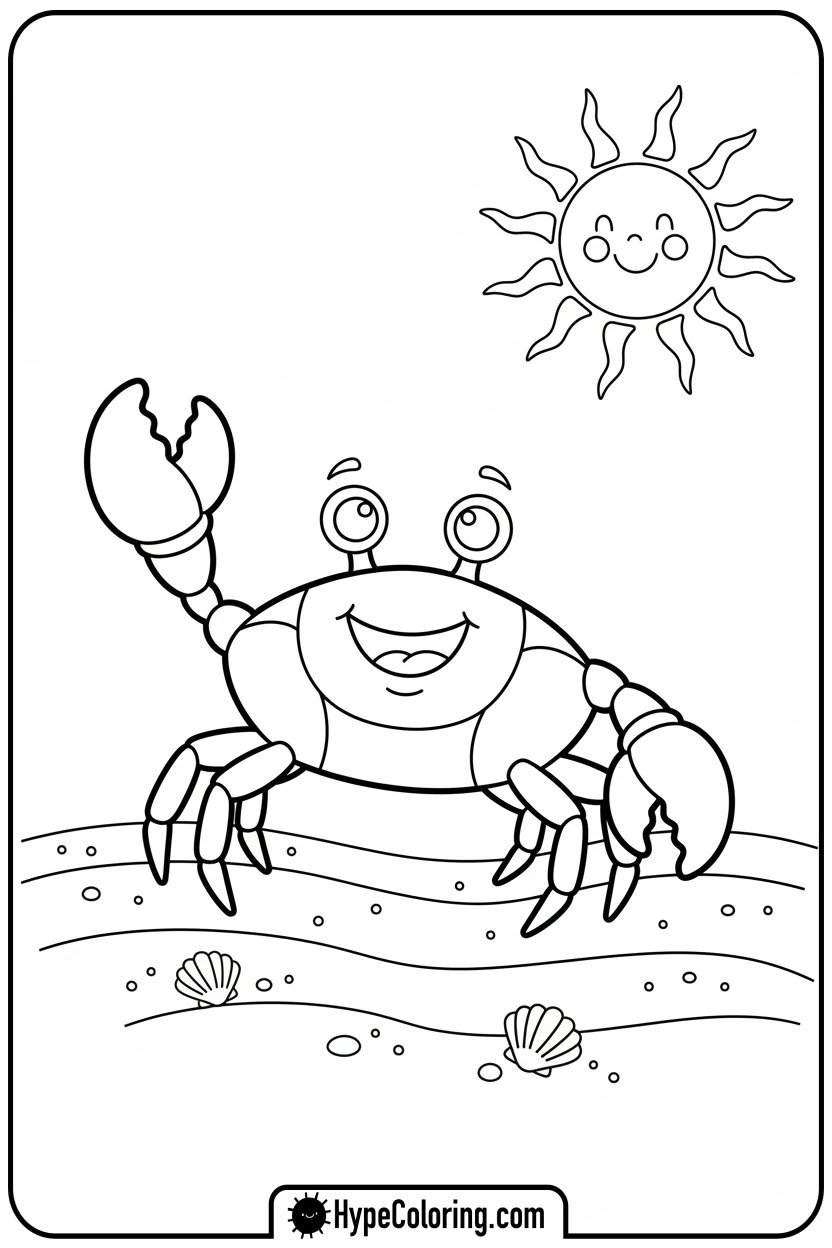
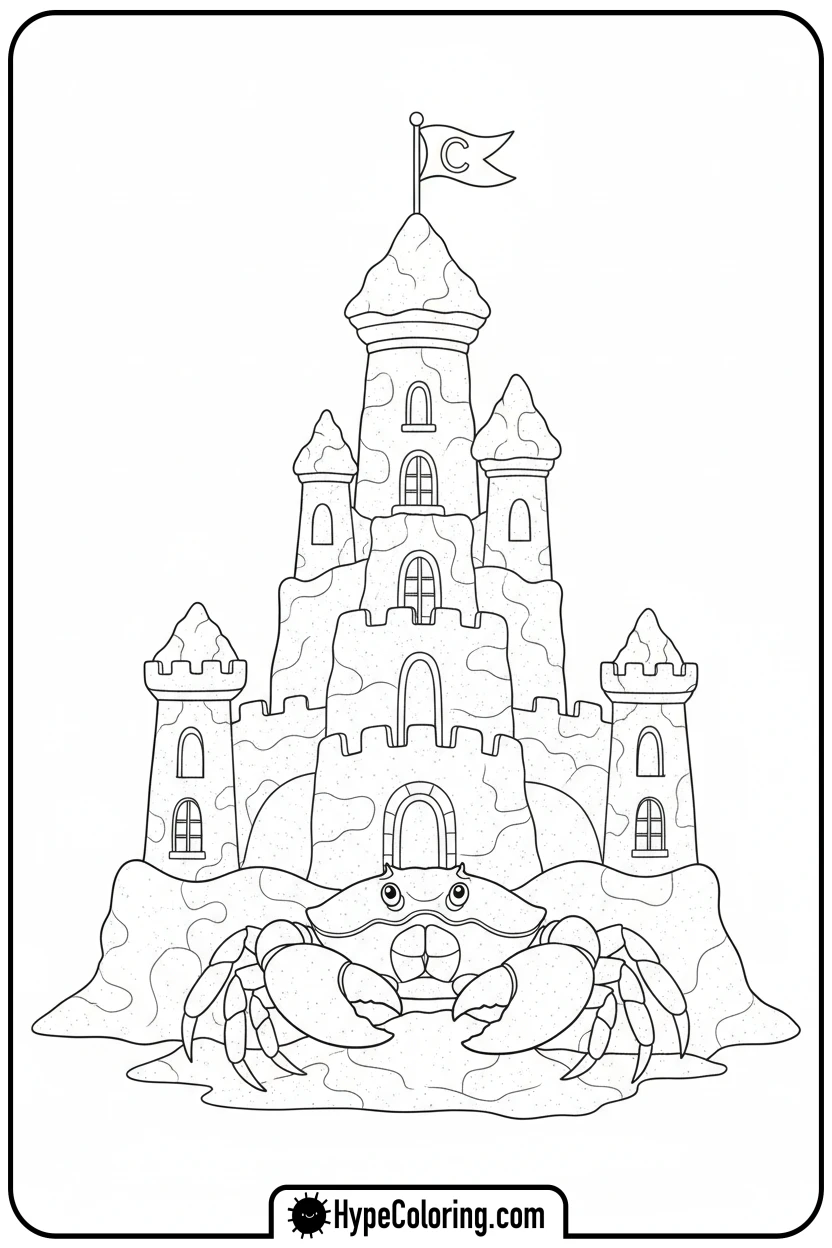
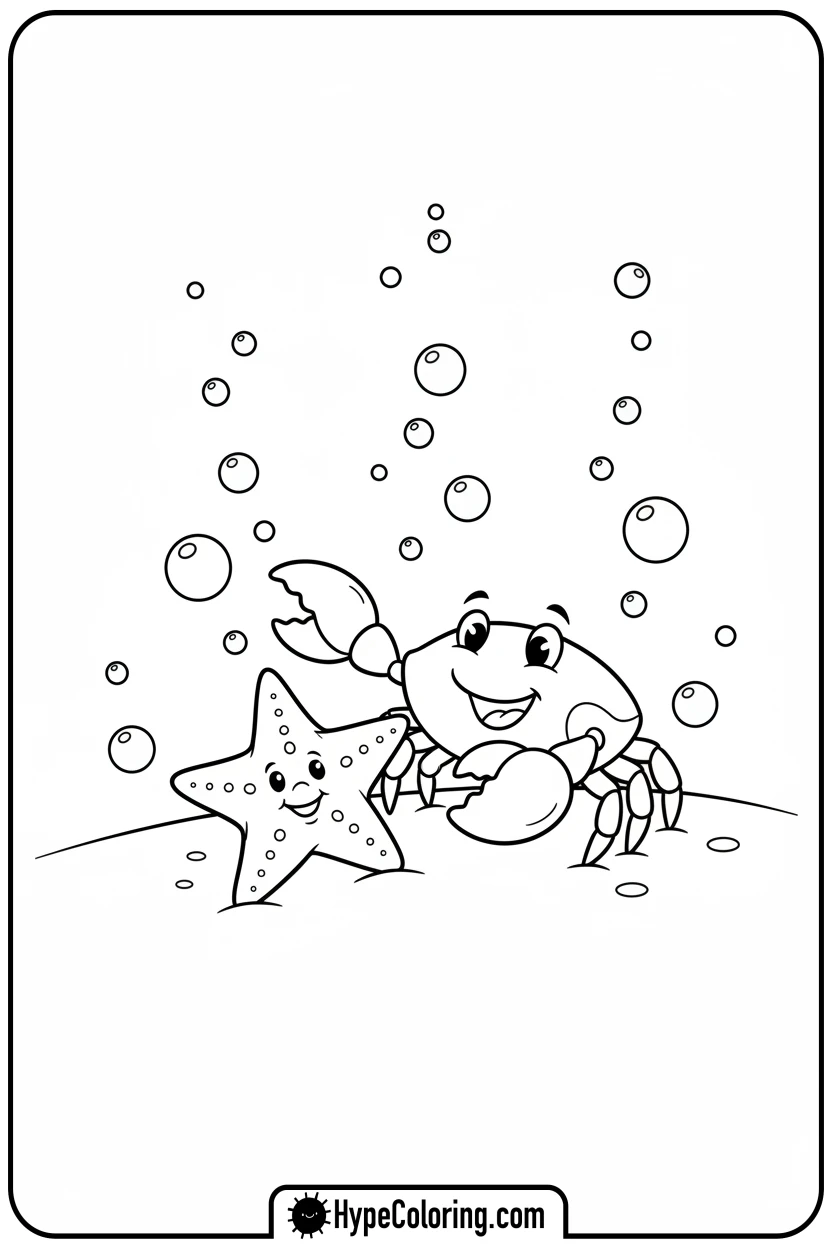
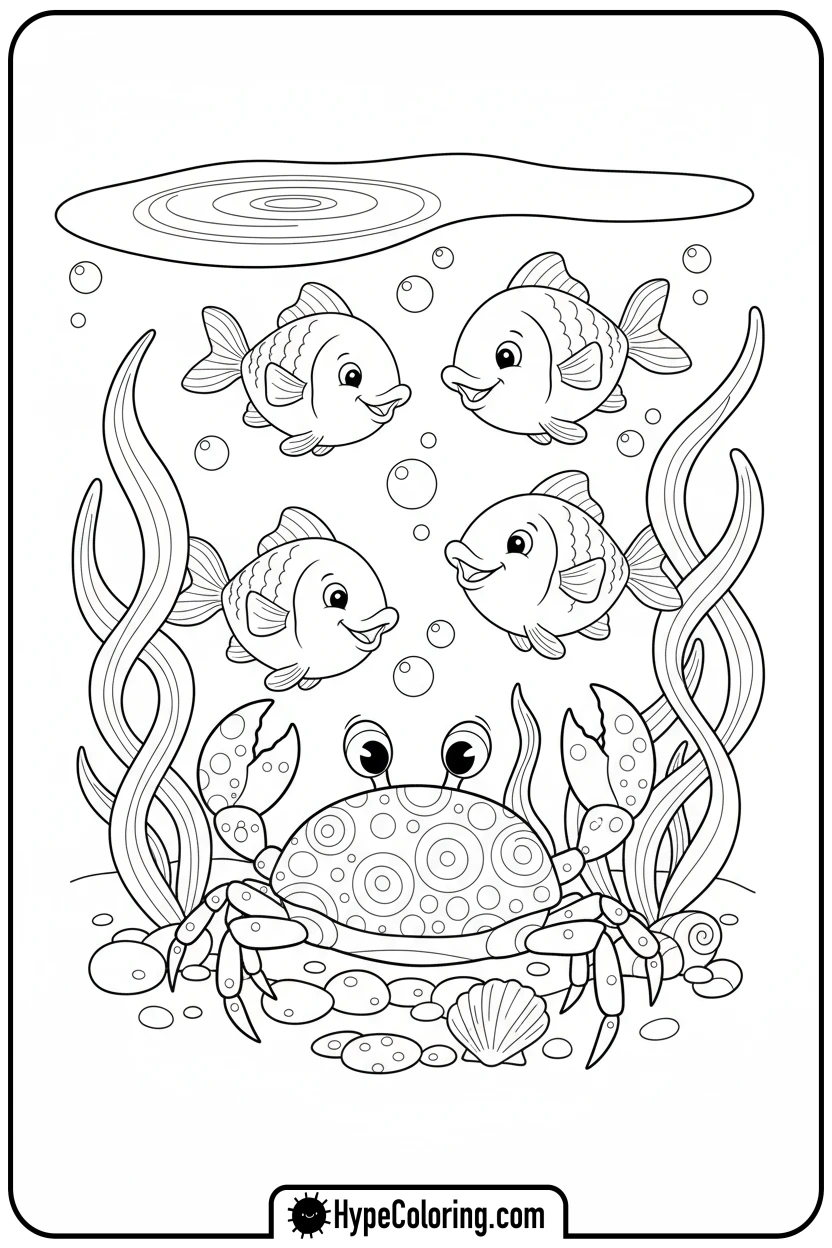
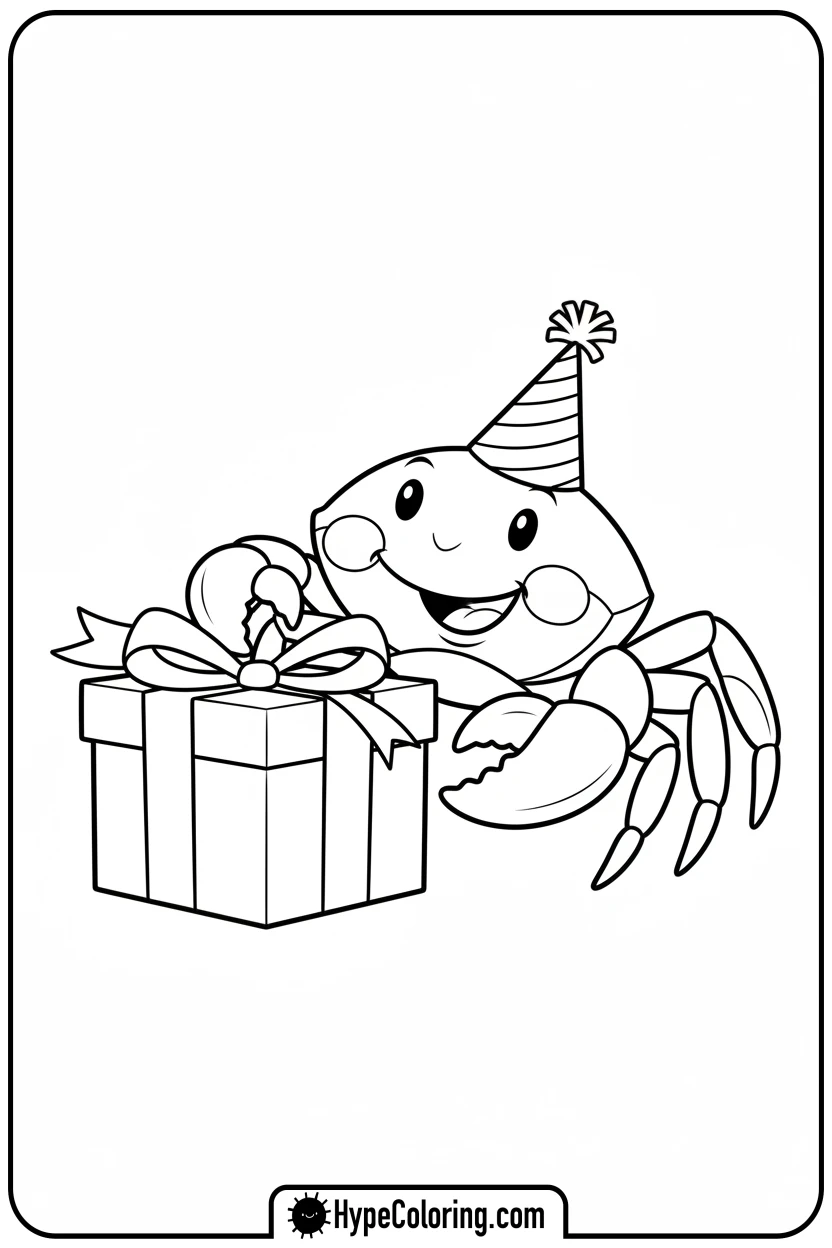
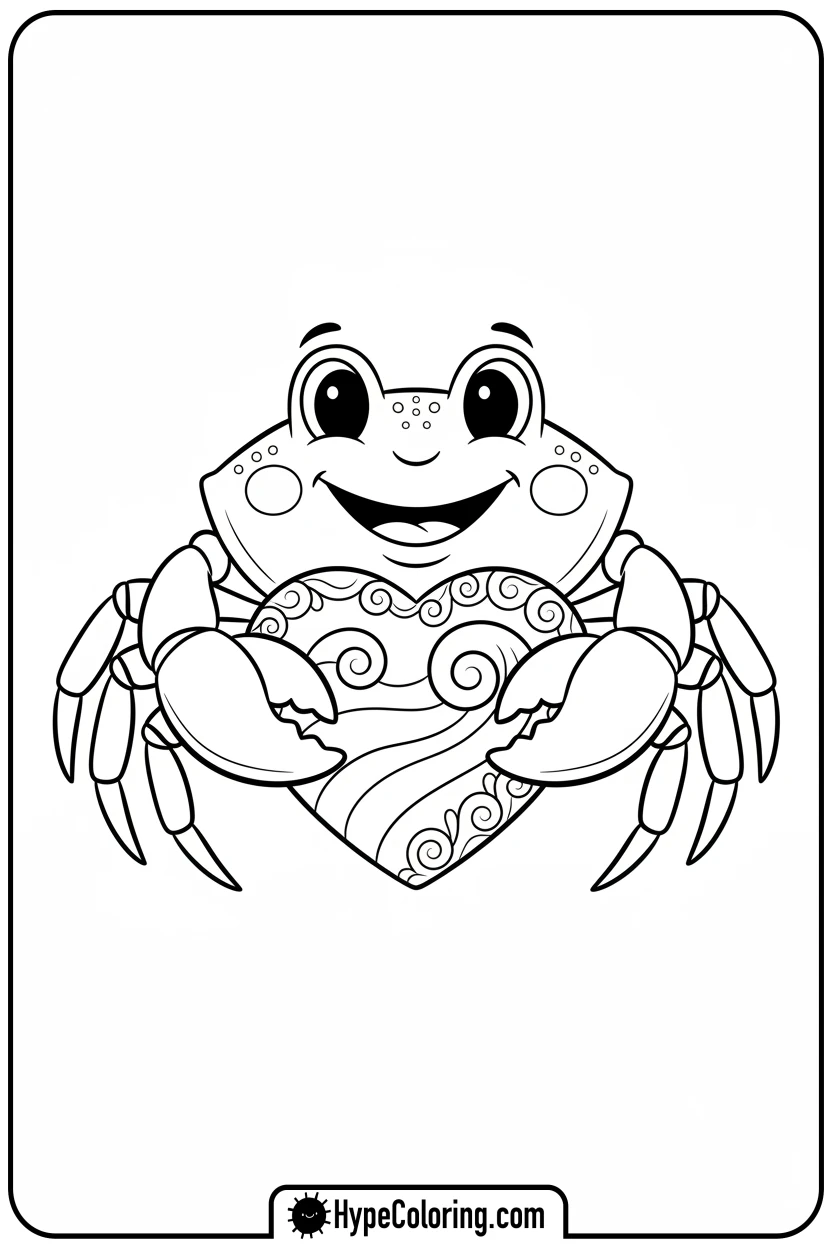
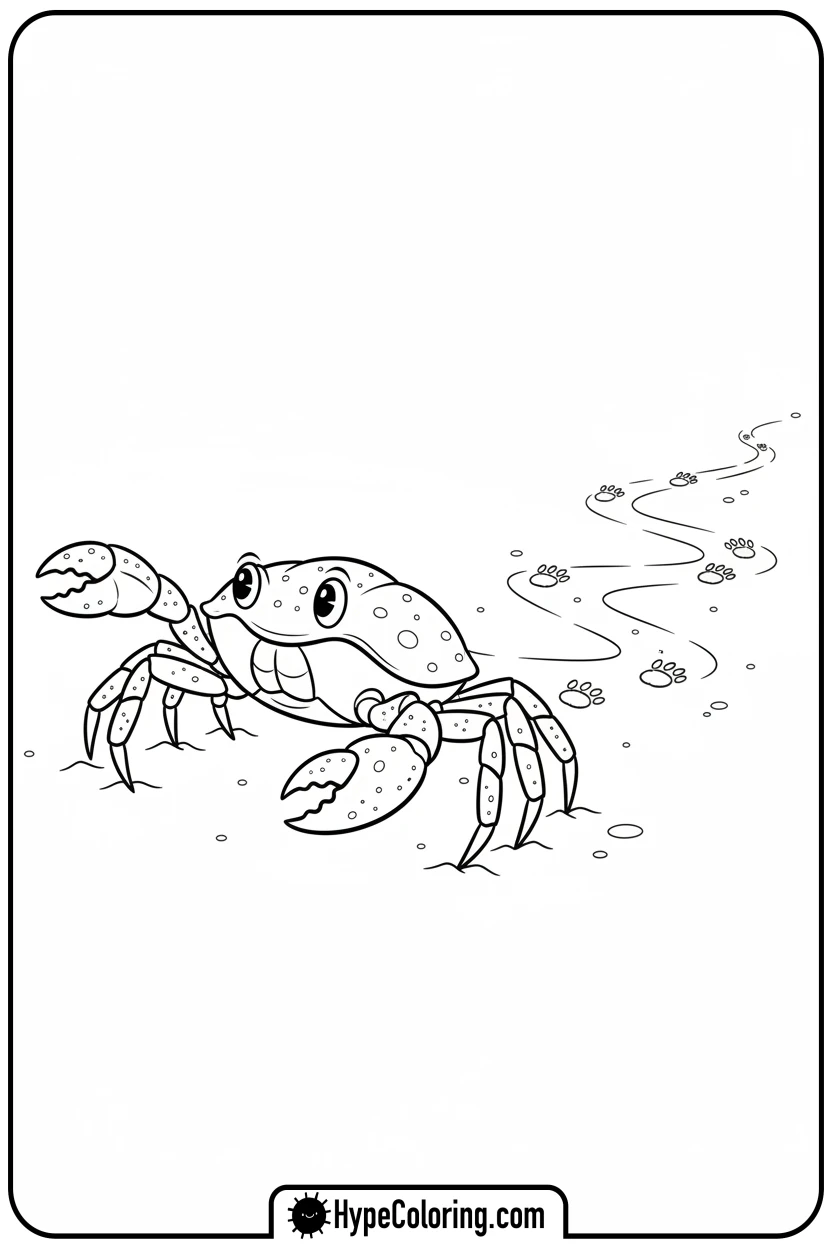
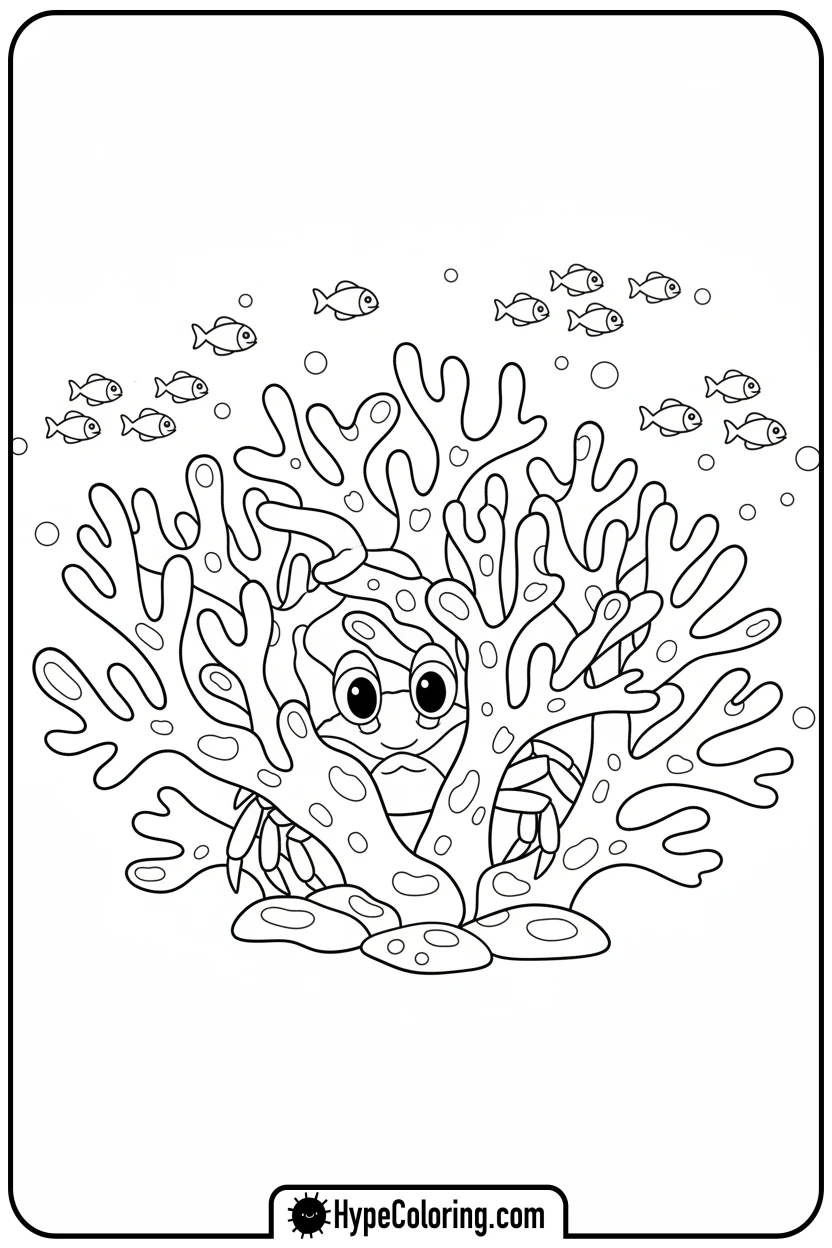
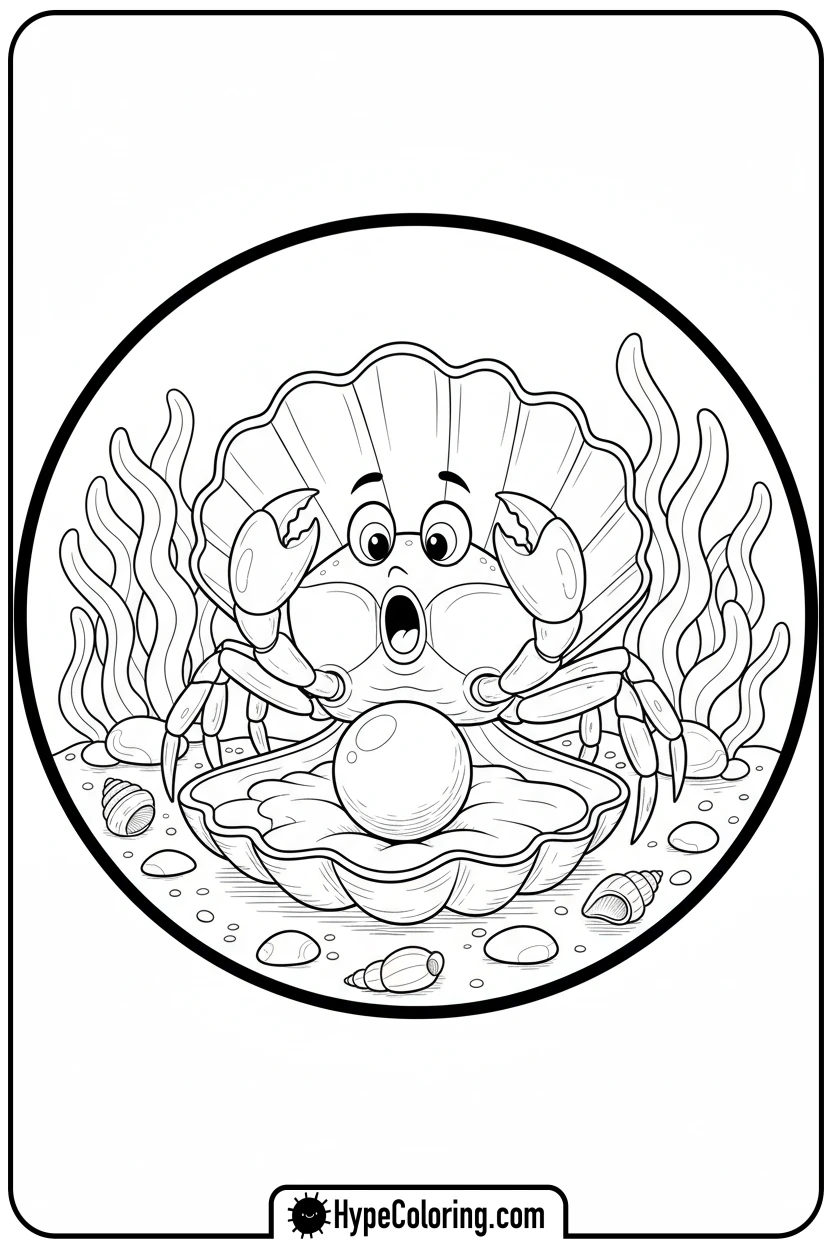
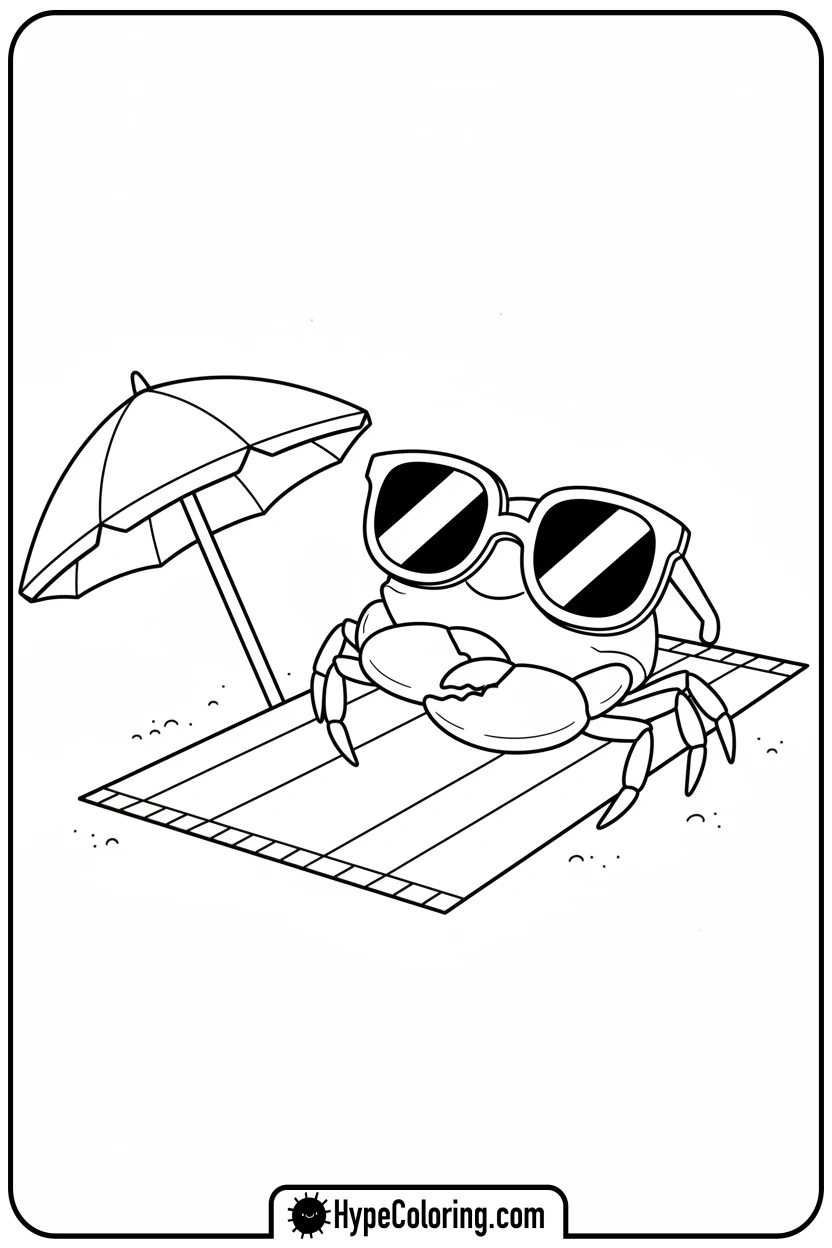
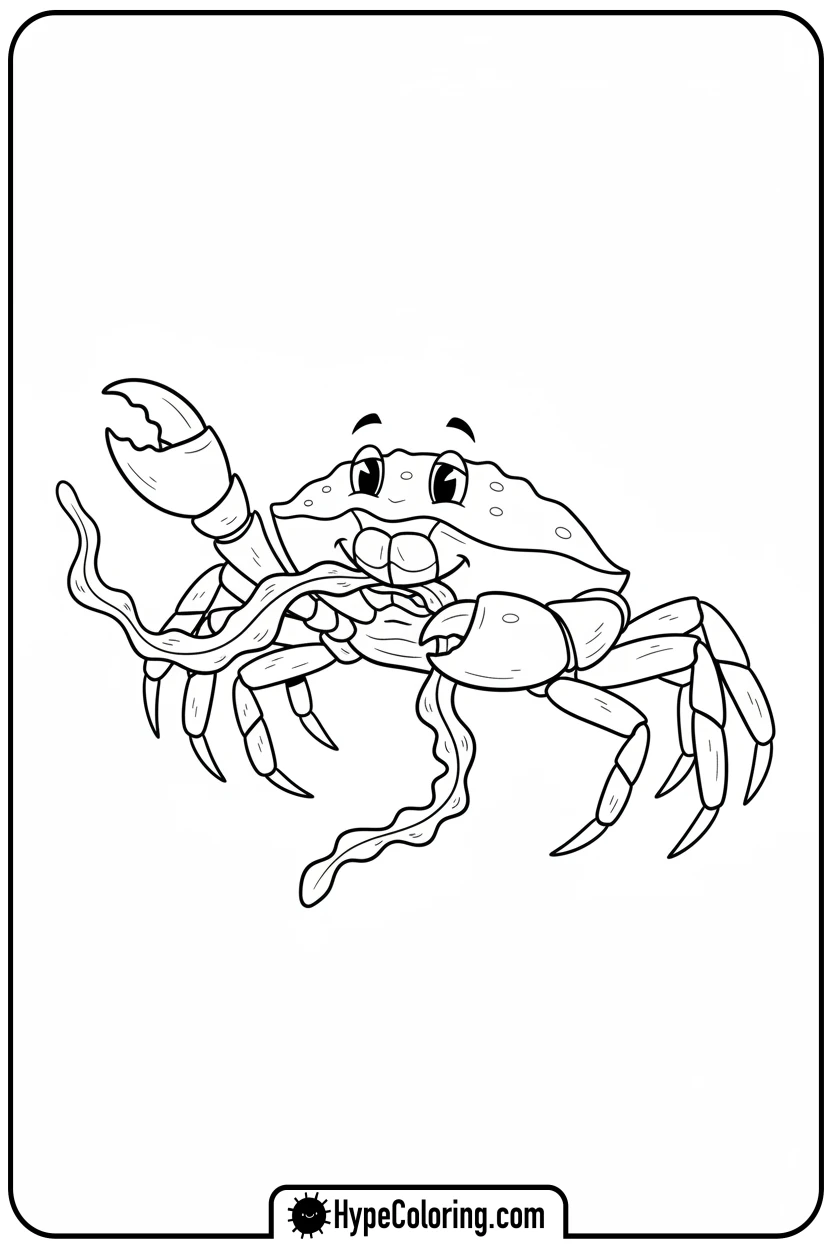
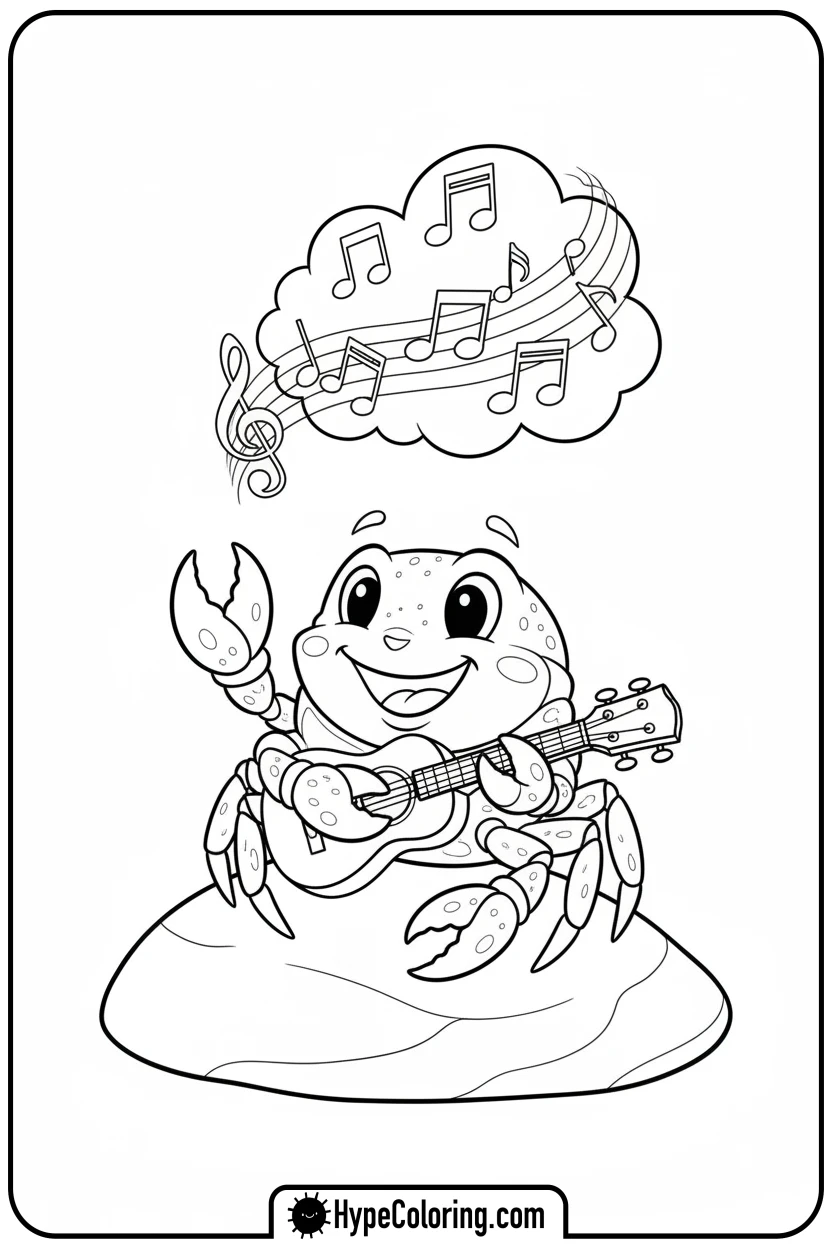
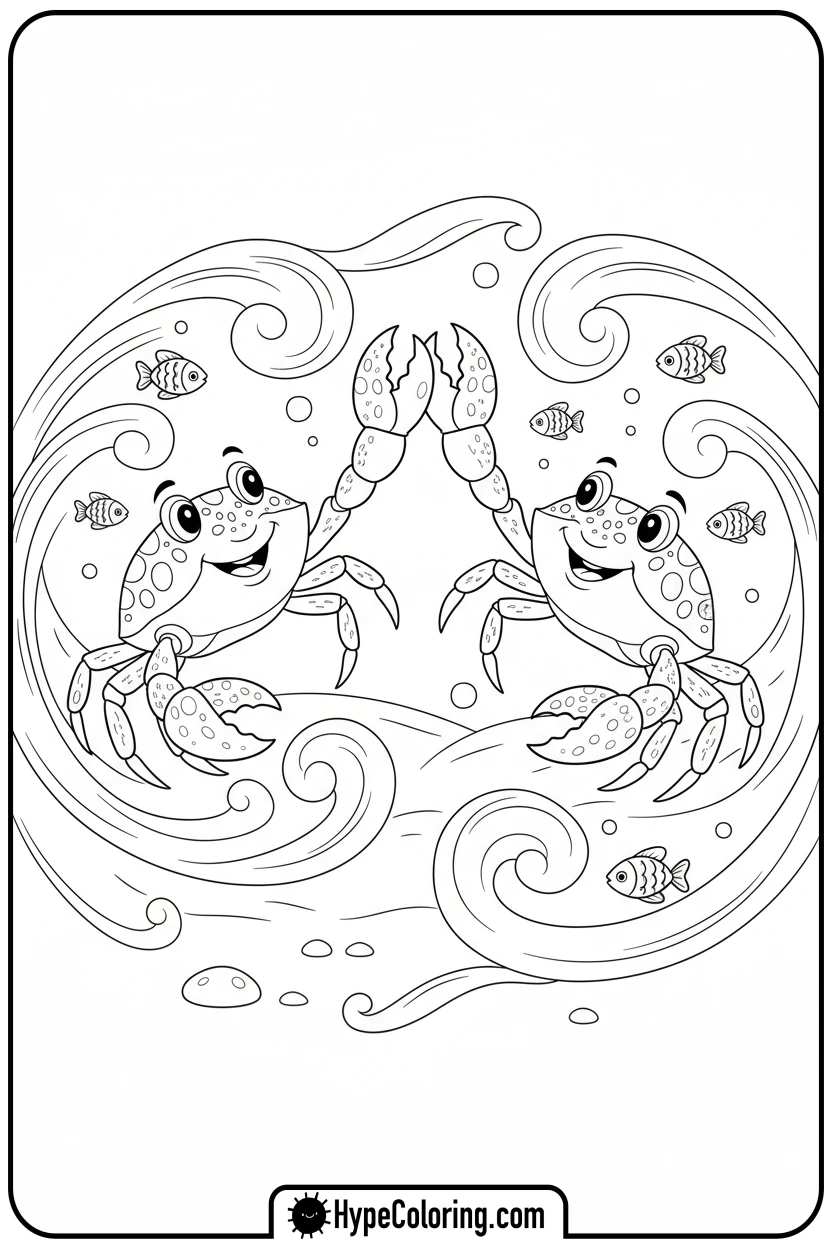
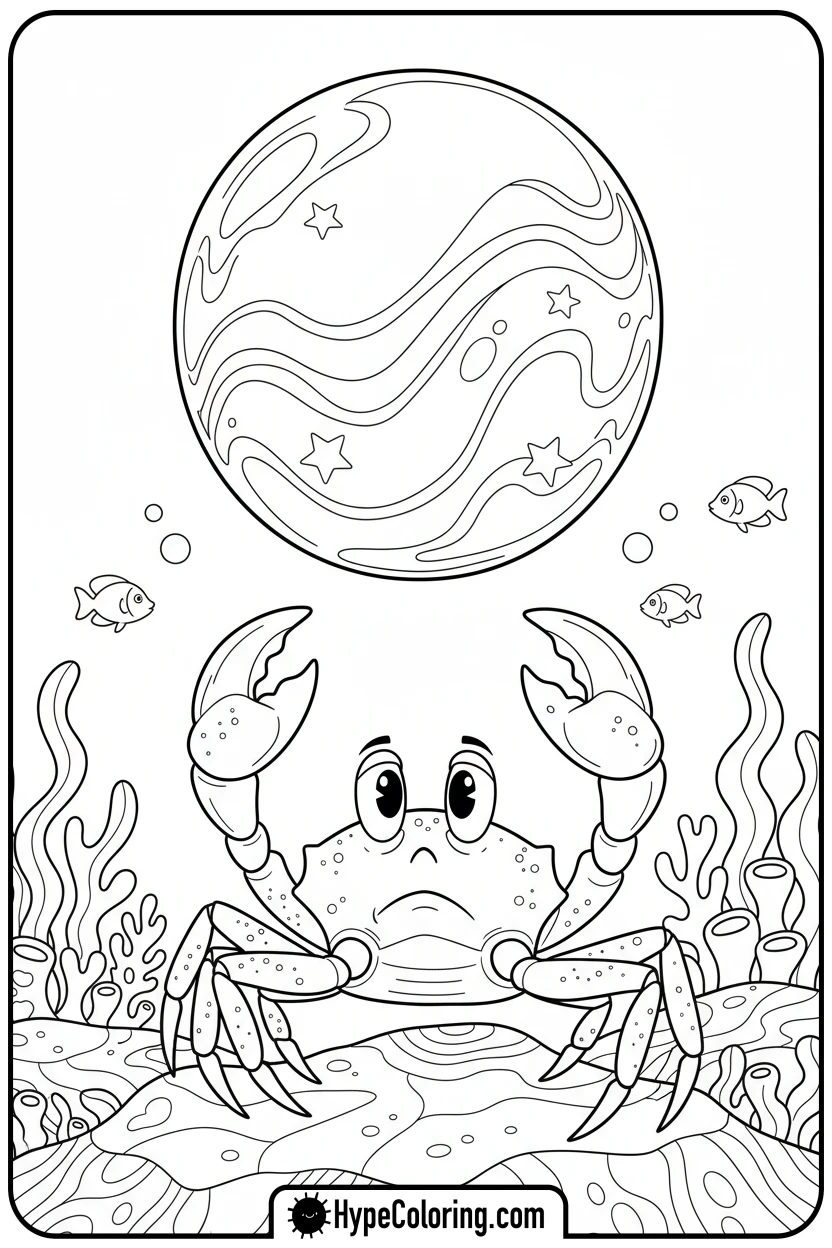
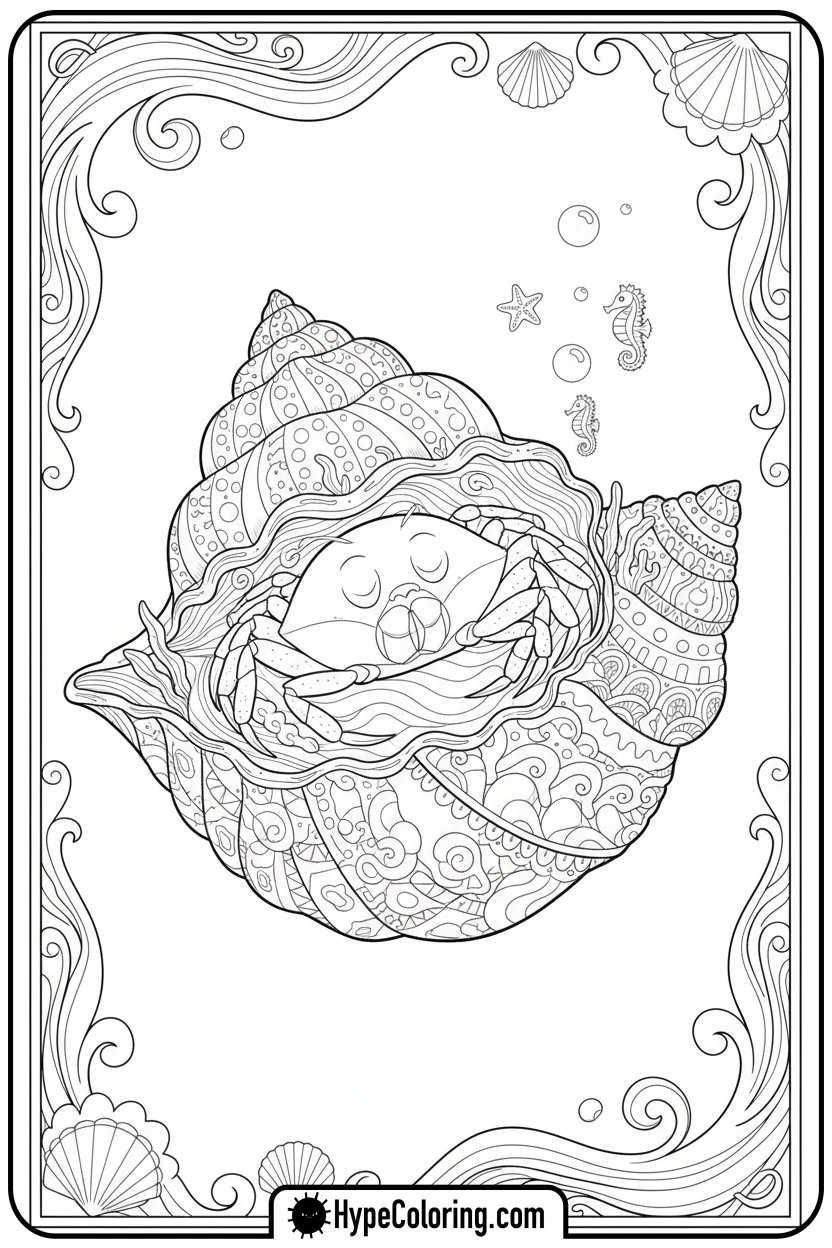
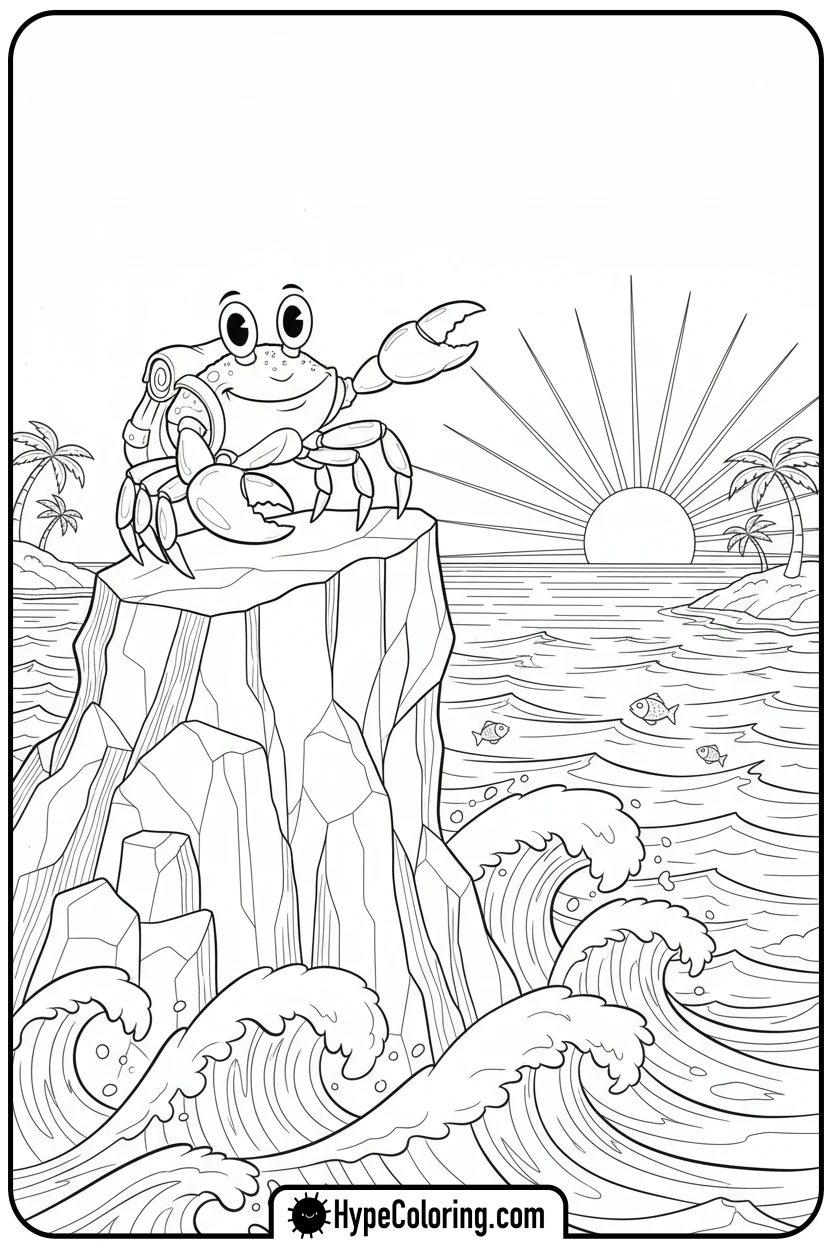
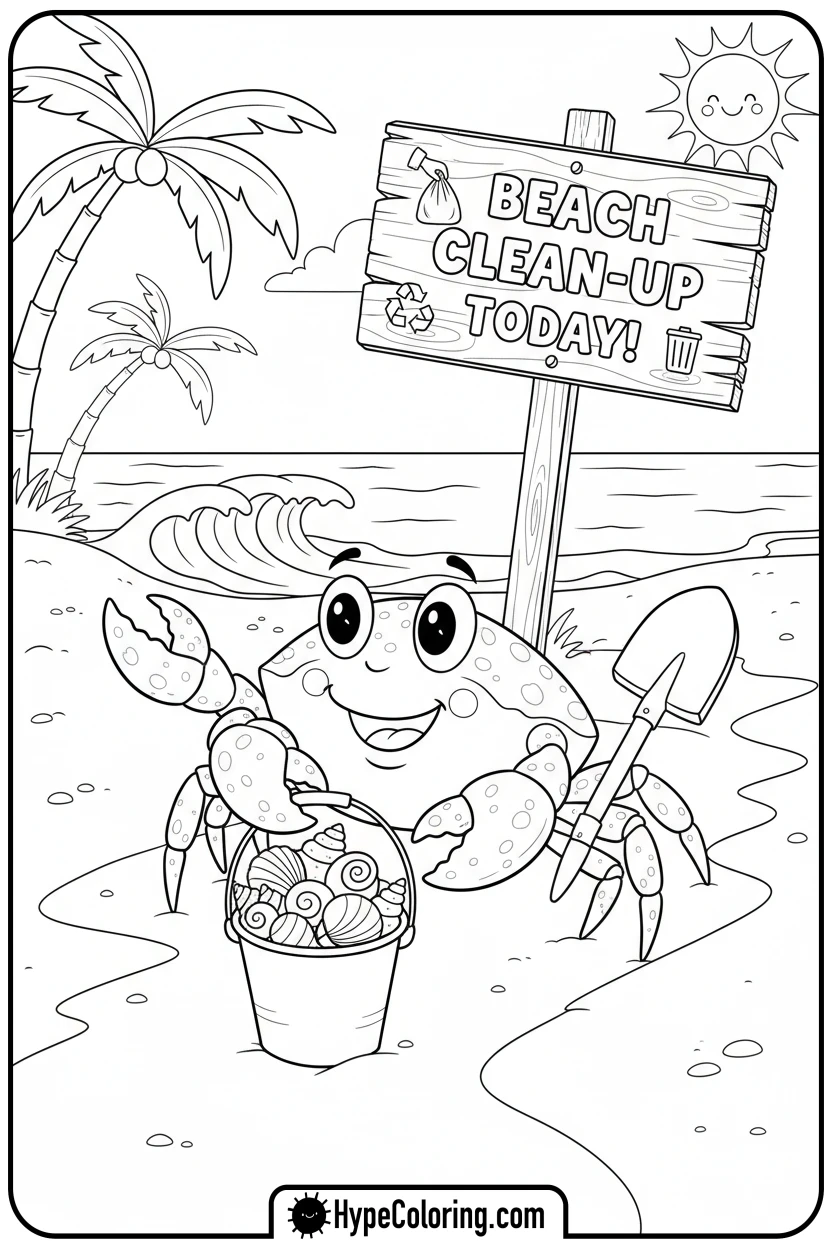
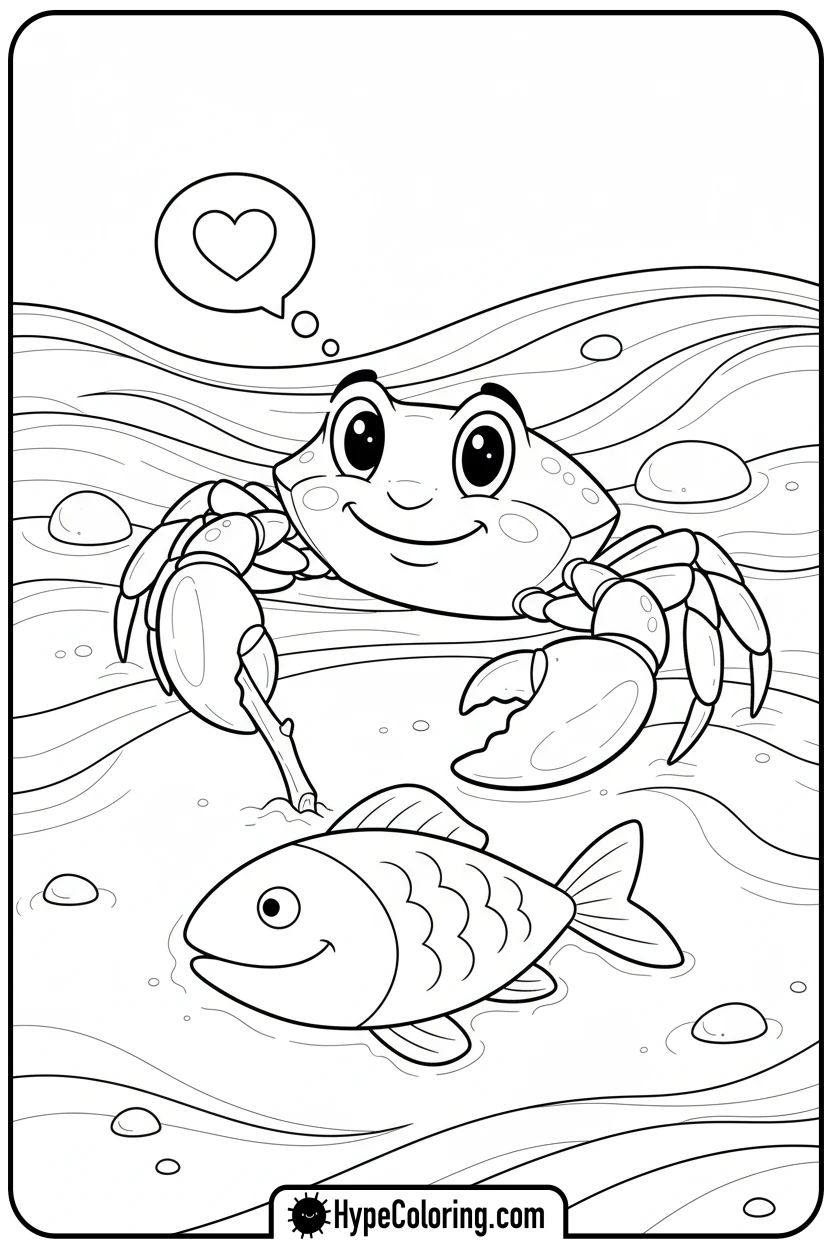
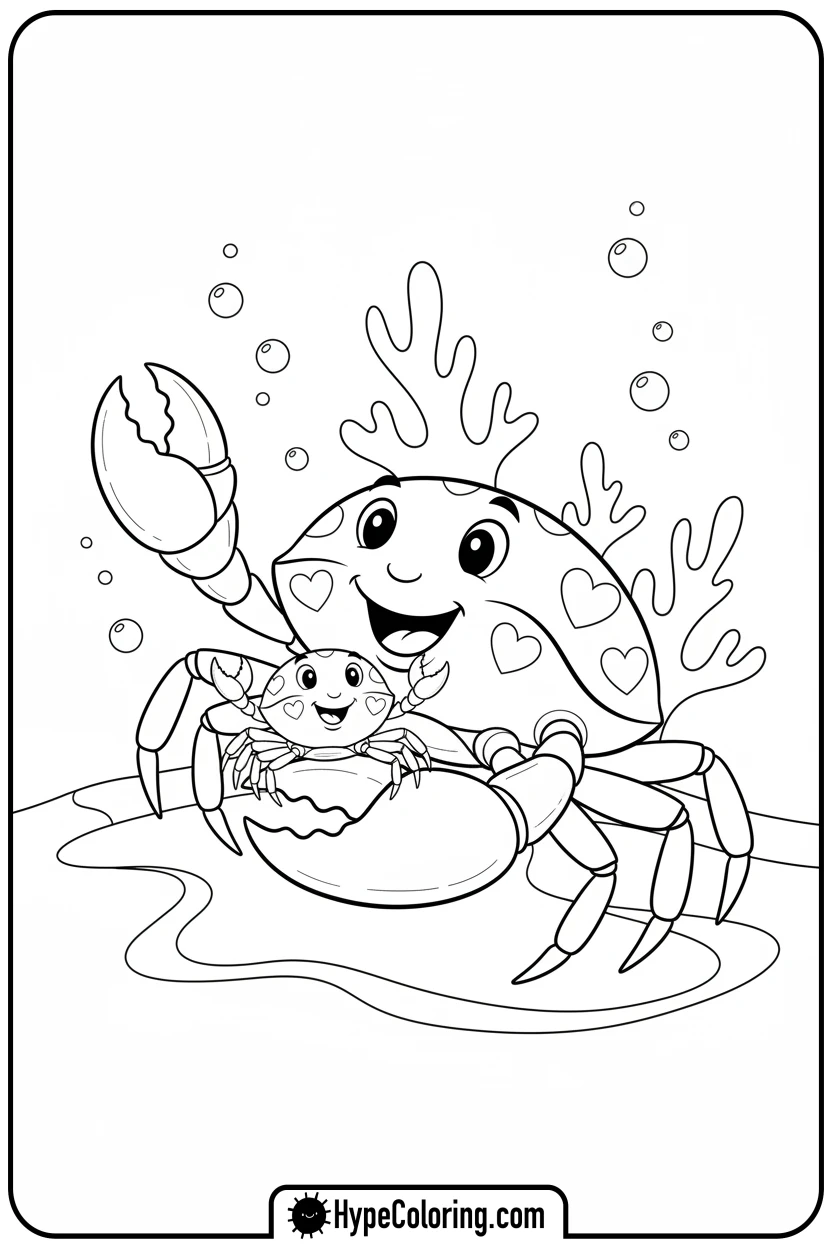
Table of Contents
Crabs in Their Natural Habitat: Exploring the Ocean’s Edge
Crabs are masters of their environment, adapting to everything from the deep sea to the bustling intertidal zone. These printable coloring sheets highlight their natural behaviors and the beauty of their homes.
The Anatomy and Movement of Crabs
Crabs are crustaceans known for their hard exoskeletons, ten legs (including two powerful claws), and unique sideways walk. This outer shell, called a carapace, is made of chitin and provides protection, but crabs must periodically molt, shedding their old shell to grow larger.
For coloring a typical crab, consider a spectrum of reds, oranges, and browns for the carapace, often with darker brown or black accents around the joints and eyes. Their eyes are usually dark black or very dark brown. For the sand in designs like #1 and #7,
use a base of light tan or pale yellow, adding texture with speckles of white and very light brown.
With colored pencils, apply light pressure for the base colors of the crab’s shell, then layer slightly darker shades in circular motions to create the rounded, hard texture of the carapace. For the sand, use short, stippling strokes.
You can find crabs showcasing their natural world in designs #1 (friendly crab on a beach), #4 (exploring a tide pool), #7 (speedy crab scuttling), #11 (hungry crab eating seaweed), #16 (sleepy crab in a conch shell), and #17 (adventurous crab on a rock).
Underwater Worlds and Coral Reefs
Many crabs thrive in the intricate ecosystems of coral reefs and tide pools, finding shelter and food among the colorful marine life. Coral reefs are often called the “rainforests of the sea” due to their incredible biodiversity, offering a vibrant backdrop for curious crabs.
For the coral reef scenes, let your imagination run wild with a palette of bright pinks, vibrant oranges, deep purples, and electric blues for the corals. The water can be a blend of light turquoise, medium blue, and deeper ocean blue for depth. Small fish might be yellow, orange, or silver.
When using markers for these free printable crab coloring pages,
apply bright, solid colors for the coral, allowing some white space between colors to simulate individual polyps. Use a lighter blue marker for the foreground water and a darker blue for the background to create a sense of distance.
Explore these marine habitats in designs #4 (tide pool explorer), #8 (shy crab in coral reef), #9 (surprised crab with a pearl), and #16 (resting in a conch shell). You can learn more about the importance of coral reefs at the National Oceanic and Atmospheric Administration.
Crabs as Social & Nurturing Creatures
While often seen as solitary, crabs engage in various forms of communication and interaction, from territorial displays to parental care. Some species are known for their intricate mating rituals and even protecting their young. This theme highlights the heartwarming side of crab life.
Interactions with Other Sea Life
Crabs often share their environment with other marine creatures, sometimes forming symbiotic relationships or simply coexisting. Starfish, for example, are common inhabitants of the same intertidal zones and ocean floors where crabs forage.
For designs featuring interactions, focus on making the characters distinct yet harmonious. The crab can be a classic deep red-orange, while the starfish in design #3 might be a vibrant magenta or bright orange, with textured light pink or yellow tips.
The water can be a gentle pale blue, with white or light gray for the bubbles.
Using crayons, press firmly for the main bodies of the crab and starfish to achieve rich, solid colors. For the bubbles, use a very light blue or white crayon and apply minimal pressure, outlining them softly with a darker blue to make them appear translucent.
These charming interactions are beautifully depicted in designs #3 (playful crab nudging a starfish) and #14 (two crabs high-fiving underwater).
Parental Love in the Crab World
Many crab species exhibit some form of parental care, particularly the females, who carry their eggs under their abdomen until they hatch. This tender act ensures the survival of the next generation, a testament to the nurturing side of these crustaceans.
For the parent and baby crab scene, emphasize warmth and tenderness. The parent crab could be a warm reddish-brown, with the baby crab a slightly lighter shade, perhaps a soft orange or peach. The background should be muted, perhaps a pale sandy yellow or a soft, faded blue to keep the focus on the loving pair.
For this sensitive scene, markers can be used for smooth, even coverage on the crabs. Use a very fine-tipped marker for the baby crab’s delicate features. For the background,
apply a very light wash of watercolor or dilute a marker to create a soft, ethereal glow.
This touching moment is captured in design #20 (gentle parent crab holding a tiny baby crab), offering a unique perspective on marine life coloring.
Crabs with Human-like Hobbies & Adventures
These crab coloring pages take a more whimsical approach, imagining crabs engaging in activities that mirror human pastimes and adventures. These designs encourage creativity and add a playful dimension to the world of marine life.
Creative & Playful Pastimes
Even in the wild, crabs show remarkable resourcefulness, using natural materials for shelter or tools. These designs extend that creativity into human-like hobbies, from building sandcastles to playing music.
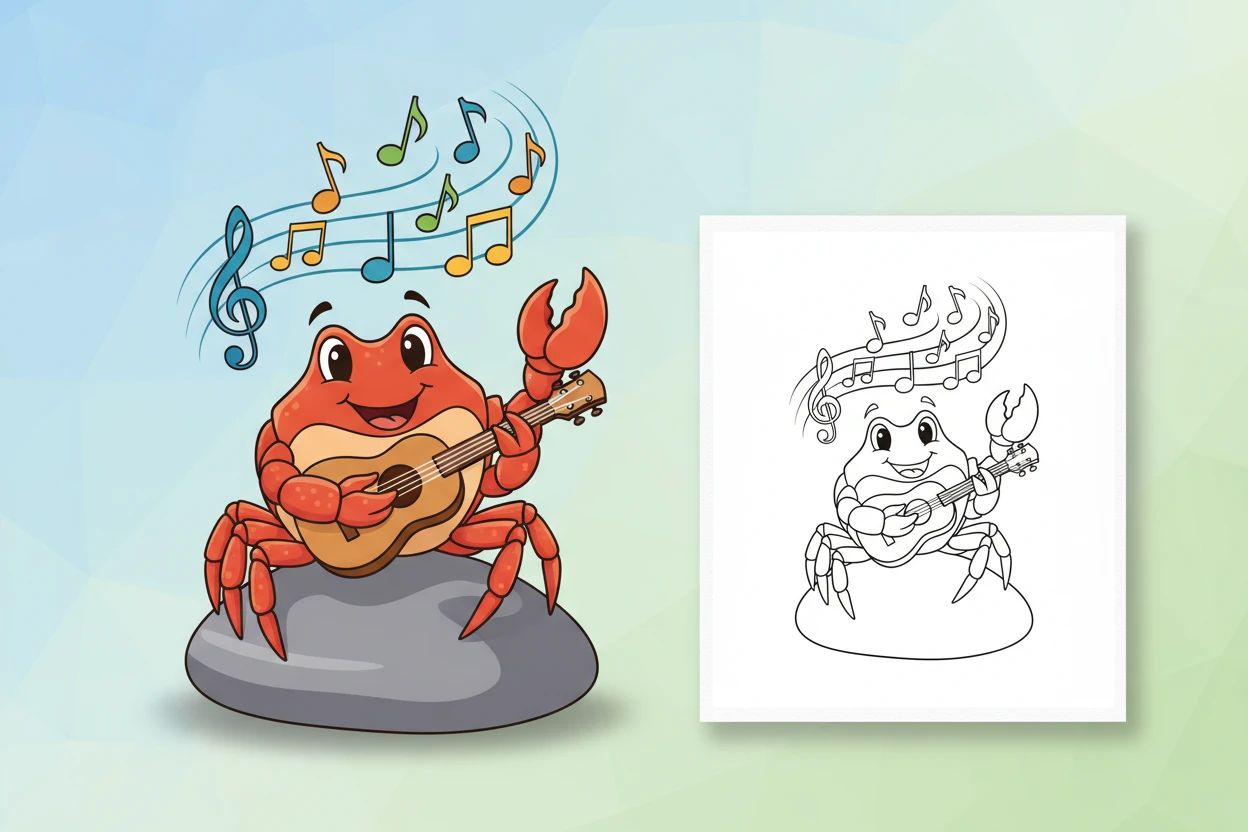
Imagine the sandcastle in design #2 in classic sandy yellows and light browns, with a small red or blue flag. The party hat on the festive crab in design #5 could be bright stripes of red, yellow, and blue, with a green present ribbon. The ukulele in design #13 could be a natural wood brown with silver strings, and the musical notes light blue or purple.
For these detailed designs, colored pencils are ideal for adding fine lines and textures. Use a dark brown pencil to outline the sandcastle bricks, and then blend light yellow and white for a sun-kissed look. For the ukulele, use a base brown and then use a slightly darker brown for wood grain details.
Discover these imaginative scenes in designs #2 (busy crab building a sandcastle), #5 (festive crab with a party hat), #12 (skilled crab juggling pebbles), #13 (musical crab strumming a ukulele), #15 (thoughtful crab with a bubble), and #19 (creative crab drawing in the sand).
Relaxed & Helpful Crabs
Crabs, like many creatures, need moments of rest and can also contribute positively to their environment. These designs celebrate both their leisure and their helpful spirit, connecting them to beach activities and environmental care.
The relaxed crab in design #10 needs cool blues and greens for its oversized sunglasses, and a vibrant striped pattern for the beach towel, perhaps yellow and white or red and blue. The umbrella could be a bright solid color like green or orange. For the helpful crab in design #18,
the bucket can be a cheerful red or yellow, overflowing with colorful seashells (pinks, purples, whites). The “beach clean-up” sign might be white with black lettering and a brown post.
When coloring these sea animal coloring sheets with markers, use bright, consistent strokes for accessories like sunglasses, towels, and buckets to make them stand out.
For the seashells, use different marker colors for each shell, then add a tiny white highlight with a gel pen for a glossy effect.
These inspiring scenarios are found in designs #6 (happy crab with a heart-shaped seashell), #10 (relaxed crab with sunglasses), and #18 (helpful crab with a clean-up bucket). You can learn more about marine conservation efforts at the Ocean Conservancy.
Creative Activity: Crab Story Cubes
After coloring your crab coloring pages, consider turning them into “Crab Story Cubes.” Cut out your favorite finished crab illustrations and glue each one onto the sides of a small cardboard
box or wooden cube. Once you have a few cubes, roll them like dice. Whichever crab designs land face-up become the starting points for an imaginative story! For example, if you roll the “festive crab”
and the “crab building a sandcastle,” your story could be about a crab who throws a birthday party for its sandcastle. This activity encourages creative writing and storytelling, extending the fun beyond the coloring process. You can even combine them with other 20 Numberblocks Coloring Pages for a numeric twist!
These diverse crab coloring pages offer a fantastic opportunity to explore the wonders of marine life through art. Whether you’re interested in accurate depictions of ocean animals or whimsical, imaginative scenes, these free printable crab coloring pages provide hours of engaging and educational fun.