We offer a wide collection of free, high-quality printable coloring pages for kids and adults. From cute animals to intricate mandalas, our designs bring creativity and relaxation to everyone. Download, print, and start coloring today!
This collection of 20 unique music coloring page designs offers a fantastic way to explore the world of sound, rhythm, and creative expression. From grand pianos to playful monsters playing saxophones, these free printable coloring pages provide engaging scenes for anyone who loves music, instruments, and dance.
Our extensive collection of music coloring page designs celebrates every facet of music, from the quiet focus of a solo instrument to the joyful energy of a full orchestra. You’ll find a delightful mix of characters, instruments, and lively scenes, perfect for those who appreciate detailed instruments and notes or want to bring vibrant color to dynamic dance coloring pages. Whether you’re a budding musician or simply love the harmony of colors, these Crayola coloring pages-friendly designs are ready for your personal touch.
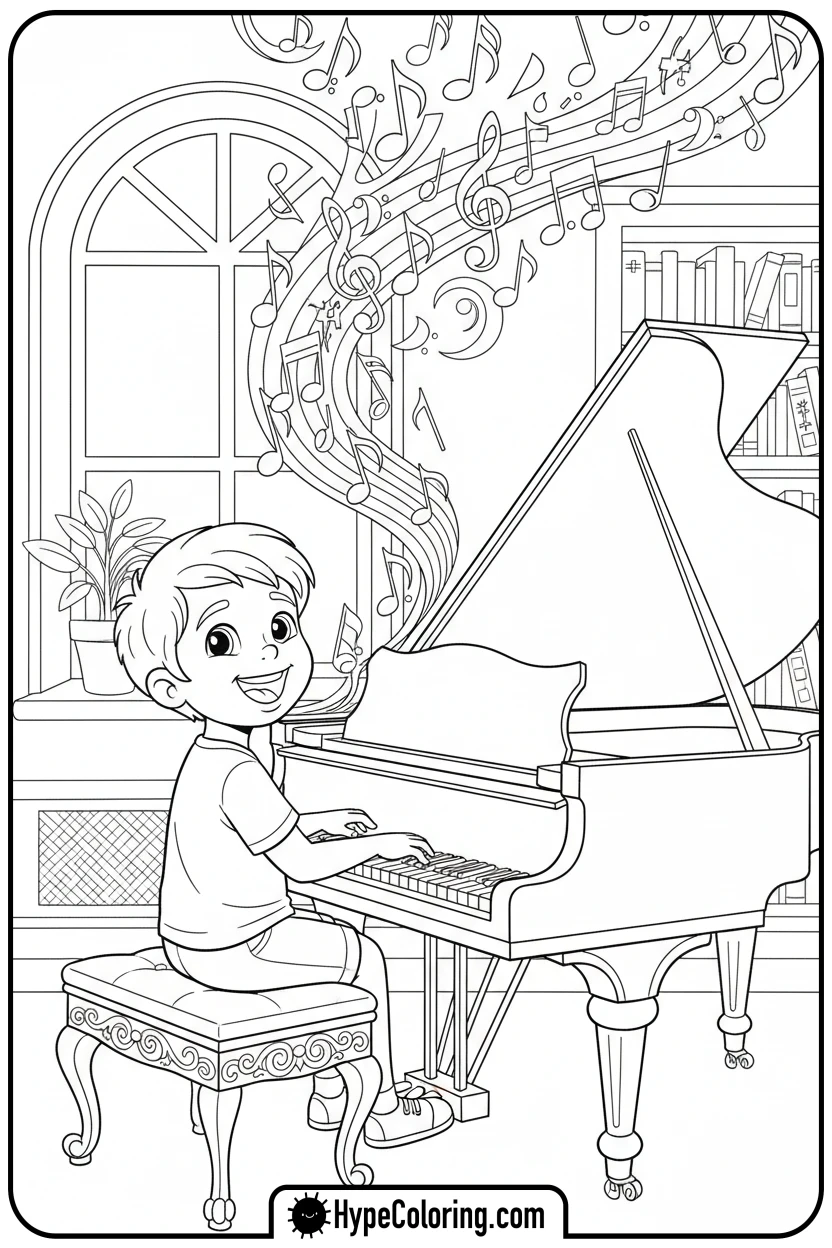
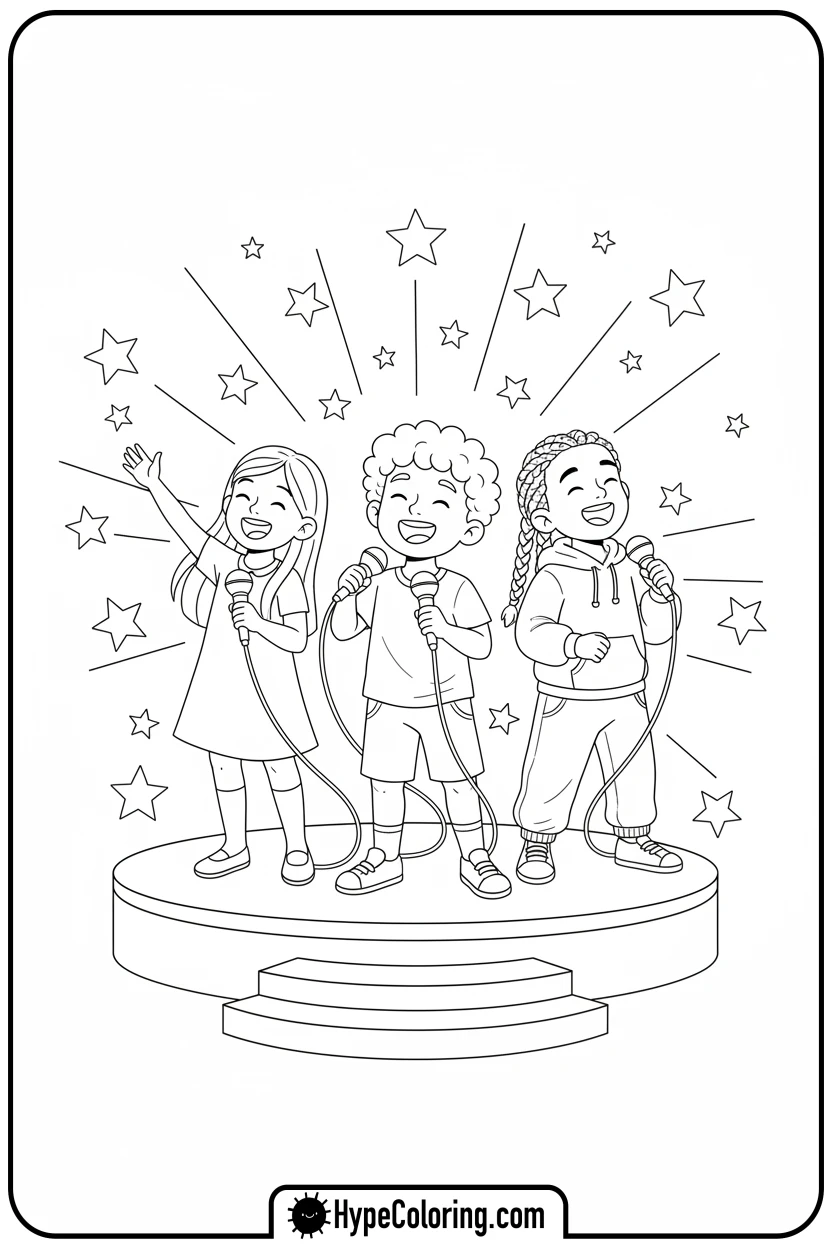
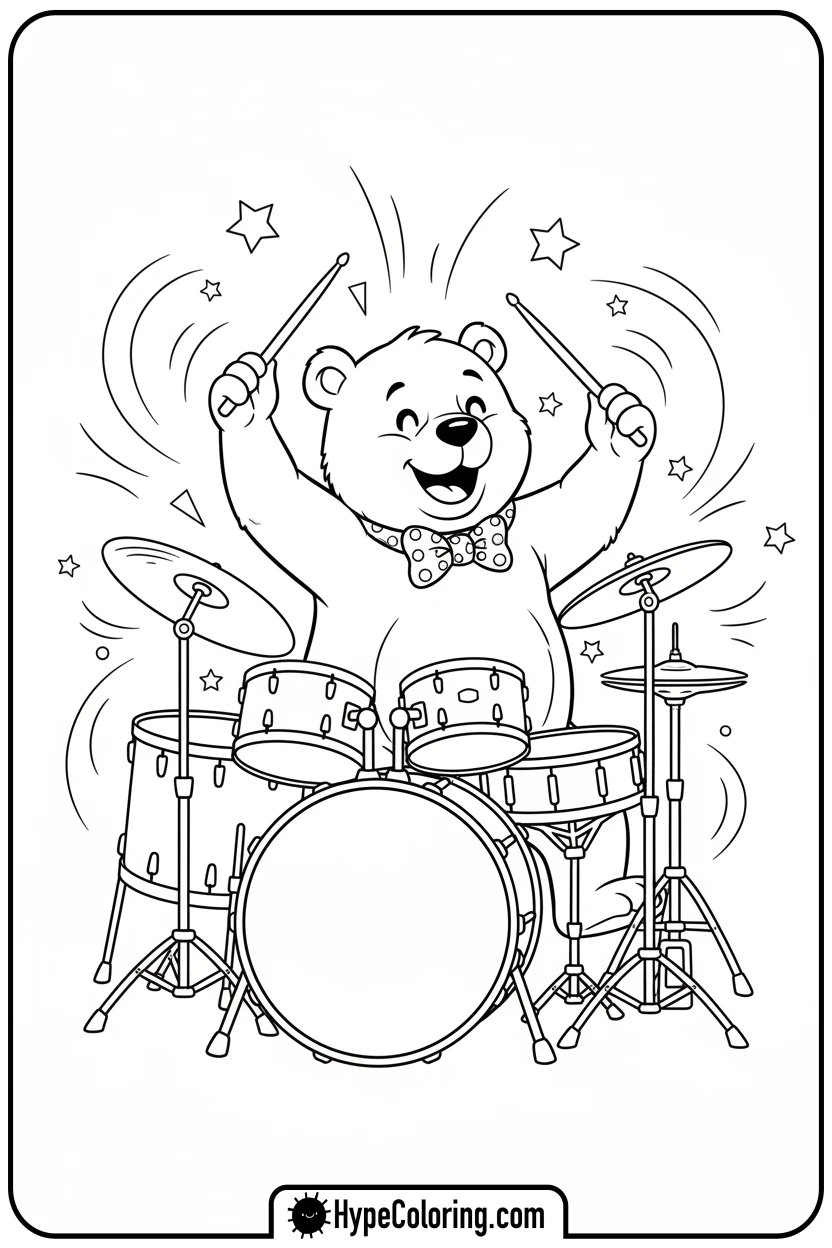
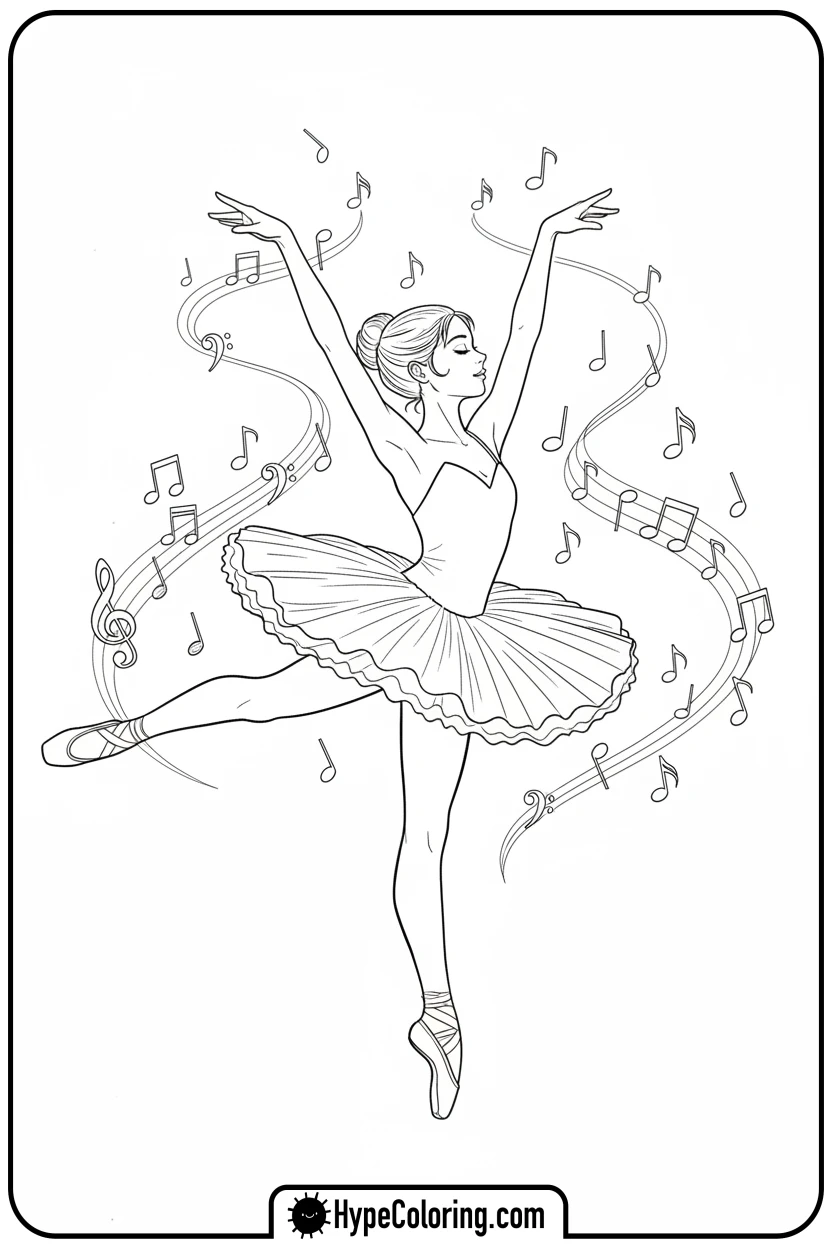
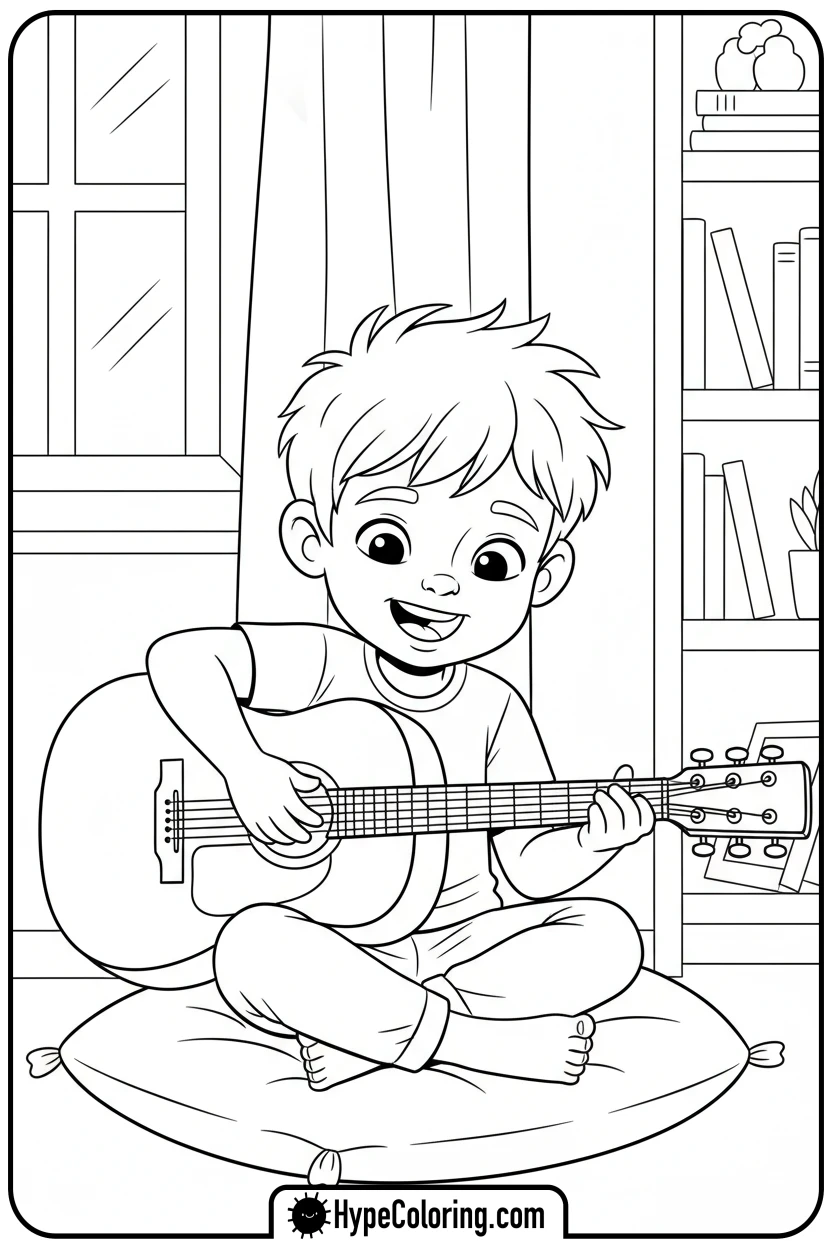
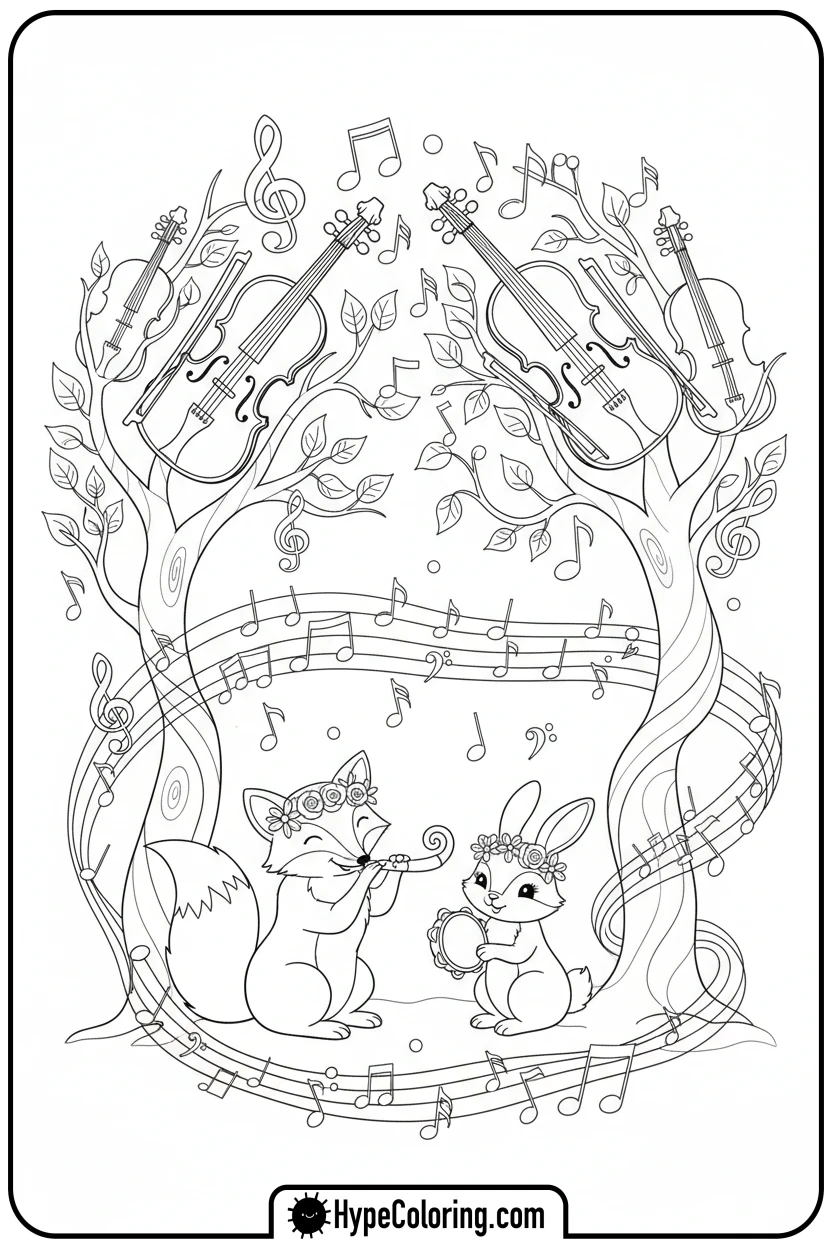
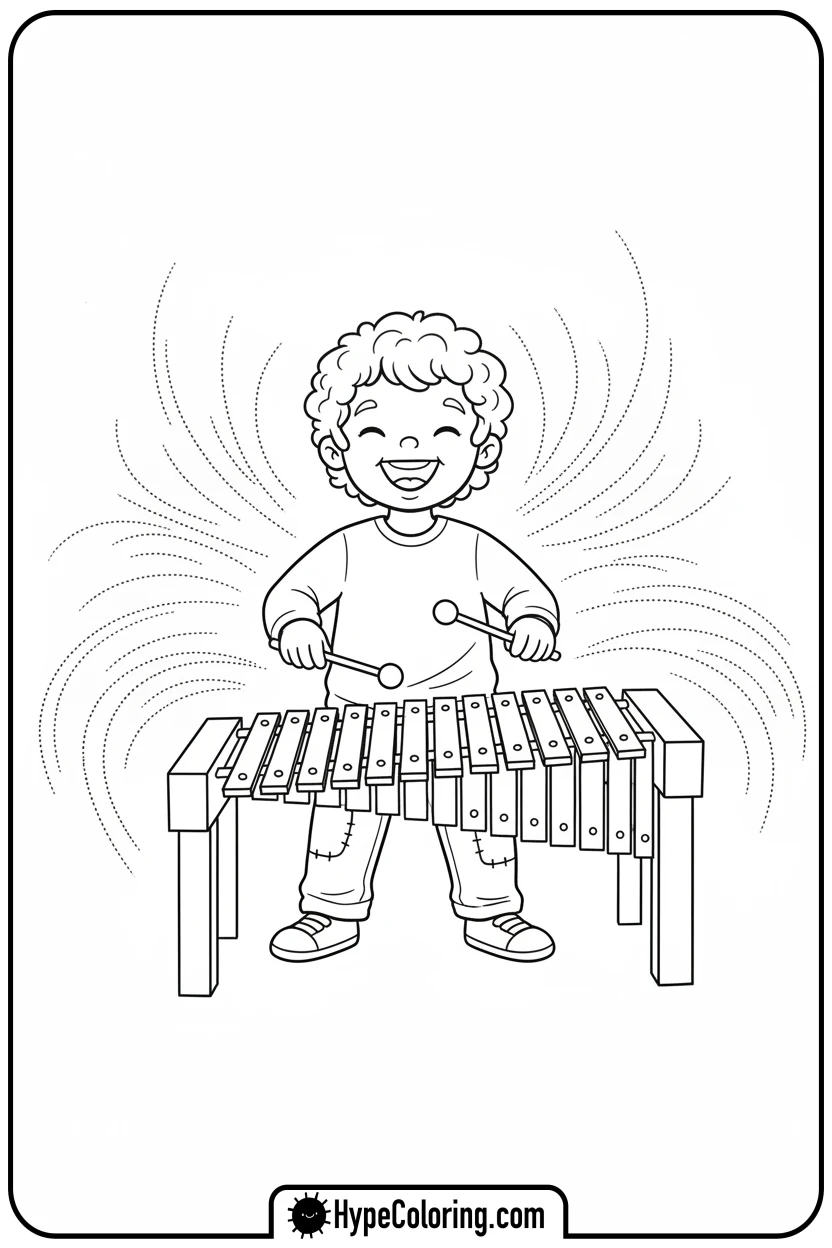
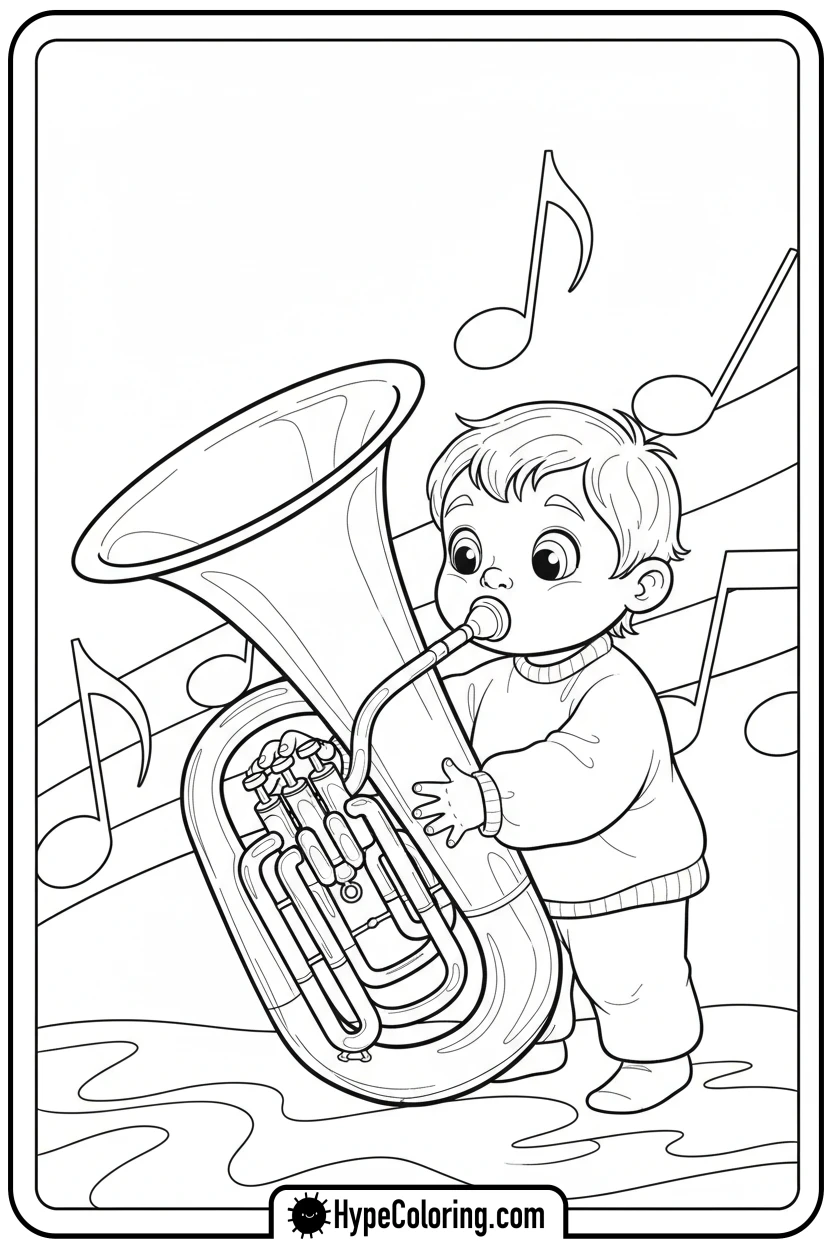
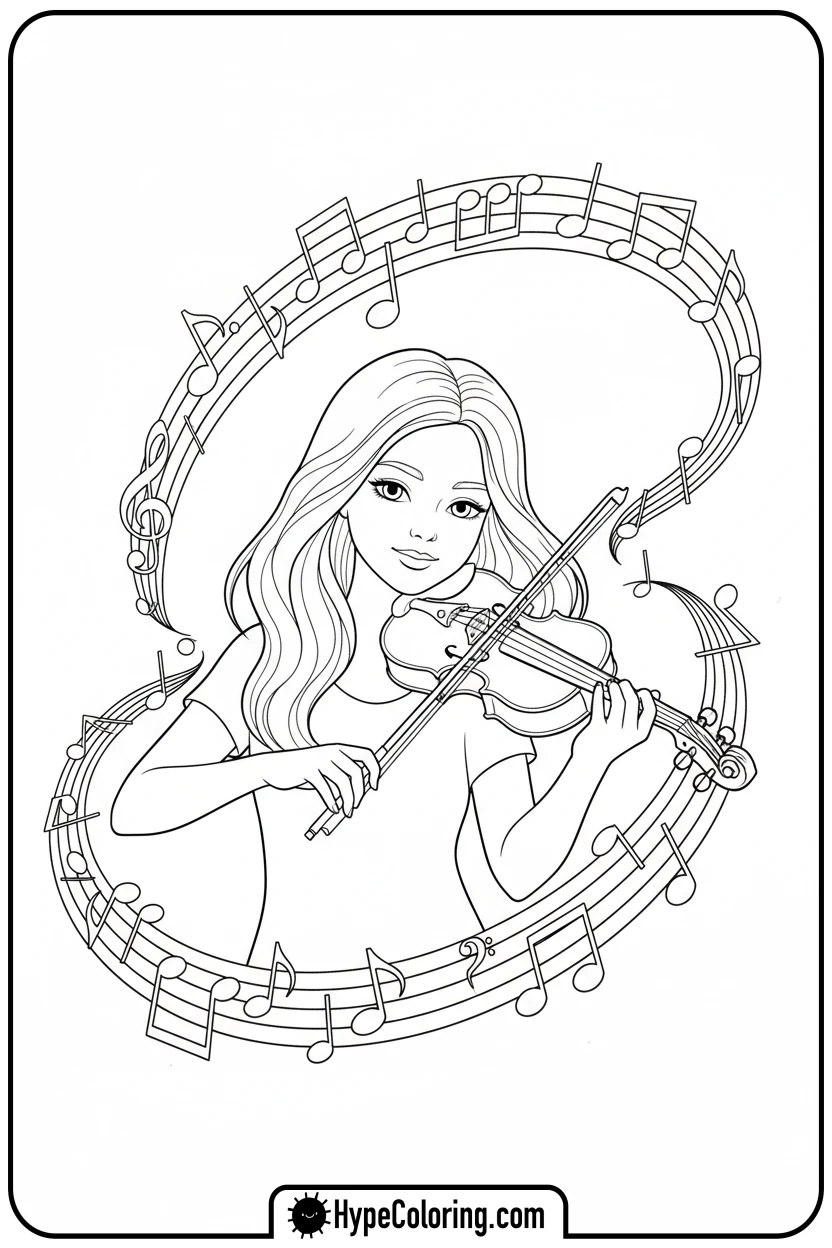
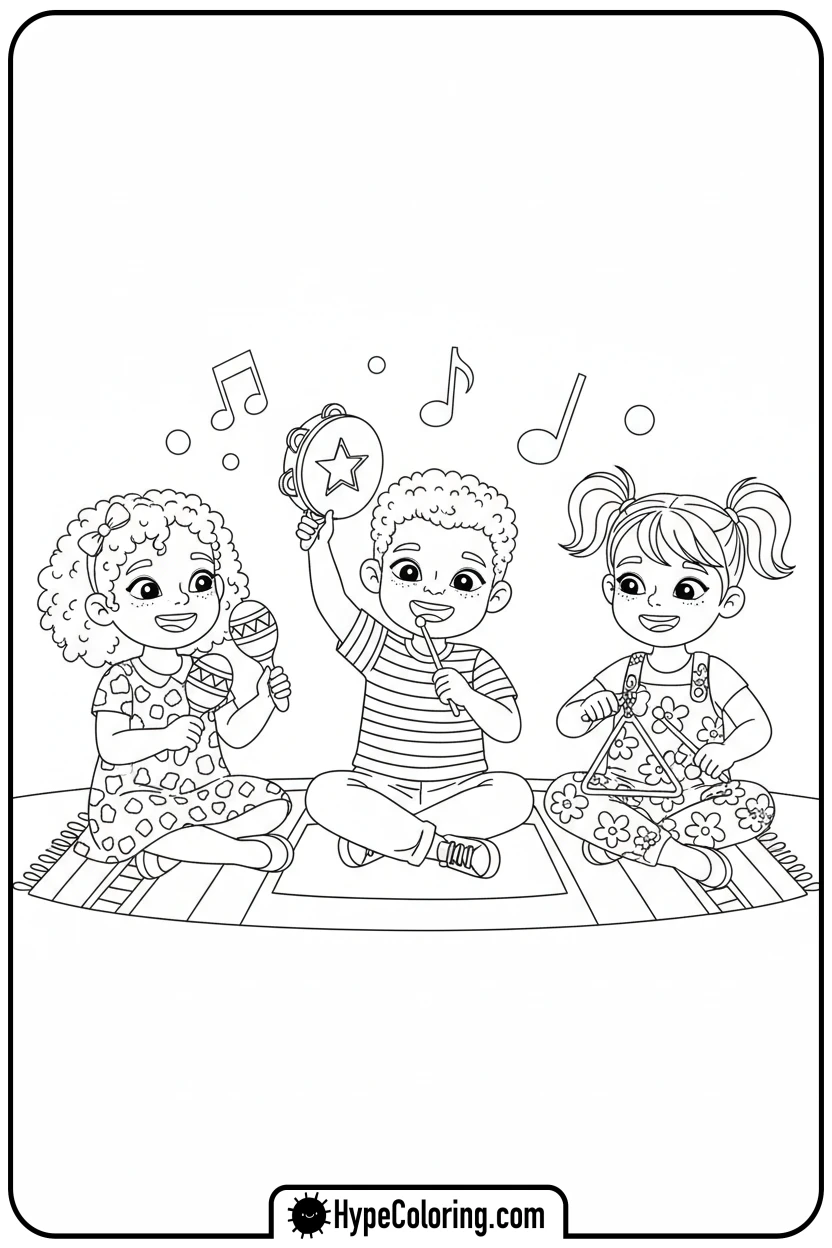
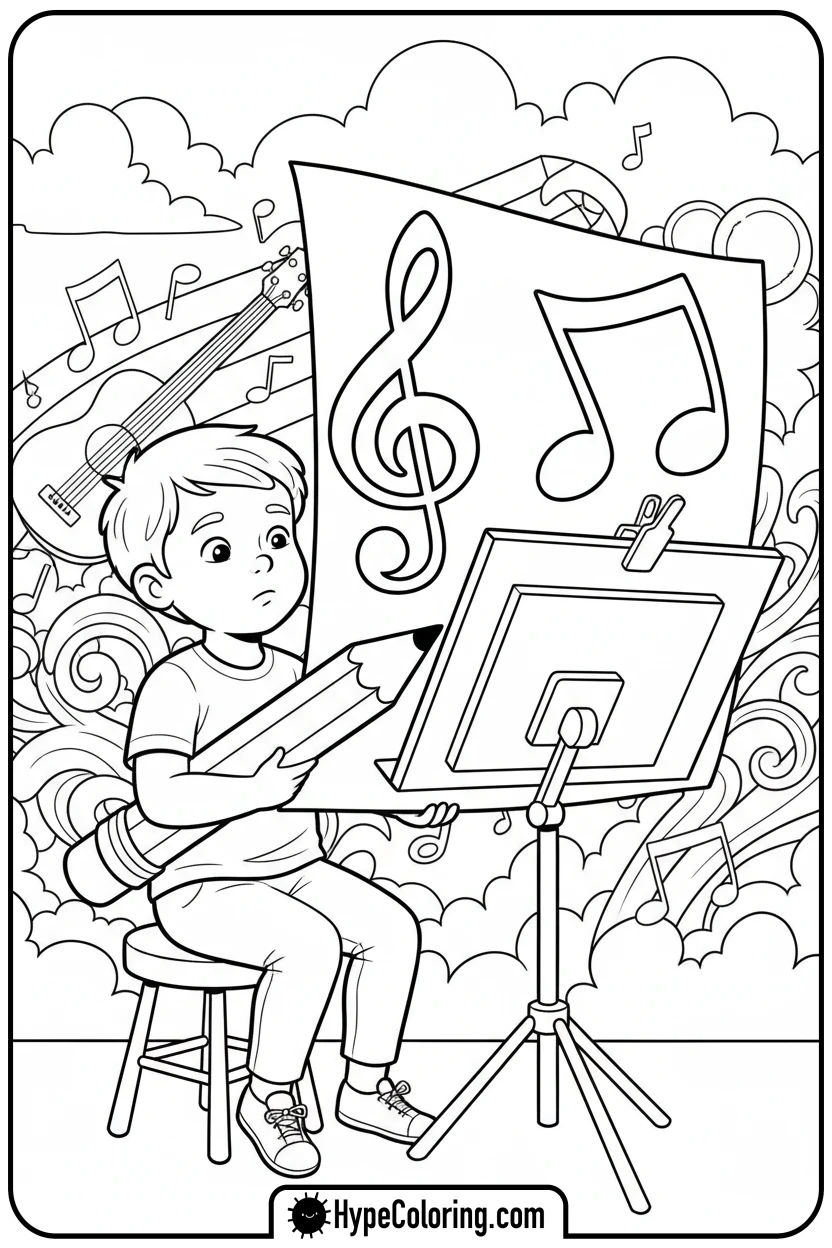
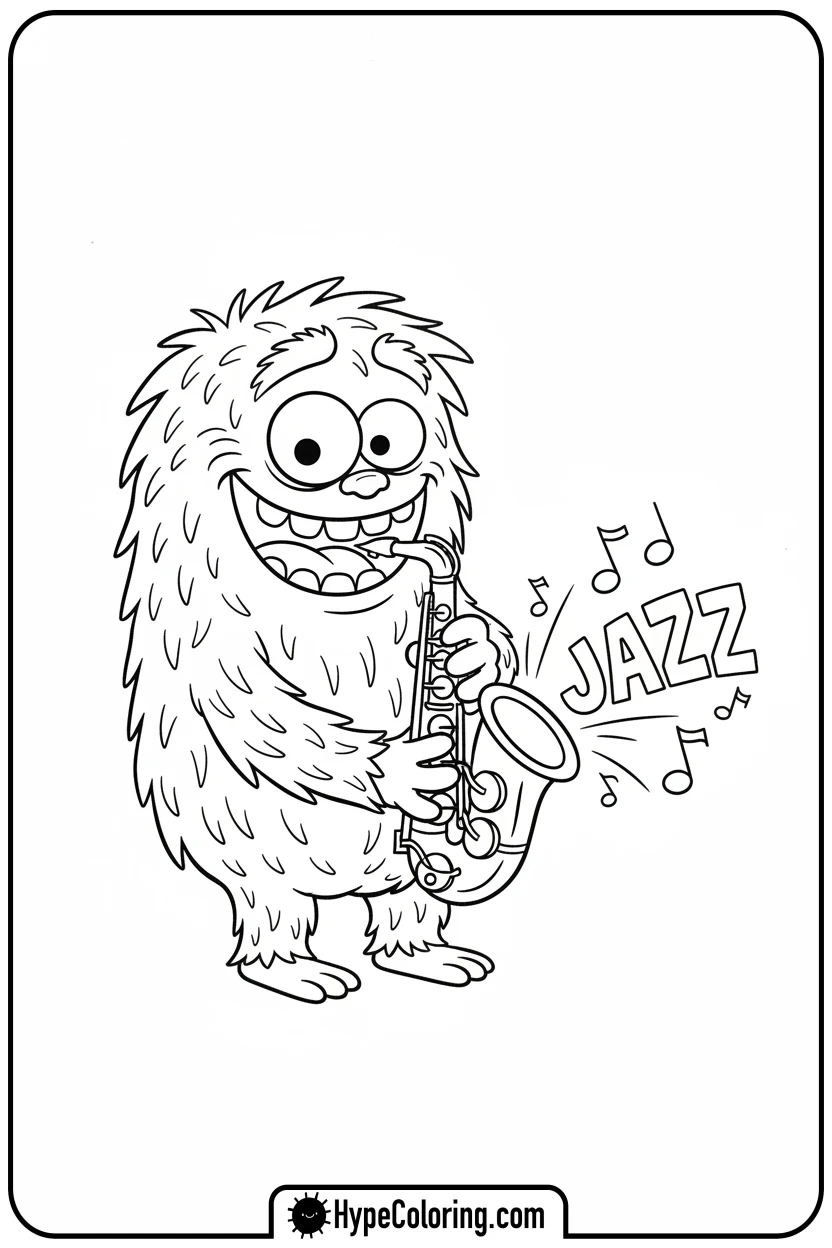
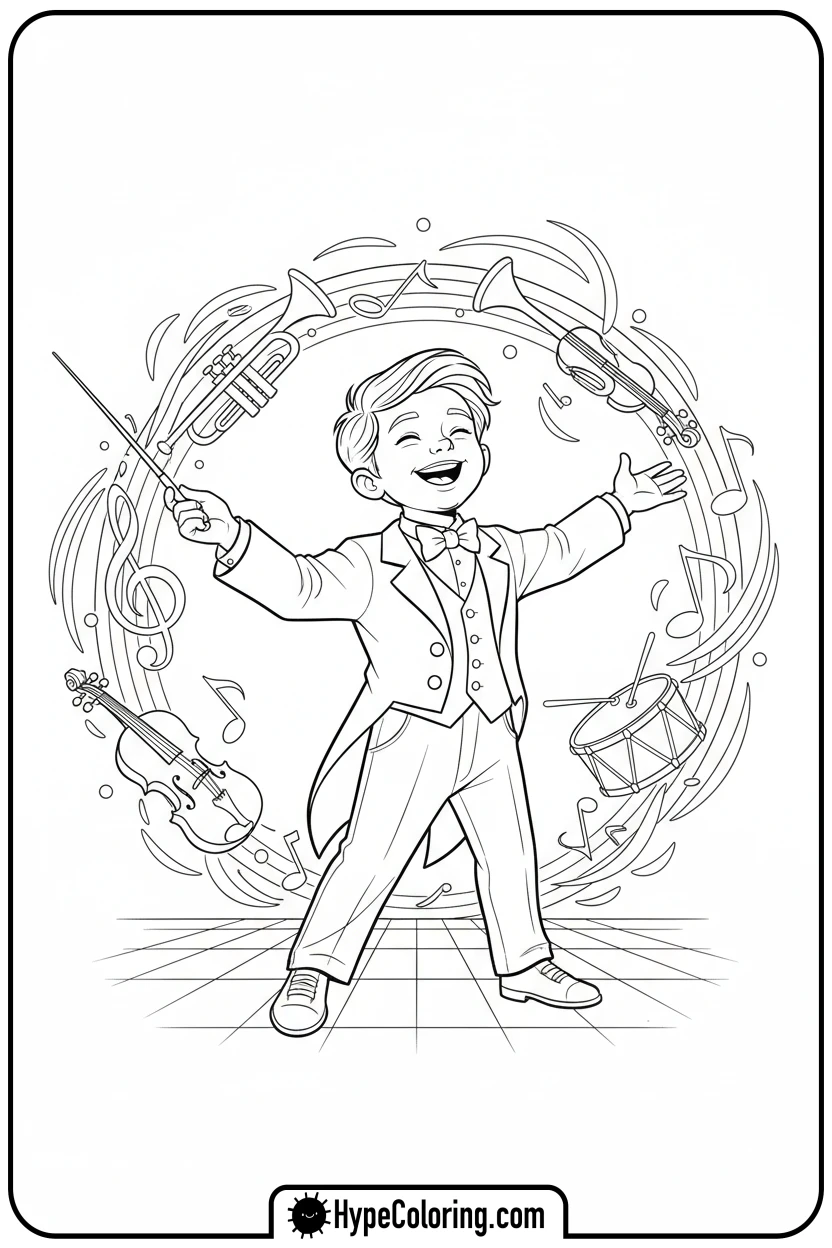
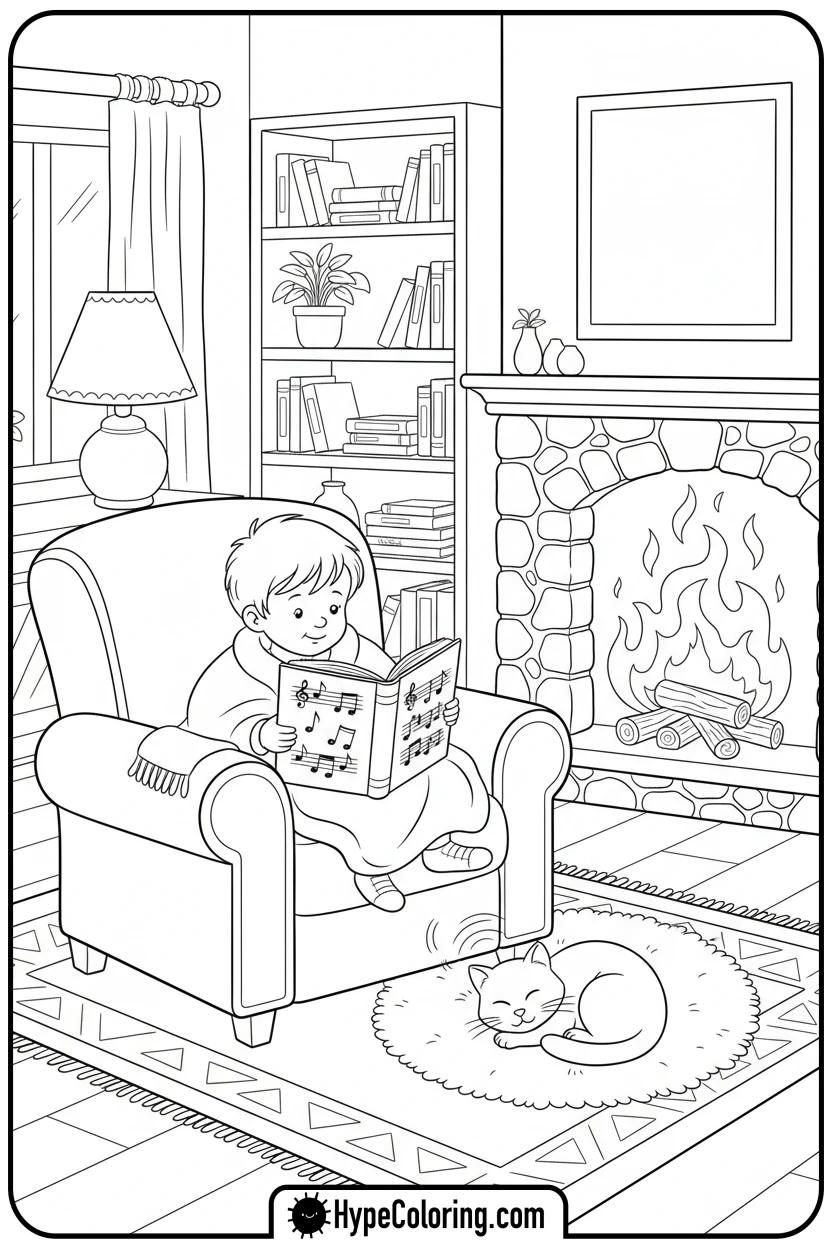
Table of Contents
Discover the World of Music with These Coloring Pages
The Grand Piano
The grand piano, an icon of classical and contemporary music, is known for its rich, resonant sound produced by hammers striking strings. A fascinating fact is that modern pianos often have 88 keys, but the number of strings can be much higher, sometimes over 200, due to multiple strings per note, especially in the higher registers for added brilliance.
To capture its elegant look, use deep black for the main body of the piano, perhaps a polished dark brown for the bench, and bright, contrasting colors like yellow, blue, and pink for the swirling musical notes. For design #1, try using a black marker for the piano’s body to get a solid, glossy look, then switch to colored pencils for the delicate, floating notes to give them a softer, more ethereal feel.
Joyful Singers
Group singing is a universal human activity, celebrated across cultures and known for its powerful impact on well-being. A real fact about singing is that it’s been scientifically proven to release endorphins and oxytocin, chemicals in the brain that promote feelings of happiness and bonding. This makes singing not just fun, but also good for your mental health.
For the three children in design #2, embrace diversity with a range of skin tones and vibrant clothing colors—think bright reds, sunny yellows, and cheerful blues. Use metallic silver or light gray for the microphones, and shimmering gold or bright yellow for the star shapes. Crayons are great for filling in large areas of clothing, allowing for bold color choices, while a fine-tip marker can add sparkle to the stars and detail to the microphones on this lively music coloring page.
The Drumming Bear
Drum kits are the rhythmic heartbeat of many music genres, from rock to jazz. A standard drum kit typically includes a bass drum, snare drum, tom-toms, and cymbals, allowing drummers to create complex rhythms and textures. Did you know that the modern drum kit only fully developed in the early 20th century with the invention of the bass drum pedal?
For our enthusiastic bear drummer in design #3, a warm medium brown for the bear’s fur will create a friendly appearance. The drums can be black or a deep metallic silver, with shiny gold or brass for the cymbals. Use dynamic colors like bright orange, electric blue, and white for the sound lines to show the energy. Colored pencils work well for adding texture to the bear’s fur and subtle reflections on the drum surfaces.
Graceful Ballet Dancer
Ballet is a highly technical form of dance that originated in the Italian Renaissance courts of the 15th century before evolving into a concert dance form in France and Russia. It’s known for its precise movements, elaborate costumes, and storytelling through movement. A key element in ballet is the plié, a bend of the knees that helps dancers prepare for jumps and turns, emphasizing grace and control.
For design #4, capture the dancer’s elegance with soft pastels. A delicate pink or white for the flowing tutu and ballet shoes, peach or light tan for her skin, and a natural hair color like light brown or blonde. The swirling music notes and clef symbols can be in various gentle hues like lavender, light blue, and pale yellow. Use colored pencils to achieve the soft, ethereal quality of the tutu and the gentle movement of the notes around her. Find more dance coloring pages for similar artistic expression.
Acoustic Guitar Strummer
The acoustic guitar is one of the most popular instruments worldwide, cherished for its versatility and portability. It produces sound through the vibration of its strings, which is then amplified by the hollow wooden body. The type of wood used significantly affects the guitar’s tone, with spruce and cedar being common choices for the soundboard.
In design #5, give the guitar a classic look with a rich, warm brown for the body, perhaps a slightly darker brown for the neck and headstock, and silver for the strings. The boy can have tan skin, tousled light brown hair, and wear comfortable clothes in colors like a cheerful blue shirt and green pants. Use crayons for the broad areas of the guitar body, varying pressure to suggest depth, and then a fine-tip black pencil for the intricate strings and frets.
Magical Forest of Music
Forests are full of natural sounds, but imagine one where the trees themselves are instruments! Many cultures have historically crafted flutes and other simple wind instruments from natural materials like wood and reeds, often associating them with spiritual or magical properties. These instruments often mimicked the sounds of nature itself.
For design #7, let your imagination run wild with vibrant greens for the leaves and grass, and various earthy browns for the tree trunks that cleverly twist into violin shapes. The woodland animals, like the fox and rabbit, can be their natural colors (orange-red for the fox, light brown/white for the rabbit), playing small instruments in light wood tones. Use colored pencils to blend different shades of green for a lush forest, and markers for the bright, whimsical music notes. For more nature-themed free printable coloring pages, check out our Free Printable Jungle Animals Coloring Pages.
The Joyful Xylophone
The xylophone is a percussion instrument consisting of wooden bars struck by mallets, producing bright, clear tones. It originated from Southeast Asia and Africa and has been used in various musical traditions for centuries. The word “xylophone” comes from the Greek words “xylon” (wood) and “phone” (sound).
Bring design #9 to life with a rainbow of colors for the xylophone bars – red, orange, yellow, green, blue, and purple. The frame can be a light, natural wood brown. The child can have bright, happy clothing, like a sunny yellow shirt and blue shorts, with peach skin and light brown hair. Markers are perfect for making each xylophone bar pop with vivid, distinct color, while colored pencils can add softer shading to the child and the playful sound waves.
Curious Child with a Tuba
The tuba is the largest and lowest-pitched member of the brass instrument family, providing the deep bass notes that anchor orchestras and concert bands. Invented in the 19th century, its characteristic deep, resonant sound is produced by vibrating air inside its large, conical bore. Its size makes it quite a sight! You can read more about the tuba’s history and construction on its Wikipedia page.
To color the grand tuba in design #12, use a shiny brass gold or bright yellow for its main body, with contrasting silver for the valves and connecting pipes. The child can have peach skin, a curious expression, and wear a simple blue t-shirt and green pants. Crayons can cover the large surface areas of the tuba with rich, solid color, and you can even use a white crayon over the yellow/gold to create highlights for a metallic sheen.
Serene Violinist
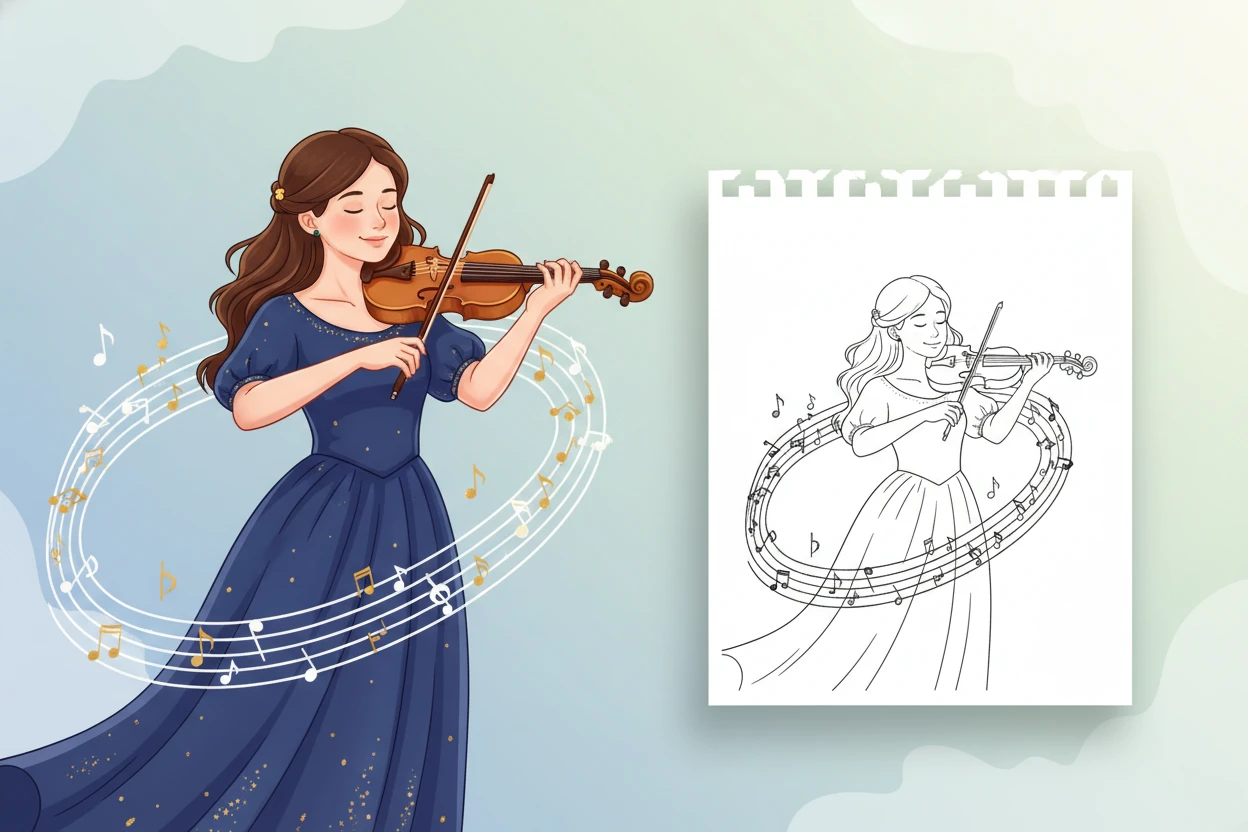
The violin is perhaps one of the most recognizable and beloved string instruments, known for its expressive and often melancholic sound. Its design has remained remarkably consistent for centuries, with master luthiers like Stradivarius creating instruments that are still highly prized today. A fun fact: a violin typically has four strings, tuned in perfect fifths.
For the serene violinist in design #13, use a rich reddish-brown for the violin body, with a darker brown or black for the fingerboard and chin rest. The girl can have a gentle smile, peach skin, and a flowing dress in a calming color like light blue or lavender. The musical staffs and notes elegantly curving around her can be in a soft gray or white, creating an ethereal frame. Colored pencils are ideal for capturing the delicate wood grain of the violin and the smooth flow of the music lines. This music coloring page emphasizes the beauty of the instrument.
The Saxophone Monster
The saxophone, a versatile woodwind instrument, was invented by Adolphe Sax in the 1840s. It’s famous for its distinctive sound, which can be smooth and mellow or bright and powerful, making it a staple in jazz, classical, and marching band music. Its unique conical bore gives it a sound that bridges the gap between brass and woodwind instruments. Learn more about the saxophone’s invention and impact at the Adolphe Sax biography page.
For our friendly, shaggy monster in design #17, let your creativity shine! Use a vibrant, goofy color like bright green, electric blue, or even purple for the monster’s fur and big eyes. The saxophone can be a shiny brass gold or yellow, with silver keys. The cartoon “jazz” lines emanating from the bell can explode with energy in colors like orange, yellow, and red. Markers will give the monster bold, saturated colors and make the jazz lines pop with dynamic energy.
The Conductor’s Baton
While not an instrument itself, the conductor’s baton is a powerful symbol of musical leadership and unity. Conductors use the baton to visually convey tempo, dynamics, and musical phrasing to an orchestra or choir, guiding many individual musicians to perform as one cohesive unit. It’s a tool for communication, not for making sound directly.
For the confident child in design #18, the baton can be a simple white or light wood color. The child’s clothing can be bright and energetic—a red jacket or a blue shirt—with a joyful, dramatic expression on their face. The background could suggest an imaginary stage with a soft, gradient wash of color. Use colored pencils to create a sense of movement in the child’s pose and to add subtle shadows, giving depth to this inspiring music coloring page.
Creative Activities with Your Music Coloring Pages
- Compose a Scene: After coloring several instrument or character pages, cut them out and glue them onto a larger piece of paper to create your own “music festival” or “orchestra.” Add your own drawn elements like a stage, audience, or even more musical notes to tell a bigger story.
- Music Story Time: Pick one of your completed music coloring pages, like the “Magical Forest Scene” (Design #7) or the “Cozy Reading Scene” (Design #19). Look at all the details you’ve colored and invent a short story about what’s happening in the picture, what music is playing, or what sounds the characters are hearing. You can even try to hum a tune that fits the mood of your colored page!
This collection of music coloring page designs offers a wonderful opportunity to blend your love for art and music. We hope you enjoy bringing these vibrant scenes to life.