We offer a wide collection of free, high-quality printable coloring pages for kids and adults. From cute animals to intricate mandalas, our designs bring creativity and relaxation to everyone. Download, print, and start coloring today!
Embark on an undersea adventure with this delightful collection of 20 finding nemo color pages, perfect for fans of all ages. These free printable designs feature beloved characters, iconic scenes, and vibrant underwater worlds, offering a fun way to bring the magic of the ocean to life with your favorite coloring tools. Whether you’re searching for specific finding nemo characters or just want engaging nemo coloring activities, this collection has something for everyone.
This extensive collection of finding nemo color pages captures key moments and characters from the beloved Pixar film. From Nemo’s daring debut to Marlin’s epic journey and Dory’s unforgettable spirit, these printable coloring sheets provide a comprehensive look at the movie’s charm. You’ll find a variety of underwater scene coloring opportunities, allowing you to explore the colorful coral reefs and the mysteries of the deep sea.
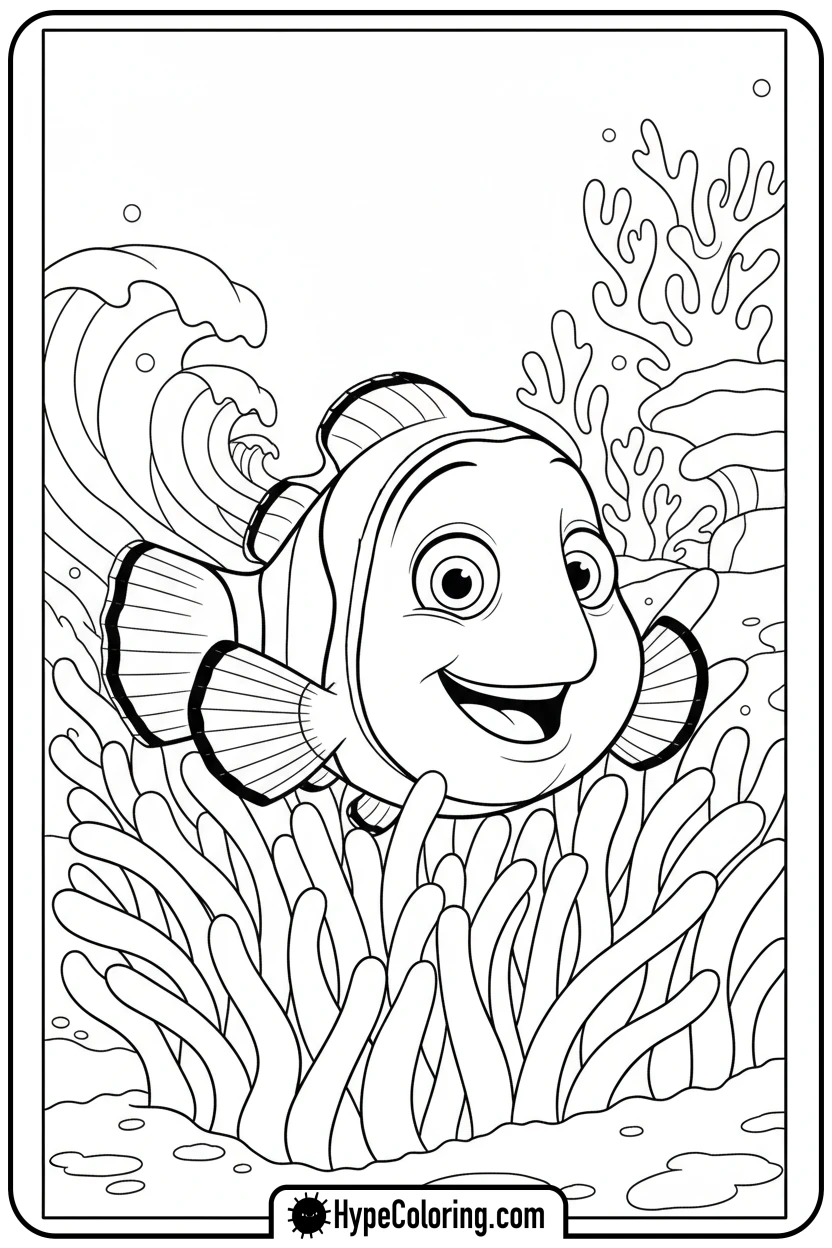
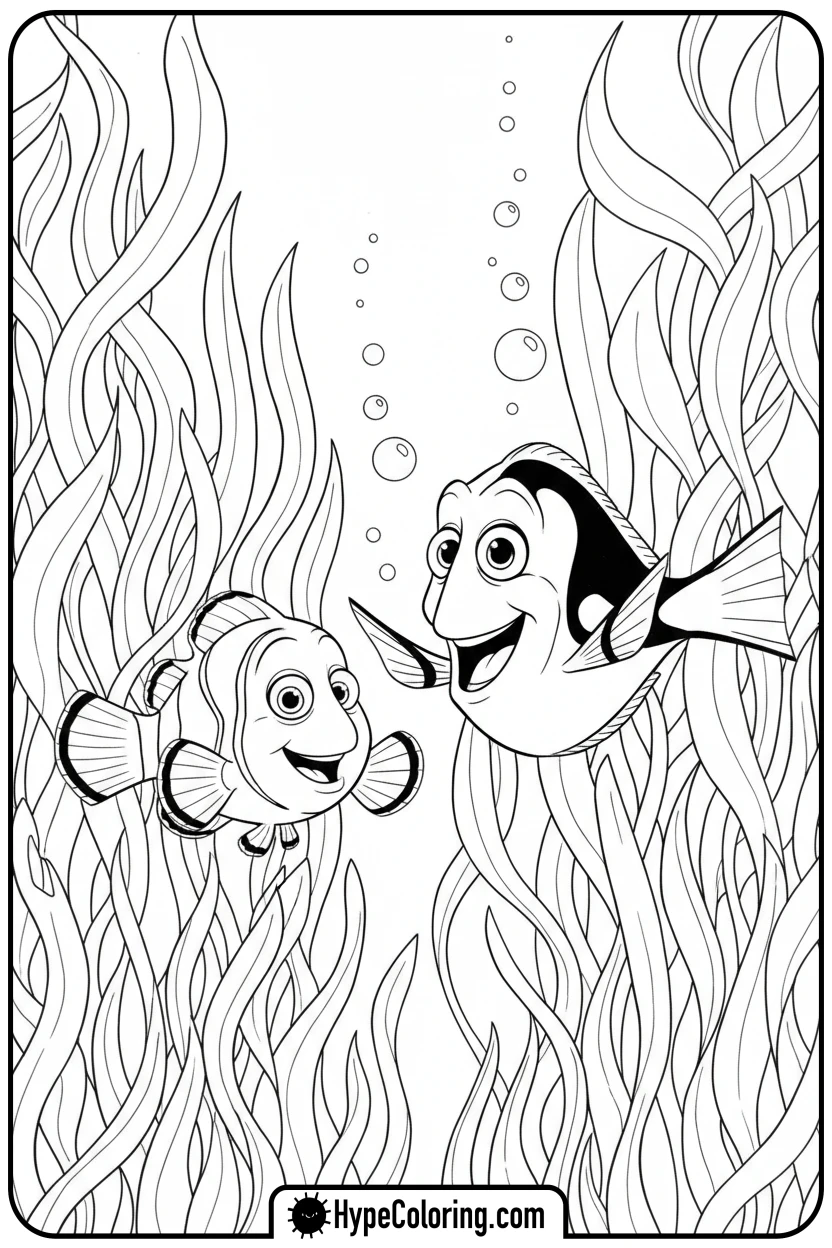
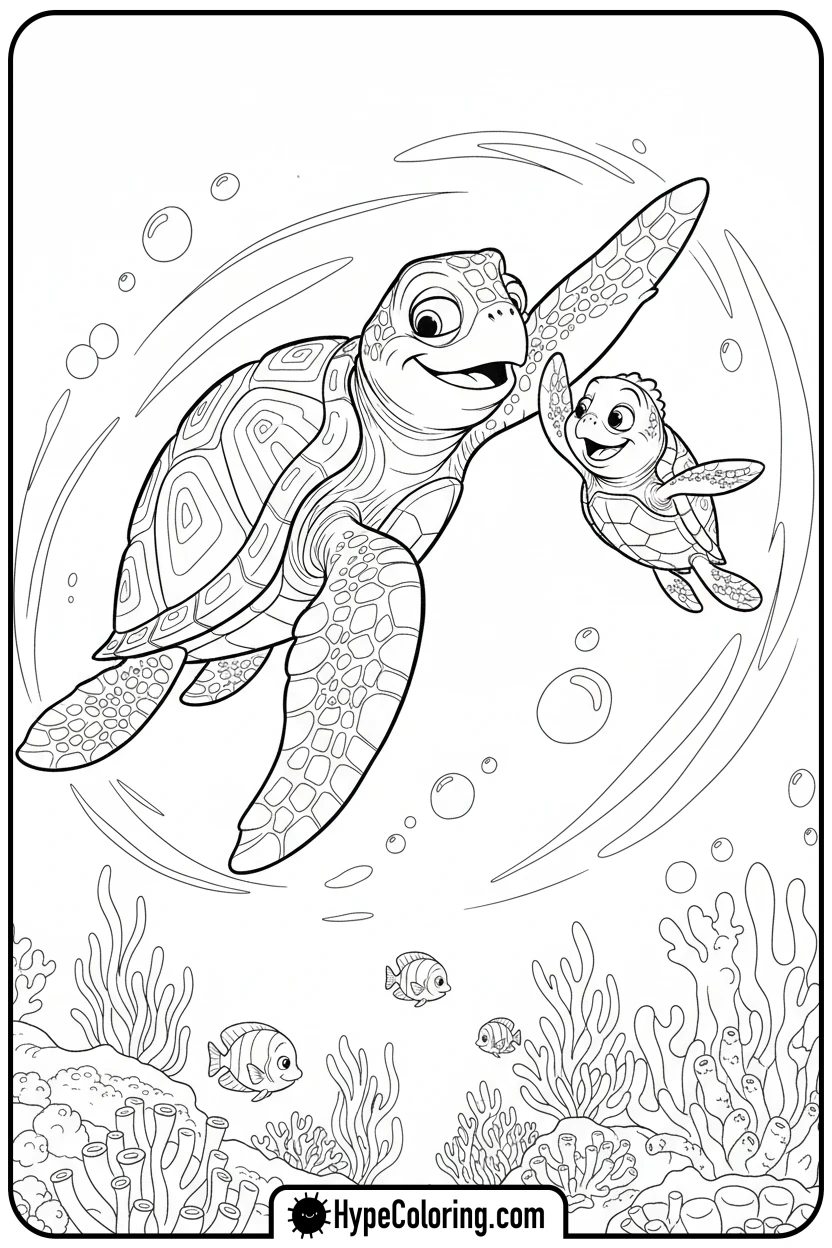
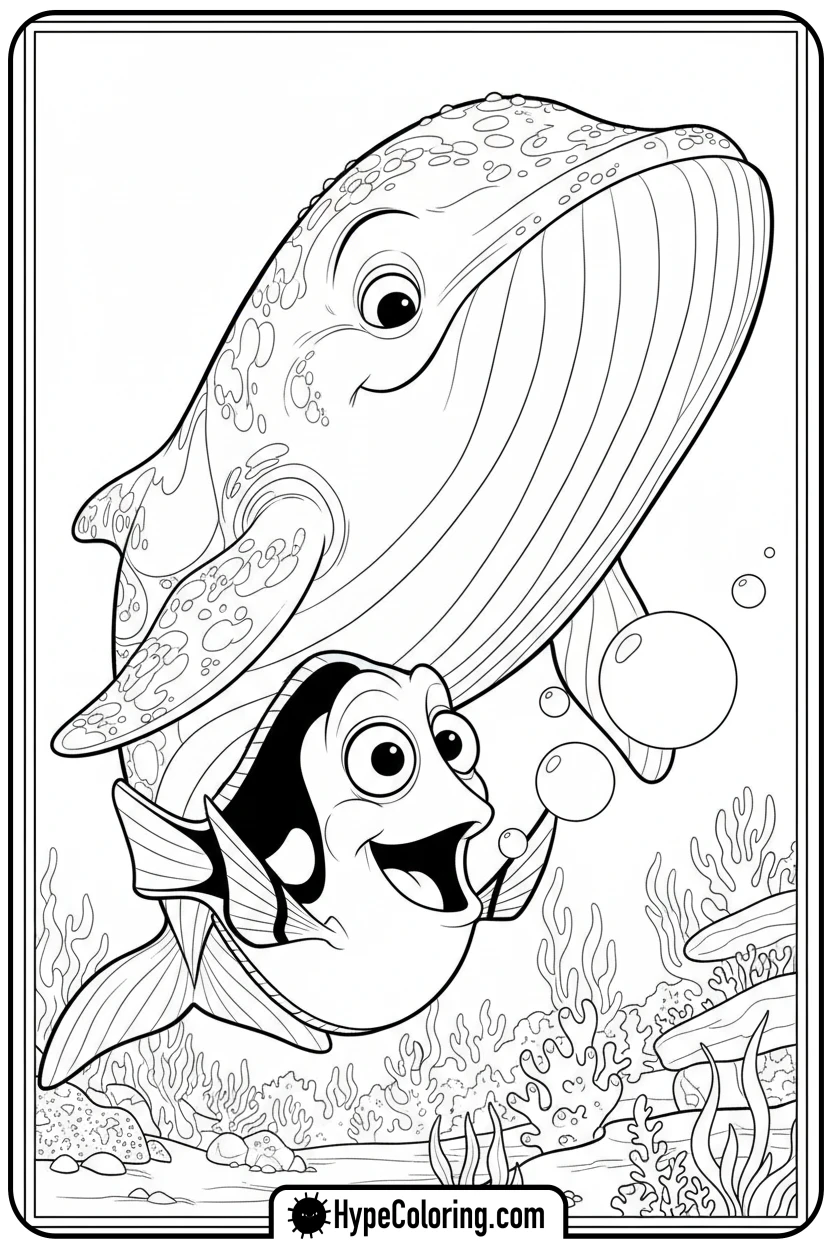
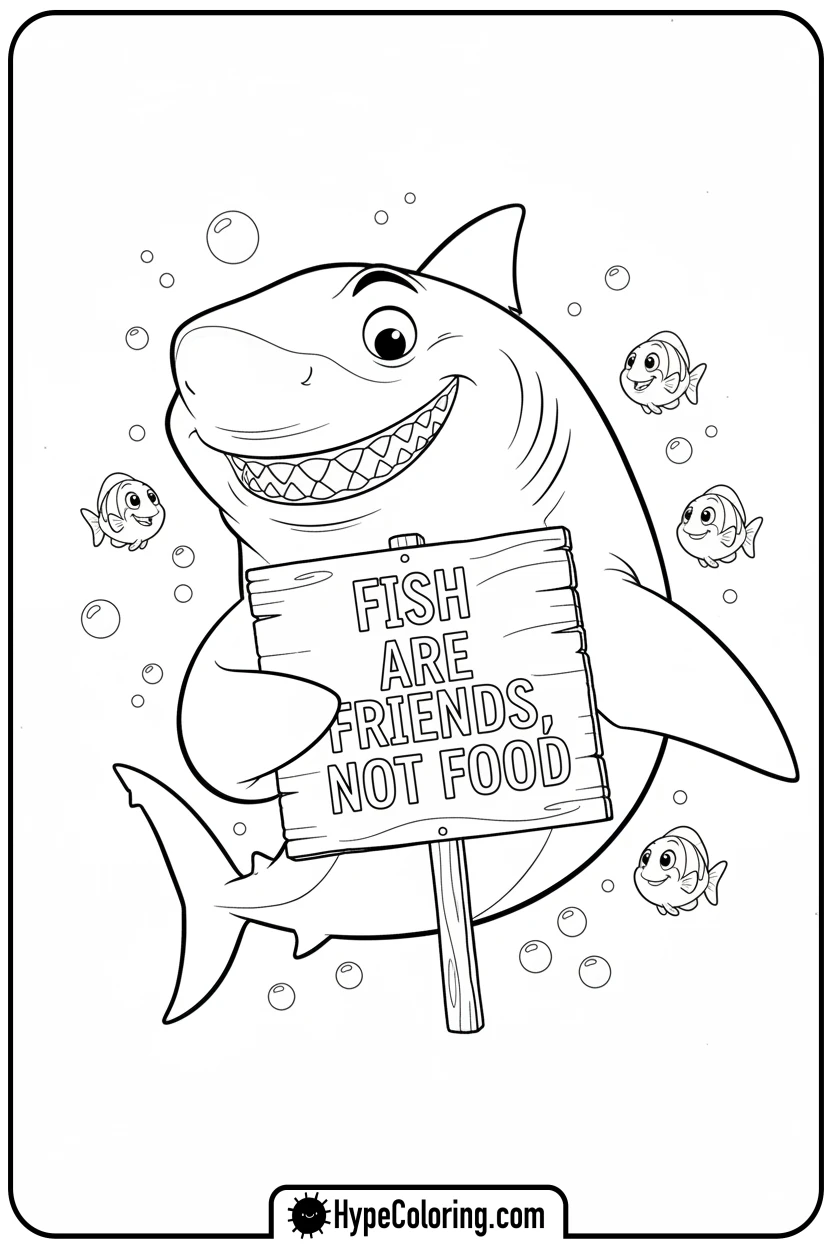
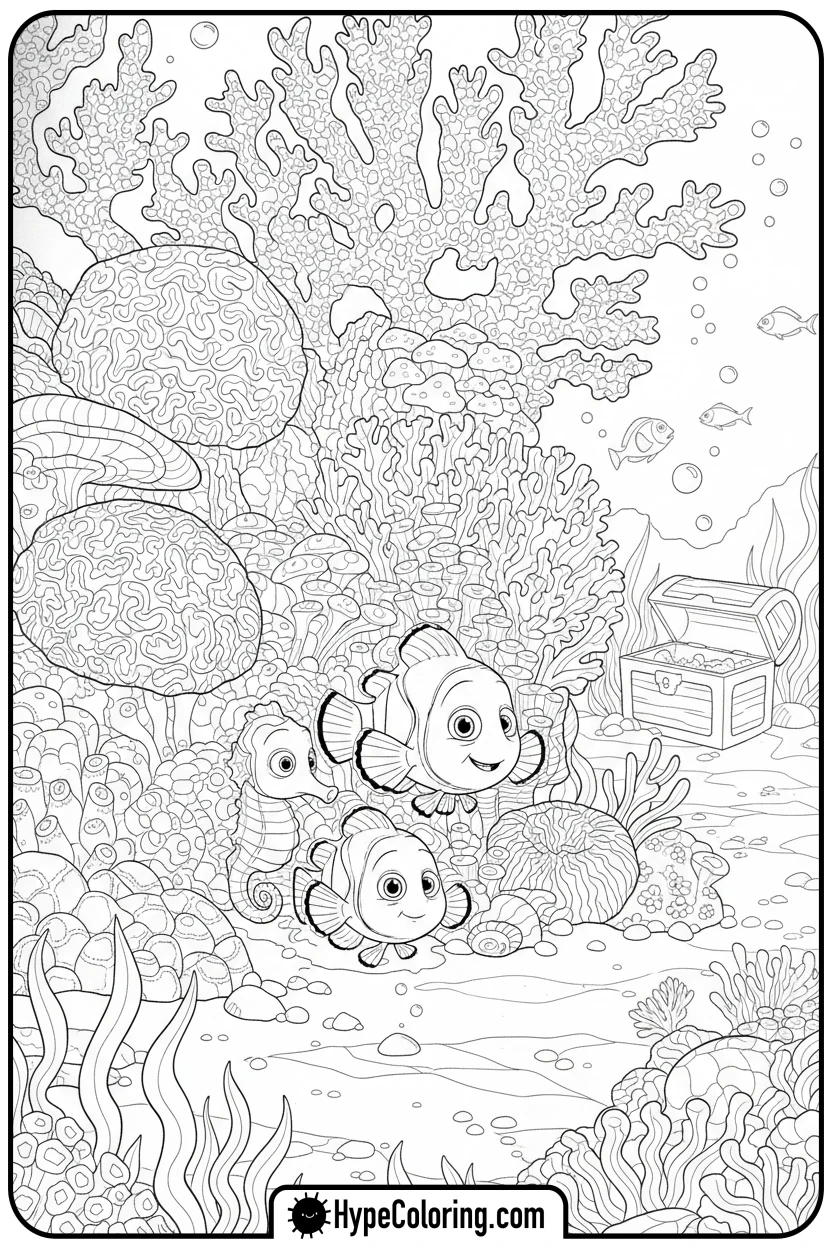
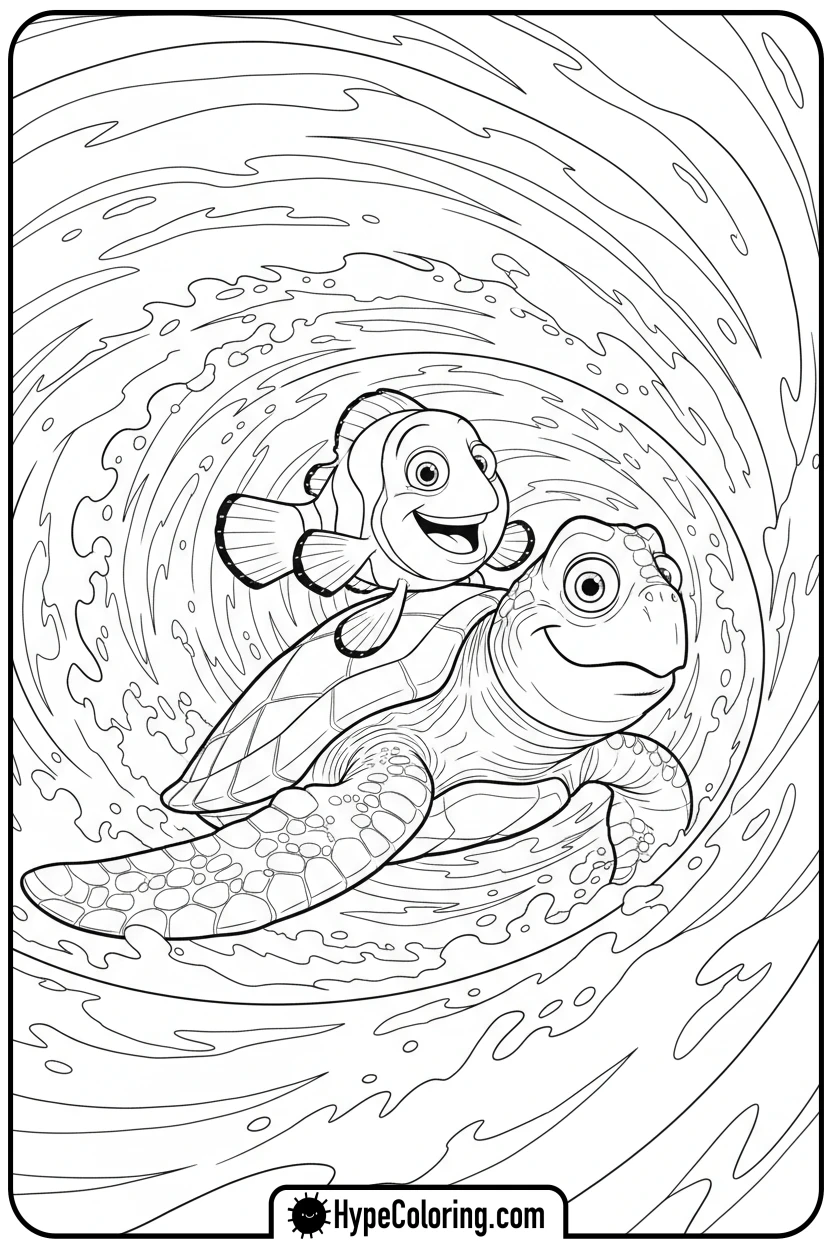
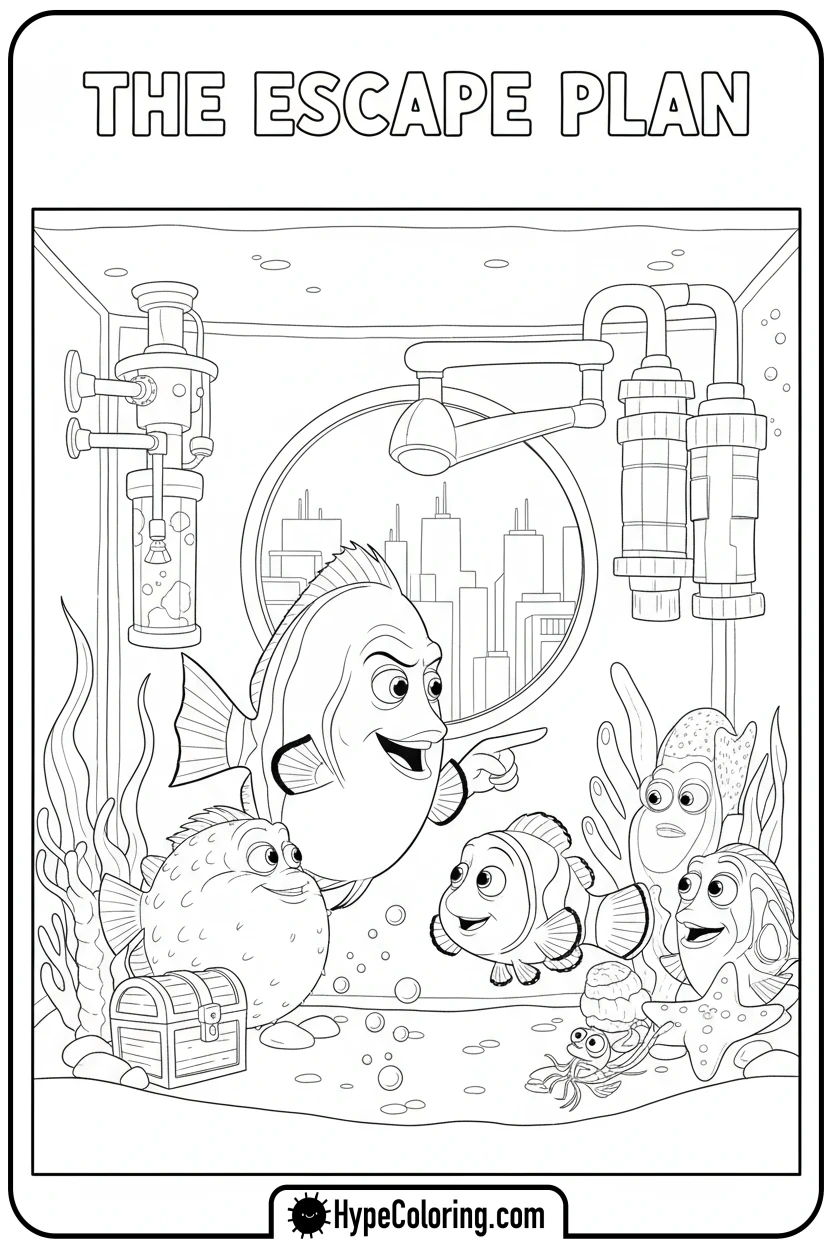
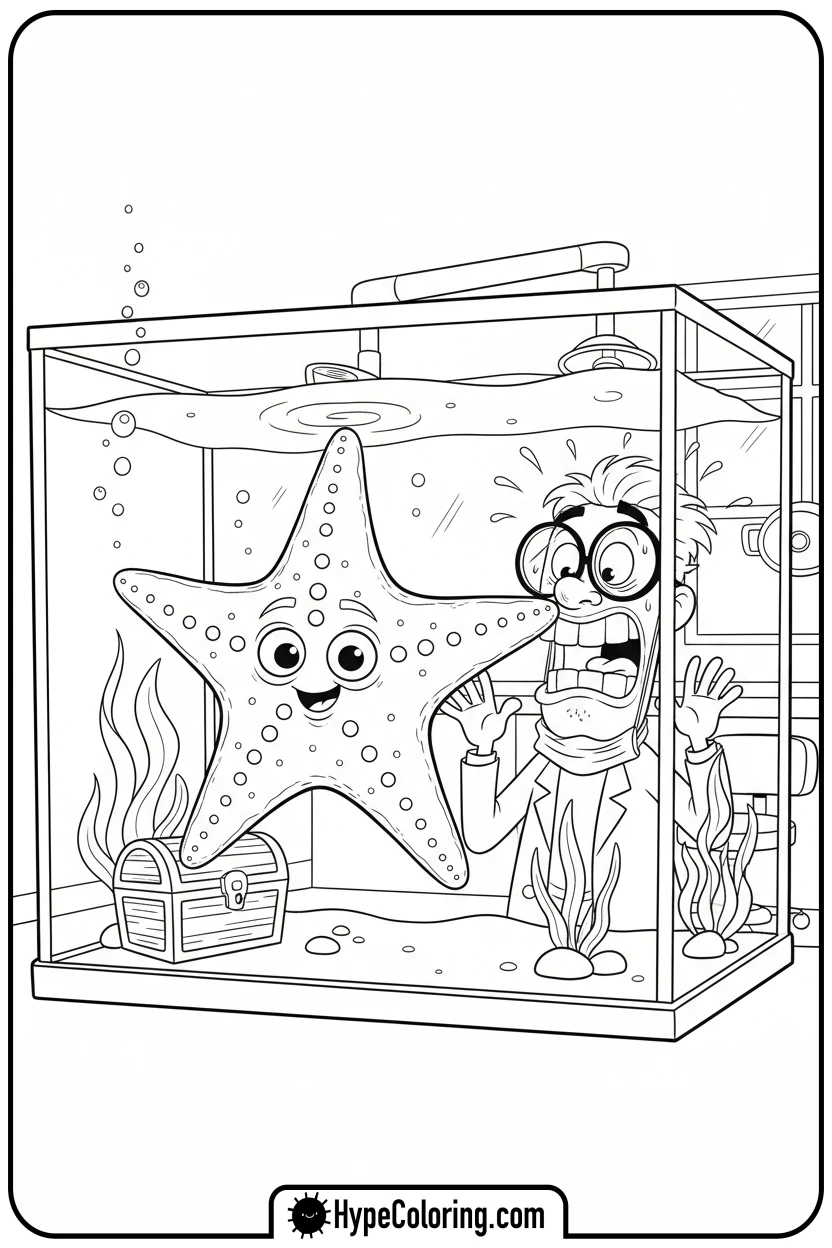
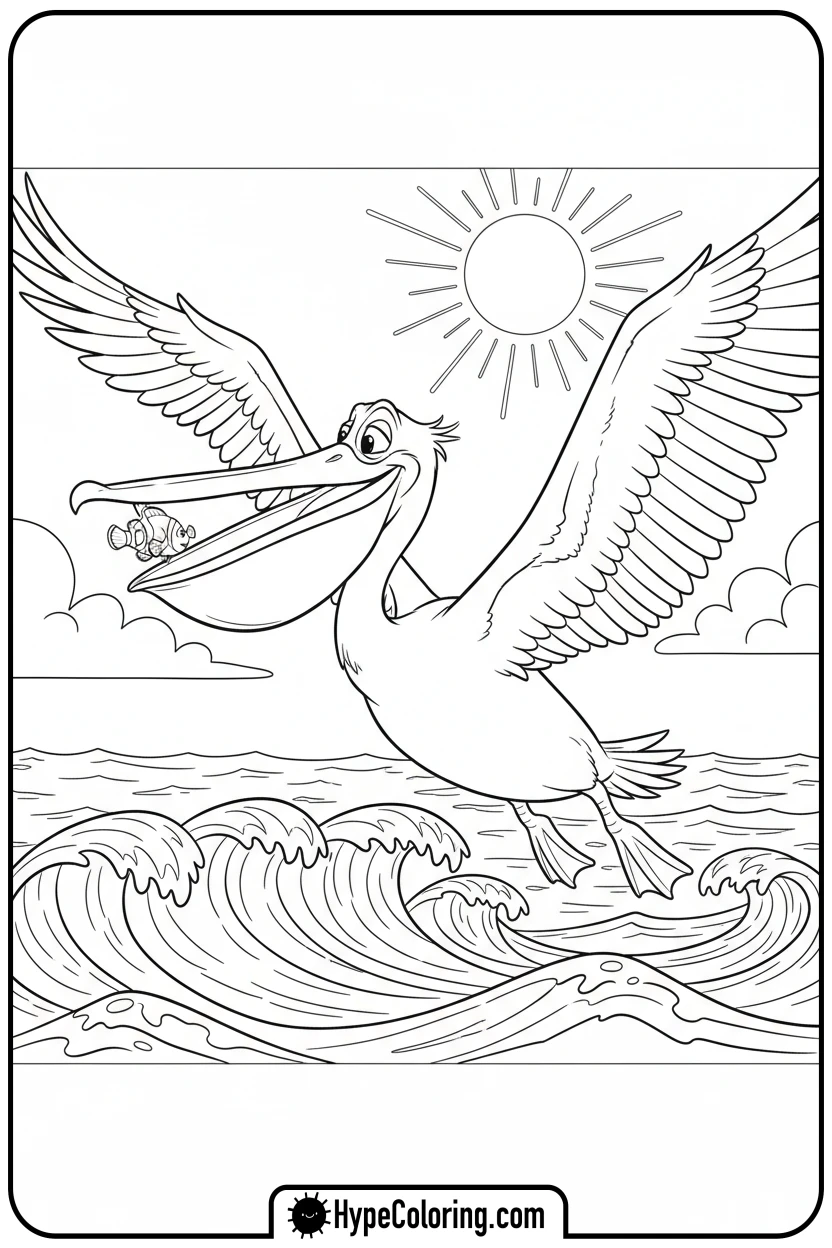
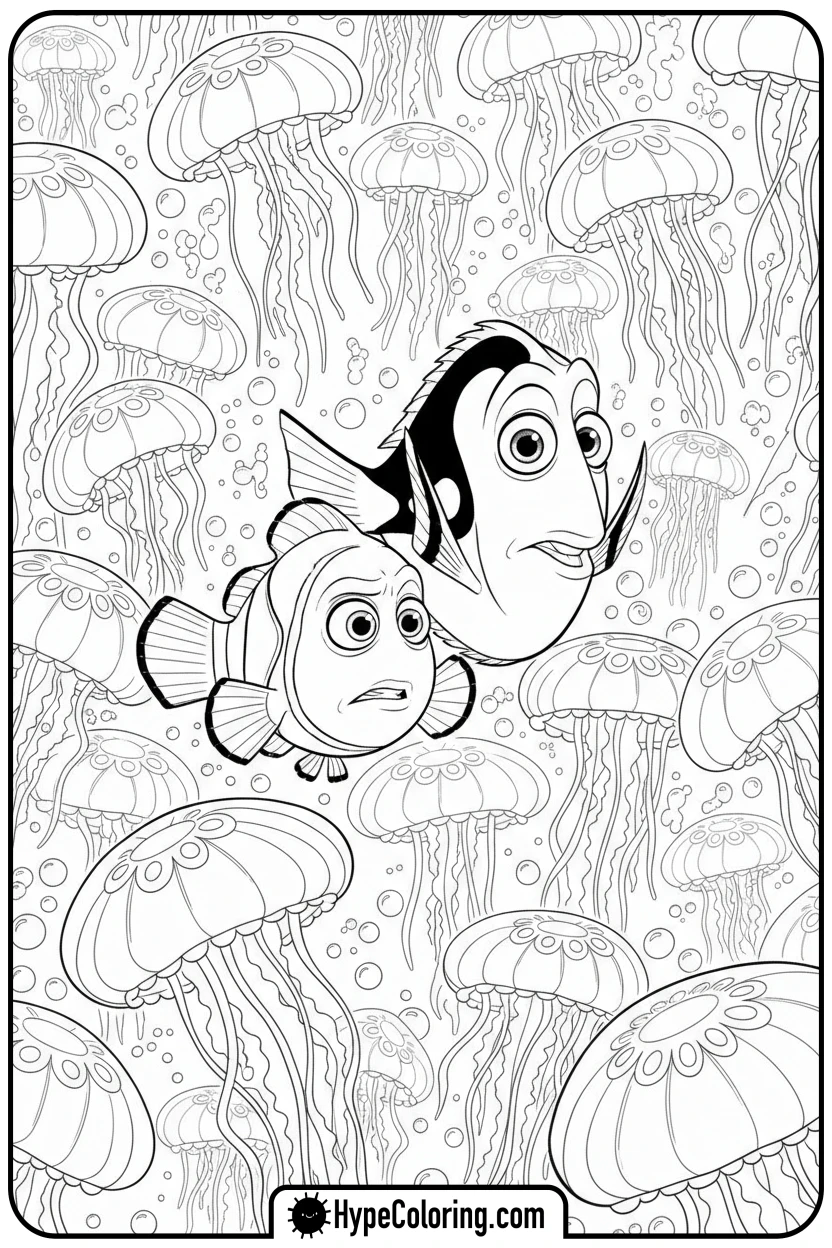
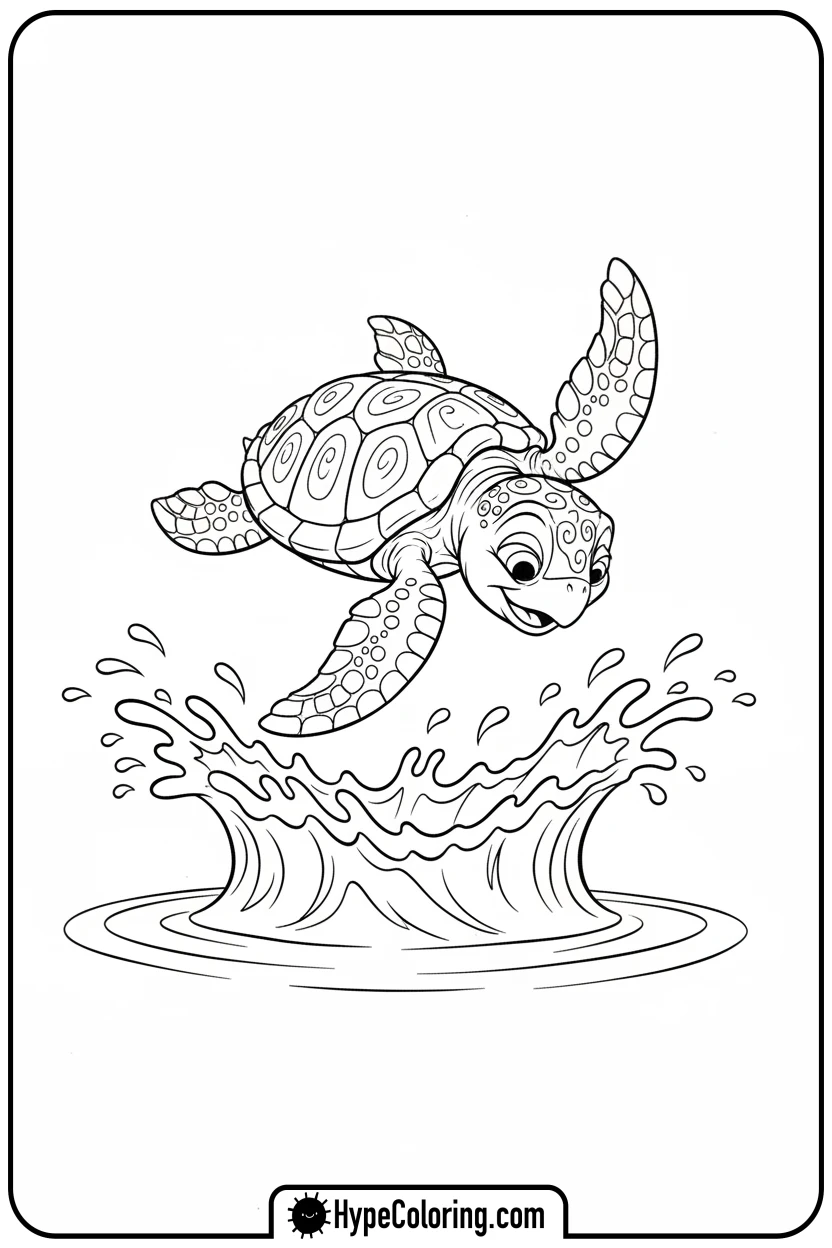
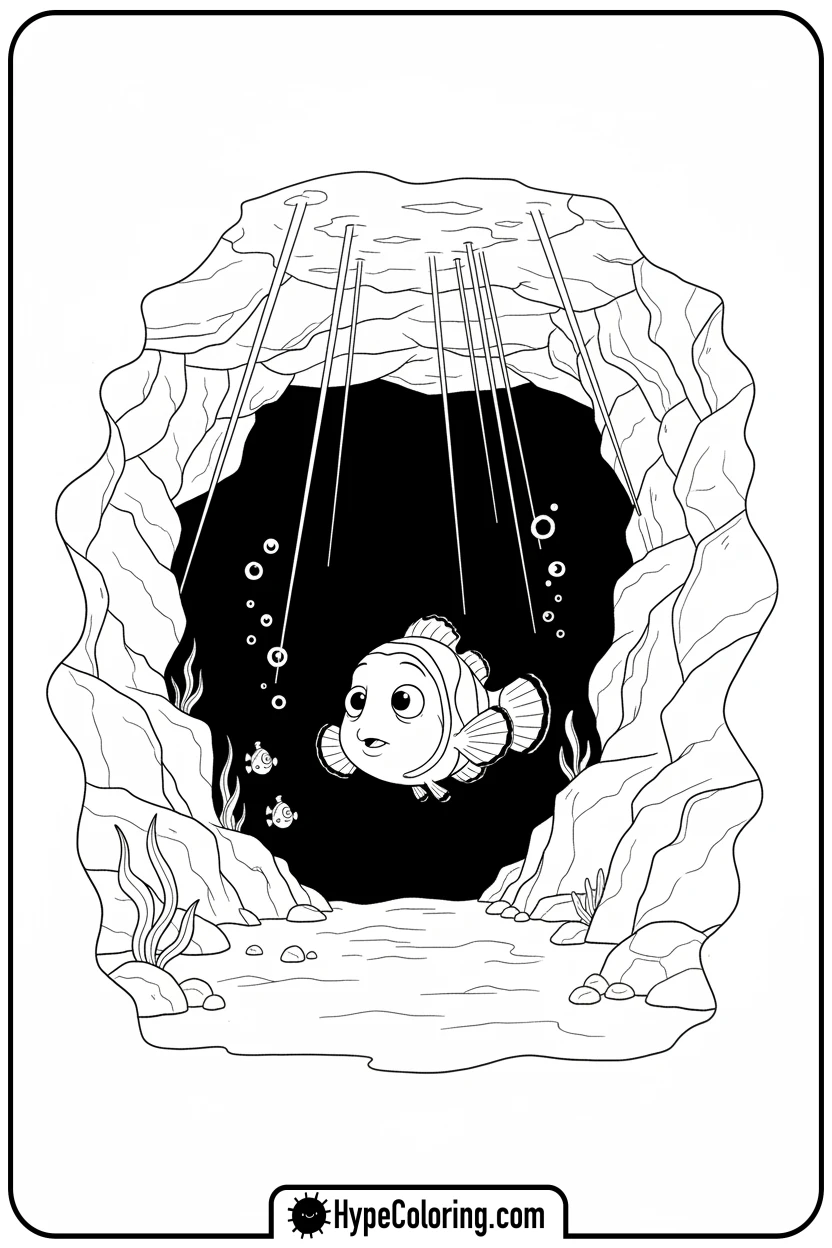
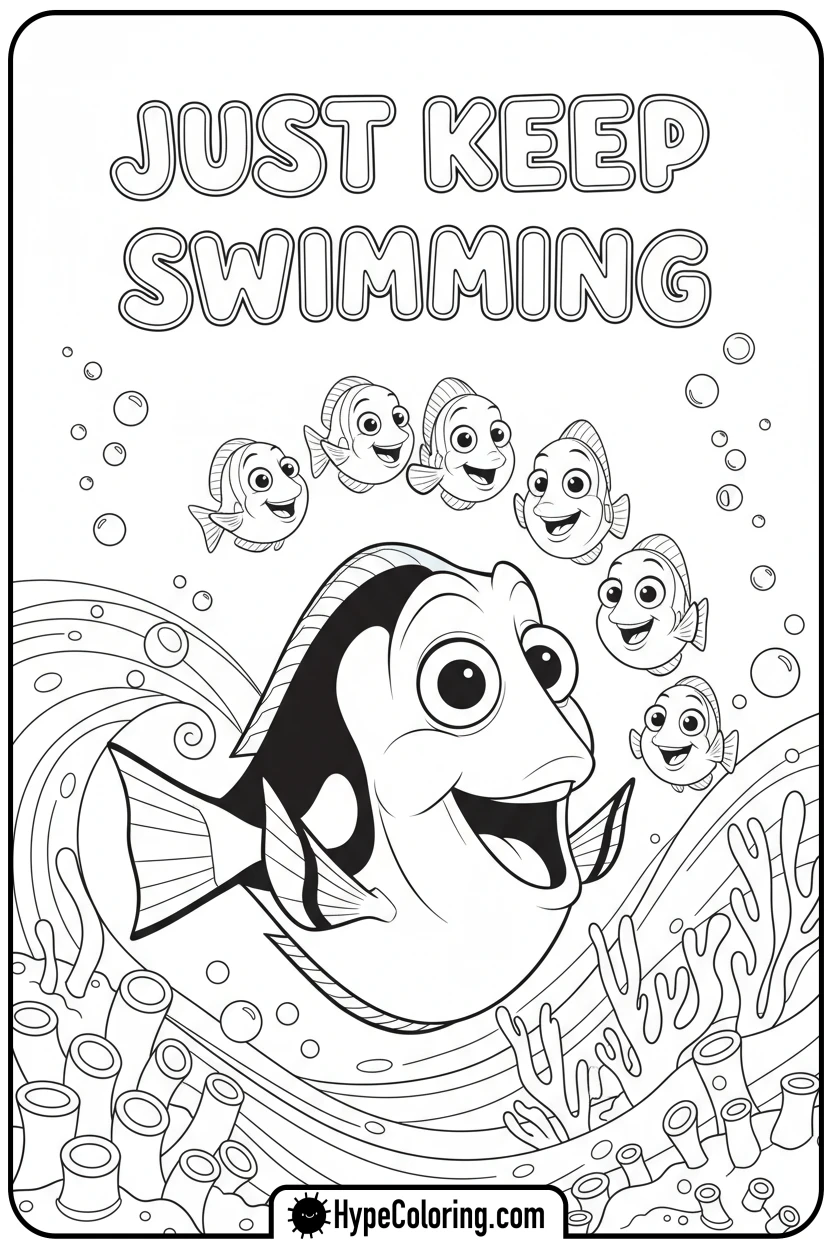
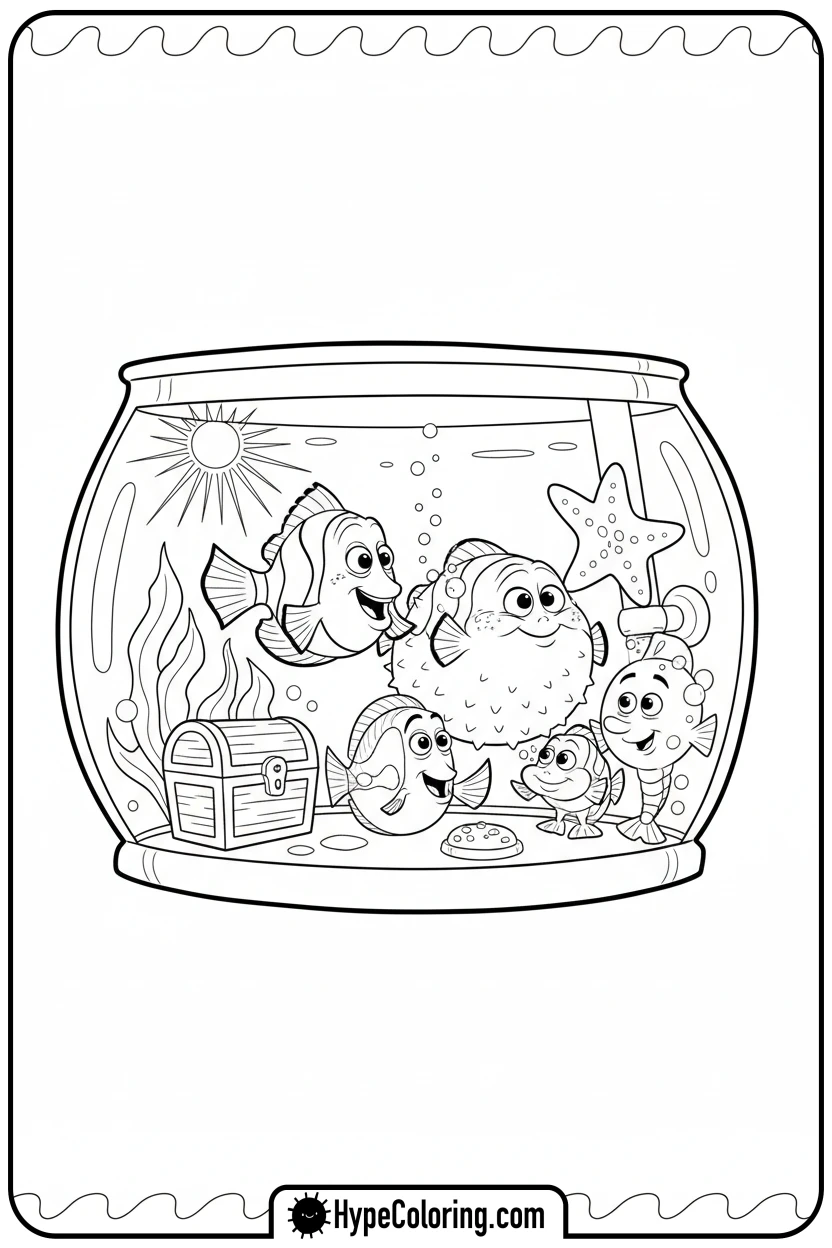
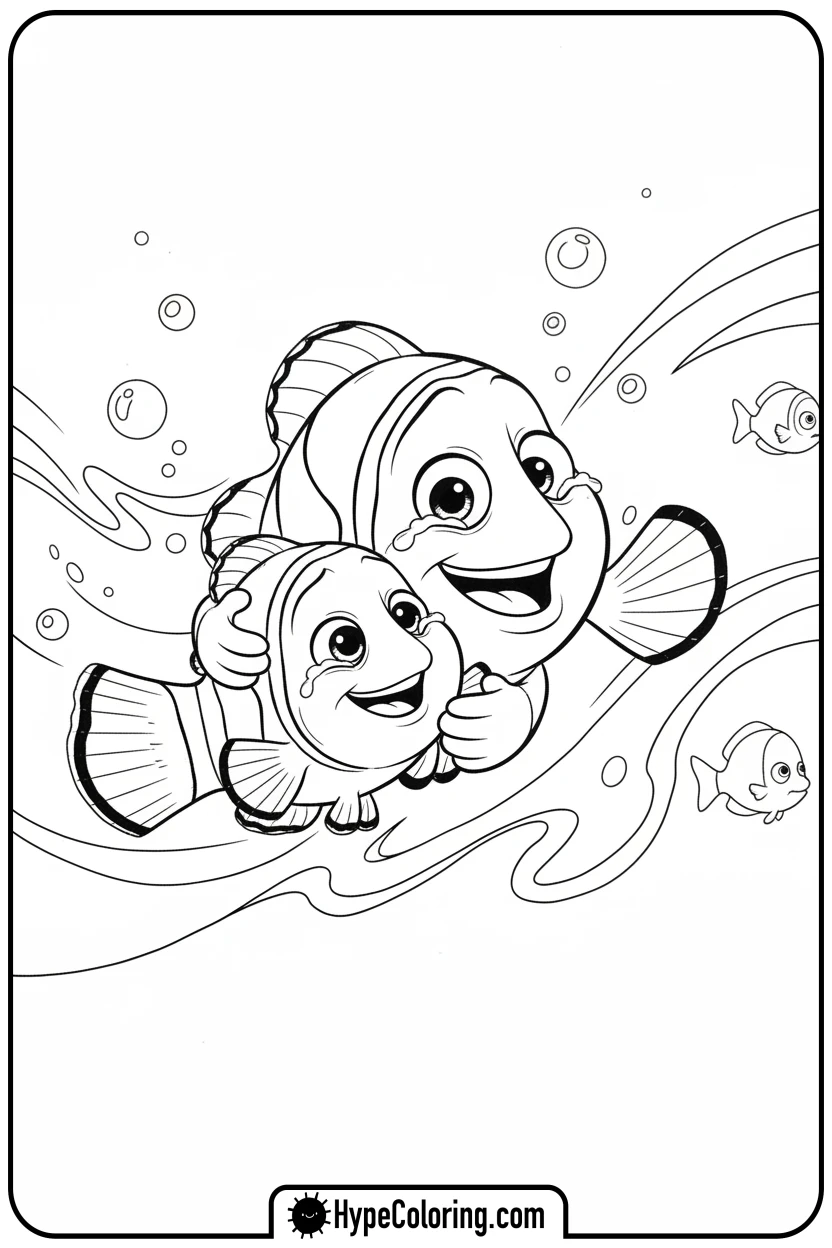
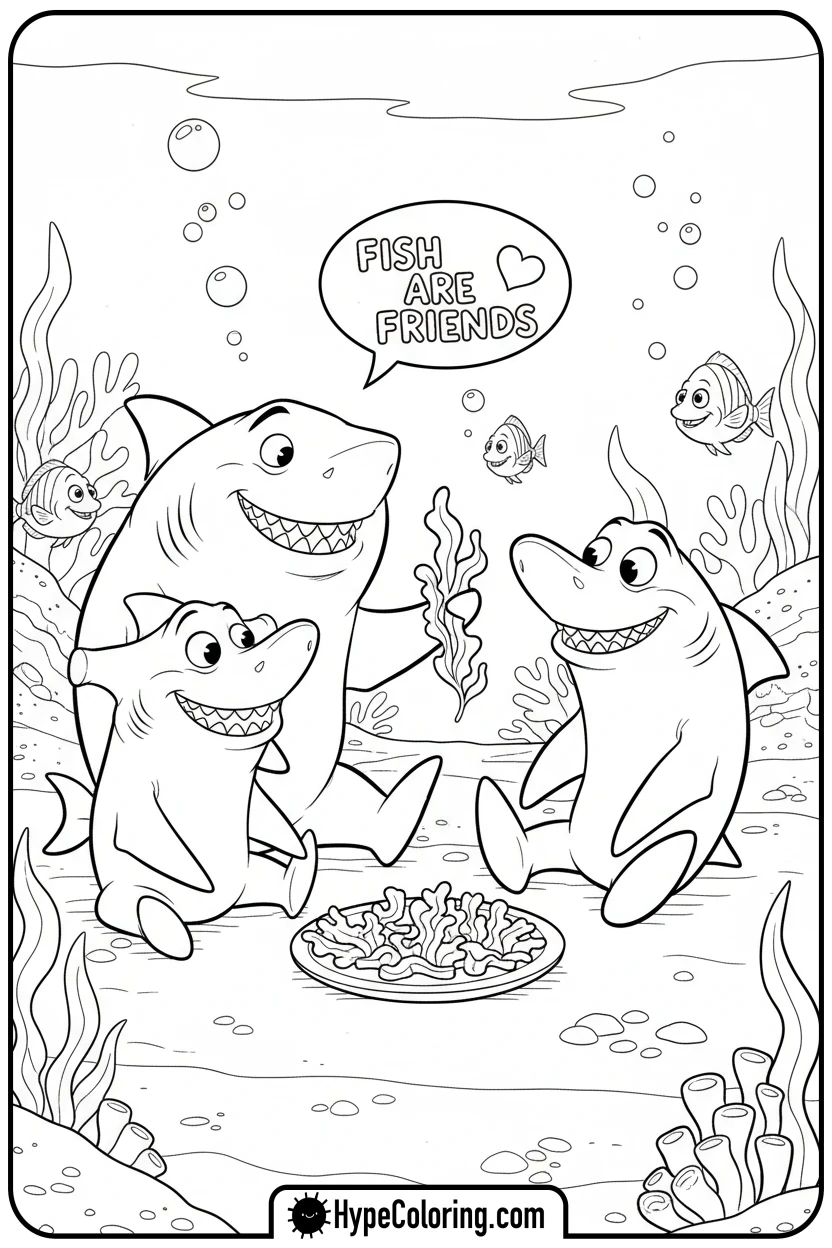
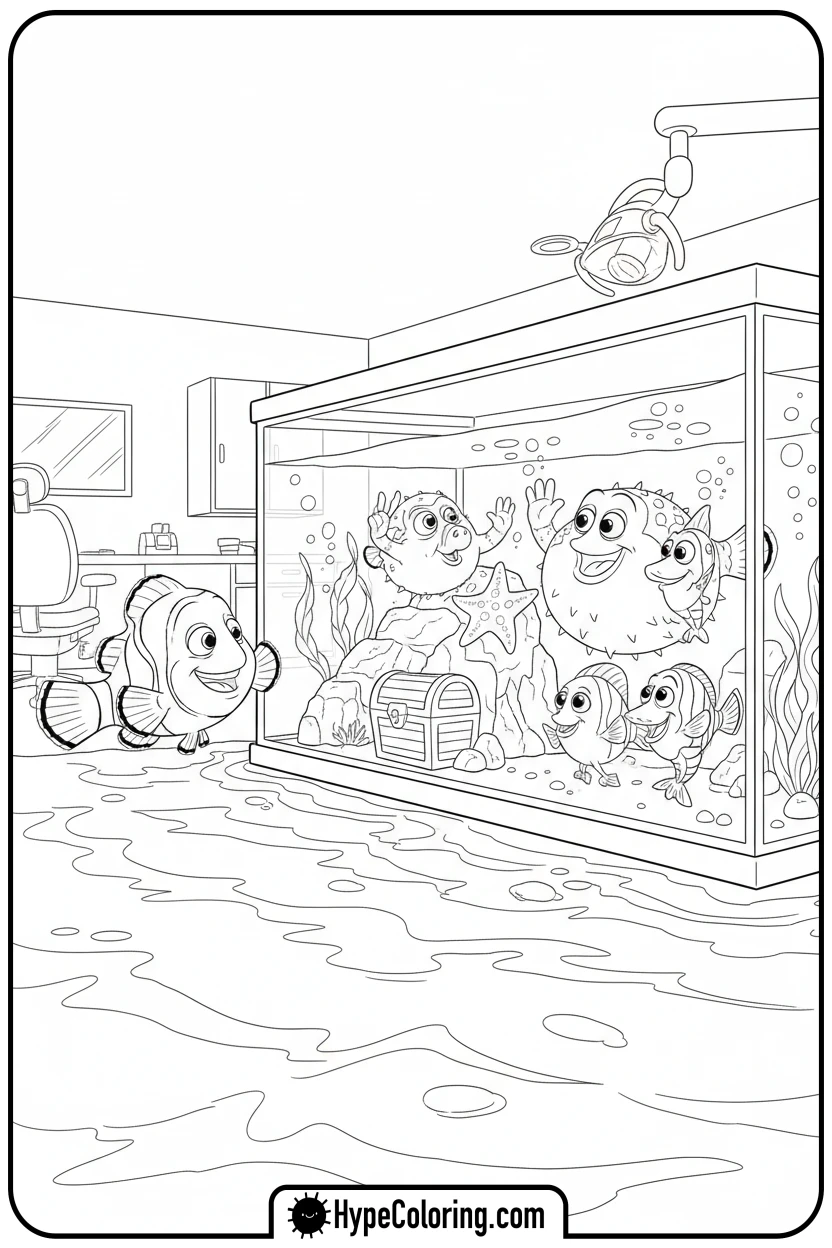
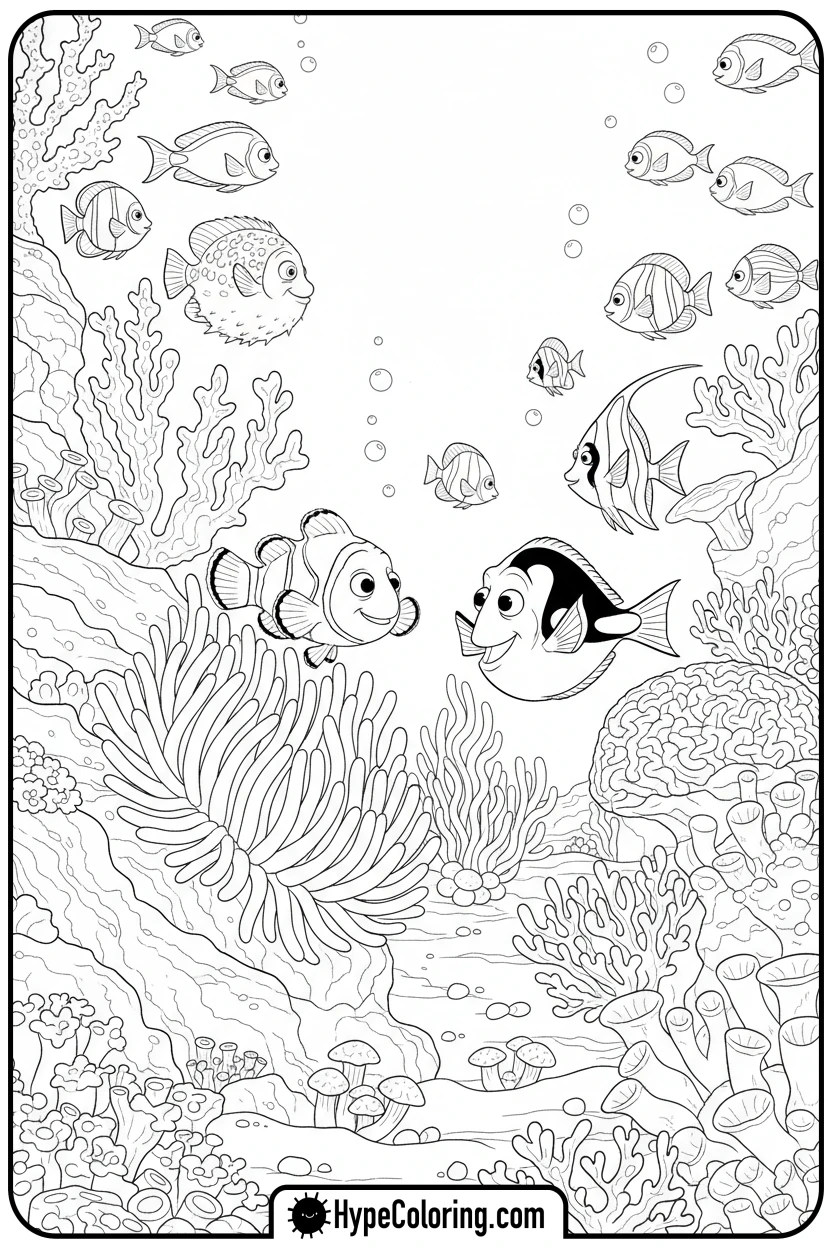
Table of Contents
Finding Nemo Color Pages: Character and Scene Guides
Bringing these free printable fish coloring pages to life requires a good understanding of the characters’ true colors and the vibrant world they inhabit. Here’s a detailed guide to help you color your way through the ocean.
Nemo the Clownfish
Nemo is an Ocellaris Clownfish, a species known for its symbiotic relationship with sea anemones. A fascinating fact about clownfish is that they are protandrous hermaphrodites; they are all born male and can change sex to female if the dominant female in their group dies. This unique biological trait highlights the natural wonders of the ocean that inspired Finding Nemo.
For Nemo, you’ll need bright orange for his body, crisp white for his three vertical stripes, and thin black outlines for those stripes. His “lucky fin” is often depicted with a slightly paler orange or even a touch of light blue, reflecting its unique nature. With colored pencils, use smooth, curved strokes to fill in the orange, ensuring an even base. Then, carefully add the white stripes, followed by precise black lines to define them. These finding nemo color pages feature Nemo prominently in designs #1, #6, #8, #11, #14, #17, #19, and #20.
Marlin the Clownfish
Marlin, Nemo’s overprotective father, is also an Ocellaris Clownfish. His journey across the ocean to find Nemo is a testament to parental love, a theme that resonates deeply with audiences worldwide. His character arc shows him learning to trust and let go, a powerful message for any parent.
Marlin’s colors are similar to Nemo’s but can be a slightly deeper, more mature orange to distinguish him, especially in scenes where they are together. He also has white stripes with black outlines. For Marlin, using crayons with firm, even pressure will create a solid, consistent orange base. You can then use a finer-tipped black crayon or colored pencil for the stripe outlines. You’ll find Marlin in designs #2, #7, #12, #17, and #20 of these engaging finding nemo color pages.
Dory the Blue Tang
Dory, the lovable and forgetful Pacific Regal Blue Tang, is instantly recognizable by her vivid colors. While her short-term memory loss is exaggerated for comedic effect in the film, real blue tangs are indeed vibrant and can be quite curious. You can learn more about this captivating species, Paracanthurus hepatus, on her Wikipedia page.
For Dory, you’ll need a vivid royal blue for her main body, a bright yellow for her tail fin and pectoral fins, and a distinctive black stripe that runs from her snout to her tail. Her large eyes are typically a bright blue. Markers work exceptionally well for Dory; use a fine-tip black marker for her stripe, then fill in the expansive blue and yellow areas with broader marker strokes for a smooth, intense finish. Dory appears in designs #2, #4, #12, #15, and #20.
Crush and Squirt the Sea Turtles
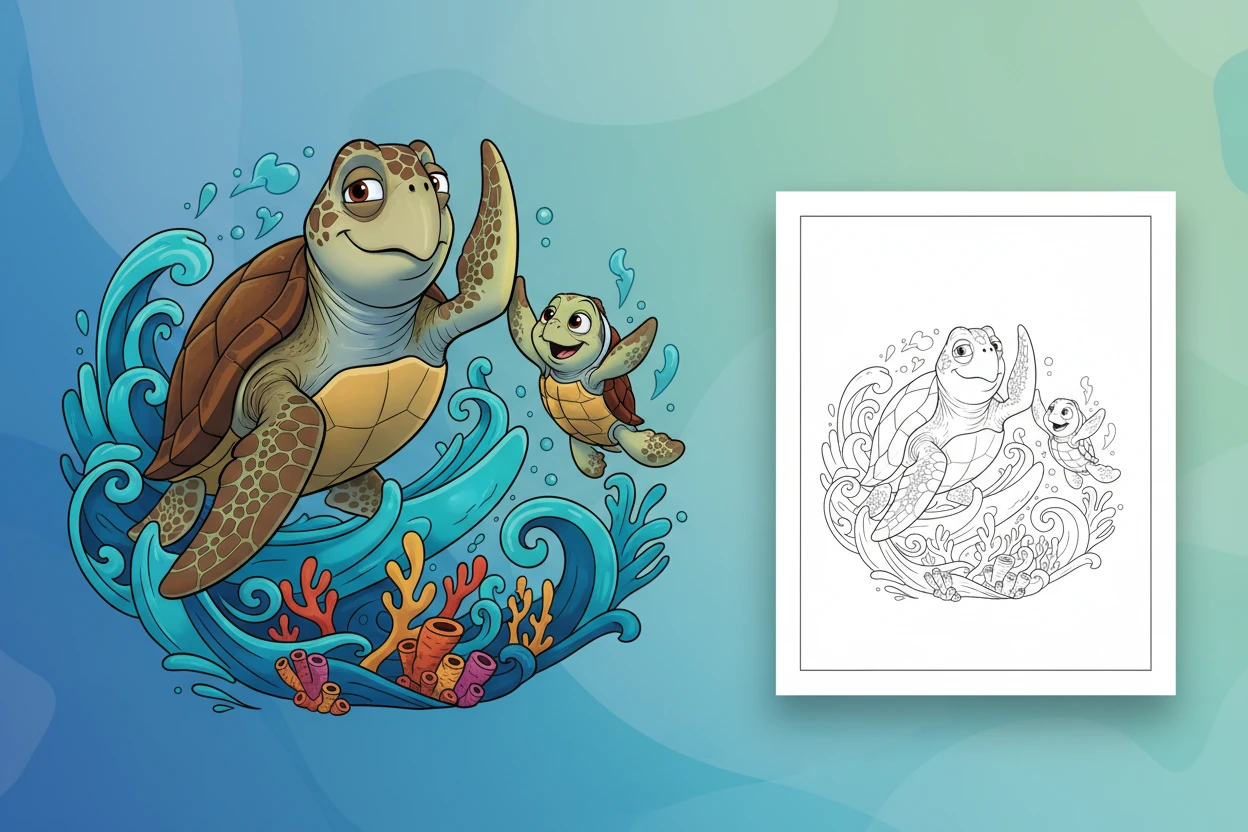
Crush, the radical sea turtle, and his son Squirt, embody the laid-back, “dude” attitude of the ocean. They are Green Sea Turtles, known for their incredible migratory journeys and long lifespans. The East Australian Current (EAC) they ride is a real and powerful ocean current, crucial for many marine species. More fascinating facts about the life and travels of sea turtles are available on the National Geographic website.
Crush’s shell and skin require various shades of olive green, moss green, and even some earthy browns for texture. Squirt is a lighter, brighter green, reflecting his youthful energy. Both have warm brown eyes. When coloring these characters, especially Crush’s shell, use colored pencils to layer different greens and browns. Apply varying pressures to create a natural, textured look that mimics a sea turtle’s ancient carapace. You can find Crush and Squirt in designs #3, #7, and #13 of these free printable fish coloring pages.
Bruce the Great White Shark
Bruce, the leader of the “Fish are Friends, Not Food” support group, is a great white shark. While real great whites are apex predators, Bruce’s friendly portrayal highlights the movie’s theme of overcoming stereotypes. His big, toothy grin is iconic and surprisingly endearing.
For Bruce, you’ll want shades of light gray to silvery-white for his main body, transitioning to darker gray on his dorsal side and a clean white for his belly. His gums are a soft pink, and his teeth are stark white. The “Fish are Friends, Not Food” sign is typically white with bold red lettering. Using crayons, apply a light gray base evenly, then layer darker gray gently on top for shadows and to add dimension to his powerful form. These finding nemo color pages feature Bruce in designs #5 and #18.
The Tank Gang
The eccentric Tank Gang, residents of the dentist’s office aquarium, are a diverse group of fish, a starfish, and a shrimp, each with a unique personality. From Gill’s wisdom to Peach’s observations, they form a close-knit family, united by their desire for freedom. Their colorful appearances offer fantastic opportunities for creative expression in these cartoon coloring pages.
- Gill (Moorish Idol): Bold black, white, and yellow stripes.
- Bloat (Pufferfish): Yellowish-orange, often with a spiky, textured appearance.
- Peach (Starfish): A warm peachy-orange with textured bumps.
- Gurgle (Royal Gramma): A distinct purple front half transitioning to a yellow back half.
- Bubbles (Yellow Tang): A brilliant, uniform yellow.
- Jacques (Cleaner Shrimp): Red and white stripes.
For the Tank Gang, markers are ideal for capturing their distinct, vibrant colors with crisp lines and strong saturation. Use fine-tip markers for the stripes and details, then fill larger areas with broader strokes. You’ll find individual members and the full Tank Gang in designs #8 (Gill), #9 (Peach), #10 (Bubbles), and #16 (all). This variety provides excellent nemo coloring activities.
Nigel the Pelican
Nigel, the kind-hearted pelican, acts as a helpful intermediary between the ocean and the dentist’s office. Pelicans are large water birds, famous for their expandable throat pouches, which they use to scoop up fish. Nigel’s ability to fly over the vast ocean makes him a valuable source of information.
Nigel’s feathers are predominantly white or a very light gray. His large beak and throat pouch are typically a yellowish-orange. His eyes are dark and keen. With colored pencils, focus on creating form and shadow rather than solid color for his white feathers. Use very light gray to define the contours, especially under his wings and around his body, making him look three-dimensional without losing his white appearance. Nigel is featured in design #11 of these finding nemo color pages.
Jellyfish Field Scene
The perilous journey through the jellyfish field is one of the most visually striking and suspenseful moments in the movie. Jellyfish are ancient marine creatures, mostly composed of water, and while they appear ethereal, many species possess stinging tentacles. Marlin and Dory’s encounter highlights both the beauty and danger of the deep ocean.
Jellyfish can be colored with translucent pastels like light pink, purple, or blue, allowing the paper to show through to give them a watery, ethereal quality. Their tentacles often have subtle color variations. The surrounding water should be a deep, mysterious blue, becoming darker the deeper you go. For this scene, use crayons with light, circular strokes for the jellyfish bodies. Then, layer different shades of blue for the water, gradually building depth and intensity around them. This particular scene is captured in design #12.
Vibrant Coral Reef Scene
The opening and closing scenes of Finding Nemo showcase the breathtaking beauty of the coral reef, an ecosystem teeming with life. Often called the “rainforests of the sea,” coral reefs are incredibly biodiverse, formed by tiny animals called polyps. They provide a vital home for countless marine species, including our clownfish and blue tang friends.
Coral comes in an astonishing array of colors: vibrant pinks, deep purples, sunny yellows, fiery oranges, rich greens, and bright reds. The water in the reef should be a clear, bright turquoise or light blue, filled with various small, colorful fish. To bring this scene to life, combine markers for bold base colors on the coral structures, then add intricate details, textures, and shading with colored pencils. This layering technique will give the coral depth and a realistic, organic feel. You can truly make design #20 a masterpiece of ocean coloring pages.
Creative Nemo Coloring Activities
Once you’ve finished coloring these free finding nemo color pages, the fun doesn’t have to end! Here are a couple of ideas to extend your creative play:
- Create Your Own Ocean Mobile: Cut out your favorite colored characters like Nemo, Dory, and Crush. Punch a small hole at the top of each cutout and thread a piece of string through it. Attach these strings to a hanger or a couple of crossed sticks to create a hanging mobile that brings the vibrant ocean into your room.
- Design a “Missing” Poster for Nemo: After coloring a picture of Nemo (perhaps design #1 or #14), glue it onto a larger sheet of paper. Then, add text like “HAVE YOU SEEN THIS FISH?” or “MISSING: Small Clownfish” with details like his “lucky fin” and where he was last seen. This can be a fun way to retell the story and practice creative writing, using your nemo coloring activities as a centerpiece.
We hope you enjoy these finding nemo color pages and that they inspire your creativity and love for the ocean.