
We offer a wide collection of free, high-quality printable coloring pages for kids and adults. From cute animals to intricate mandalas, our designs bring creativity and relaxation to everyone. Download, print, and start coloring today!
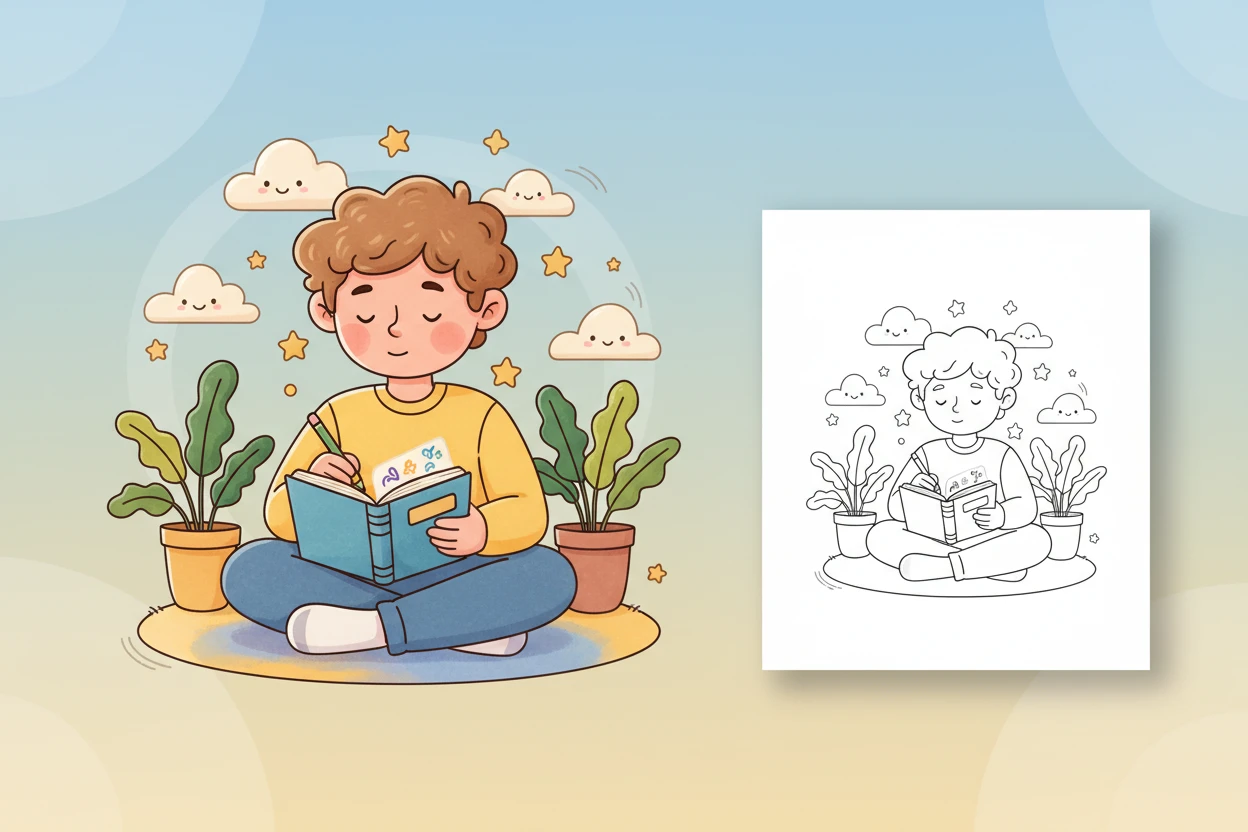
This collection of 20 mental health coloring pages offers a thoughtful blend of scenes and activities designed to promote well-being for all ages. Crafted to encourage stress relief, mindfulness, and creative expression, these printable pages provide a gentle invitation to pause and engage in a calming activity. These unique mental health coloring pages are perfect for anyone seeking a moment of peace through art.
Using the right tools can truly enhance your experience with these free printable mental health coloring pages. For detailed designs, colored pencils allow for subtle shading and precise control, perfect for intricate patterns or soft gradients that evoke calm. Crayons are excellent for covering larger areas with vibrant, consistent color, providing a satisfying tactile experience for mindfulness. Markers offer bold, immediate color, ideal for designs where strong visual impact helps anchor your focus. Experiment to find what feels most grounding for your personal journey with these stress relief coloring pages.
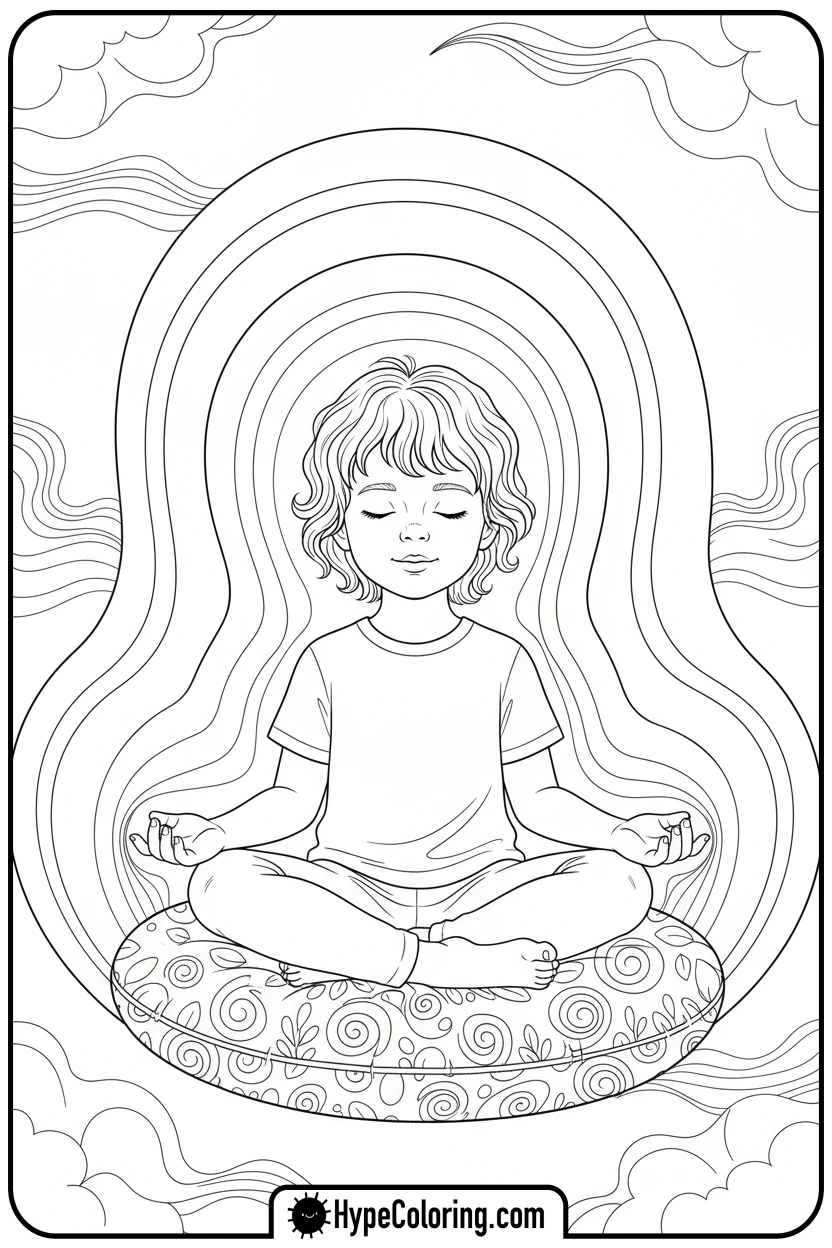
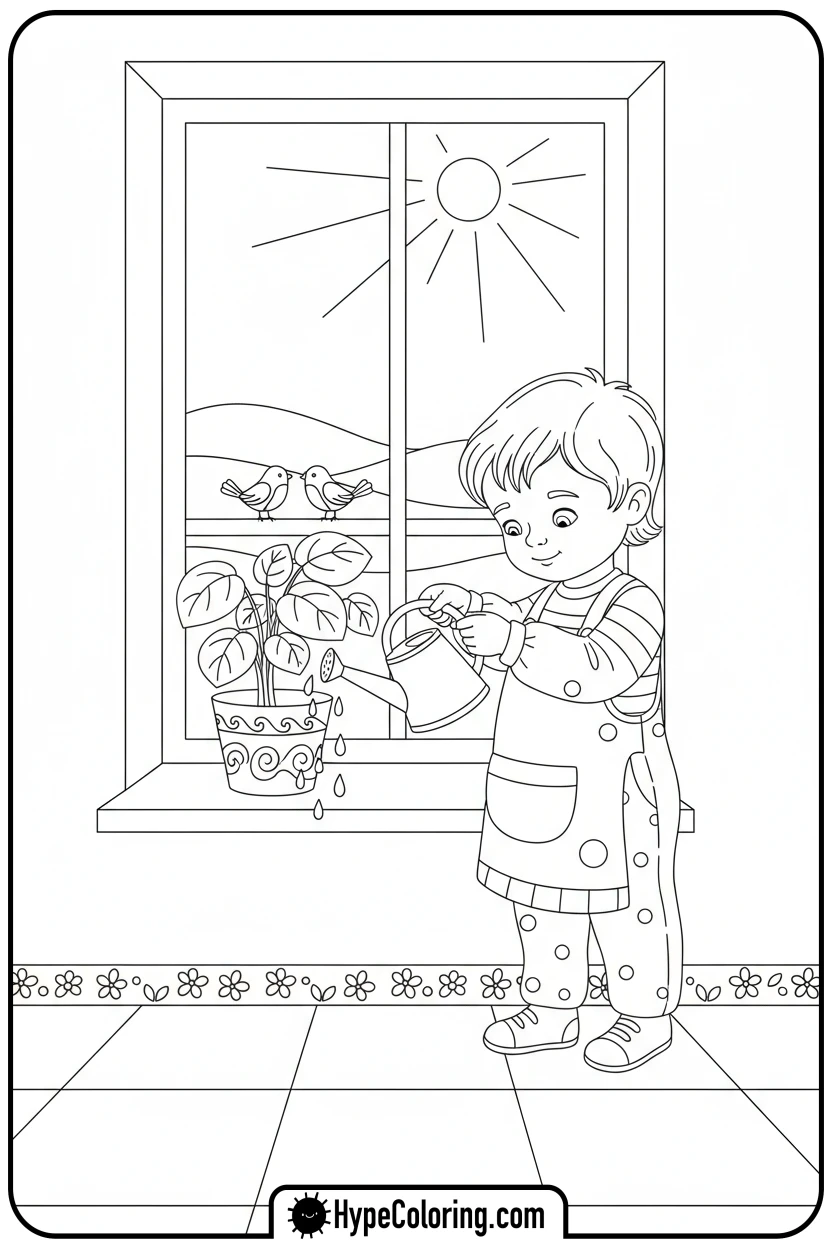
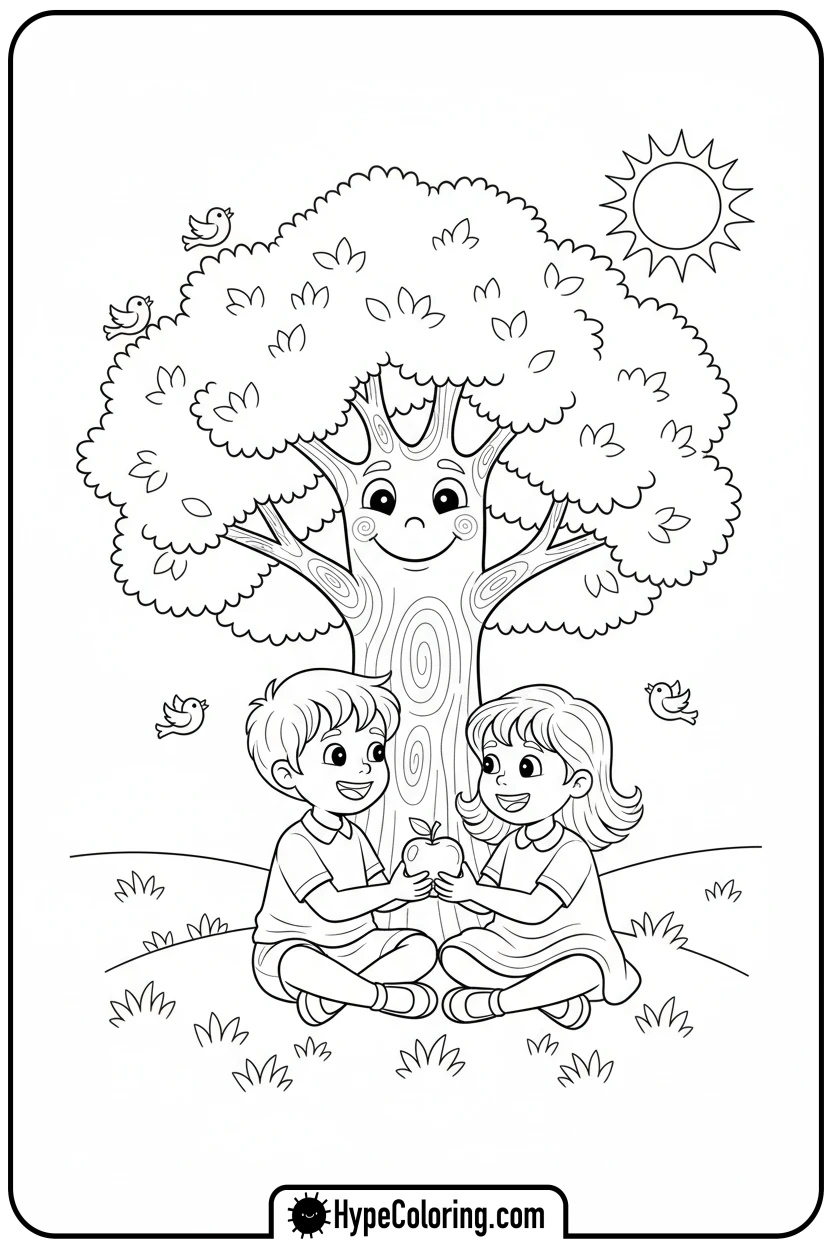
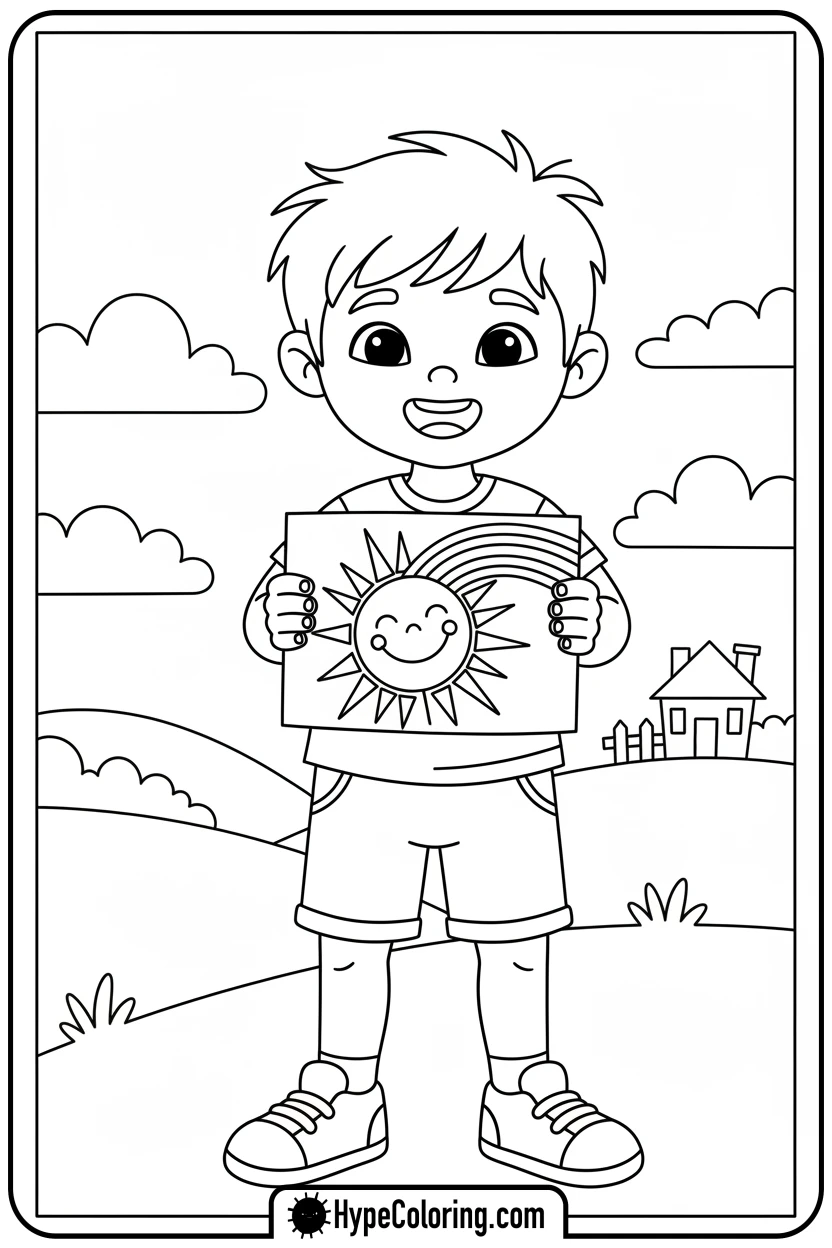
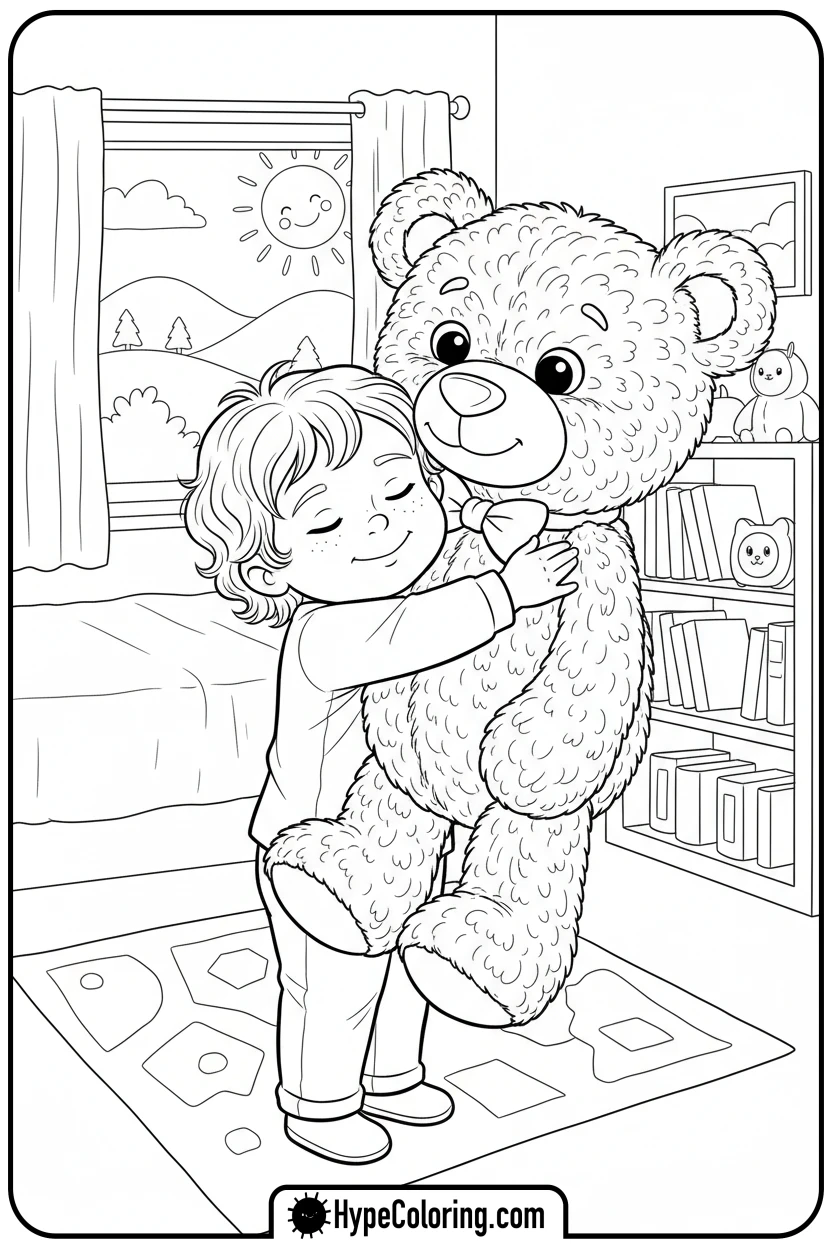
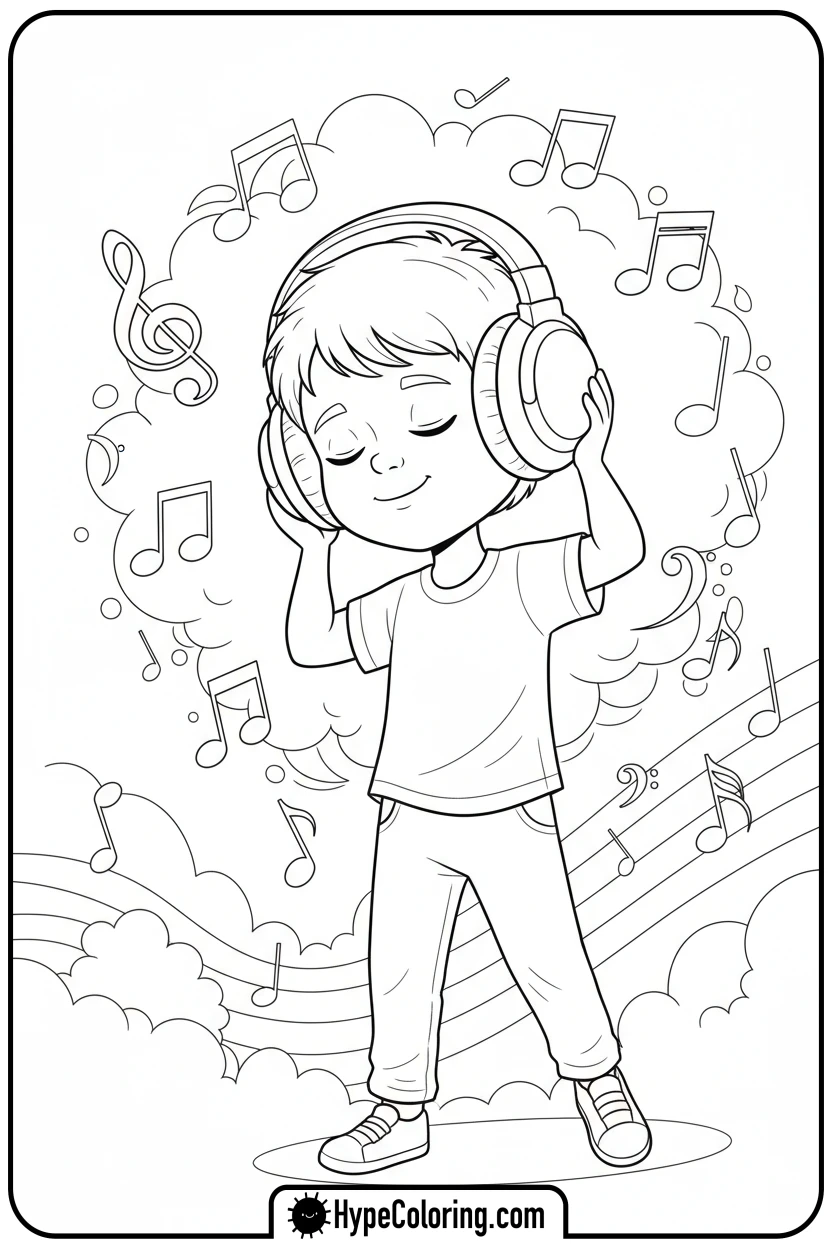
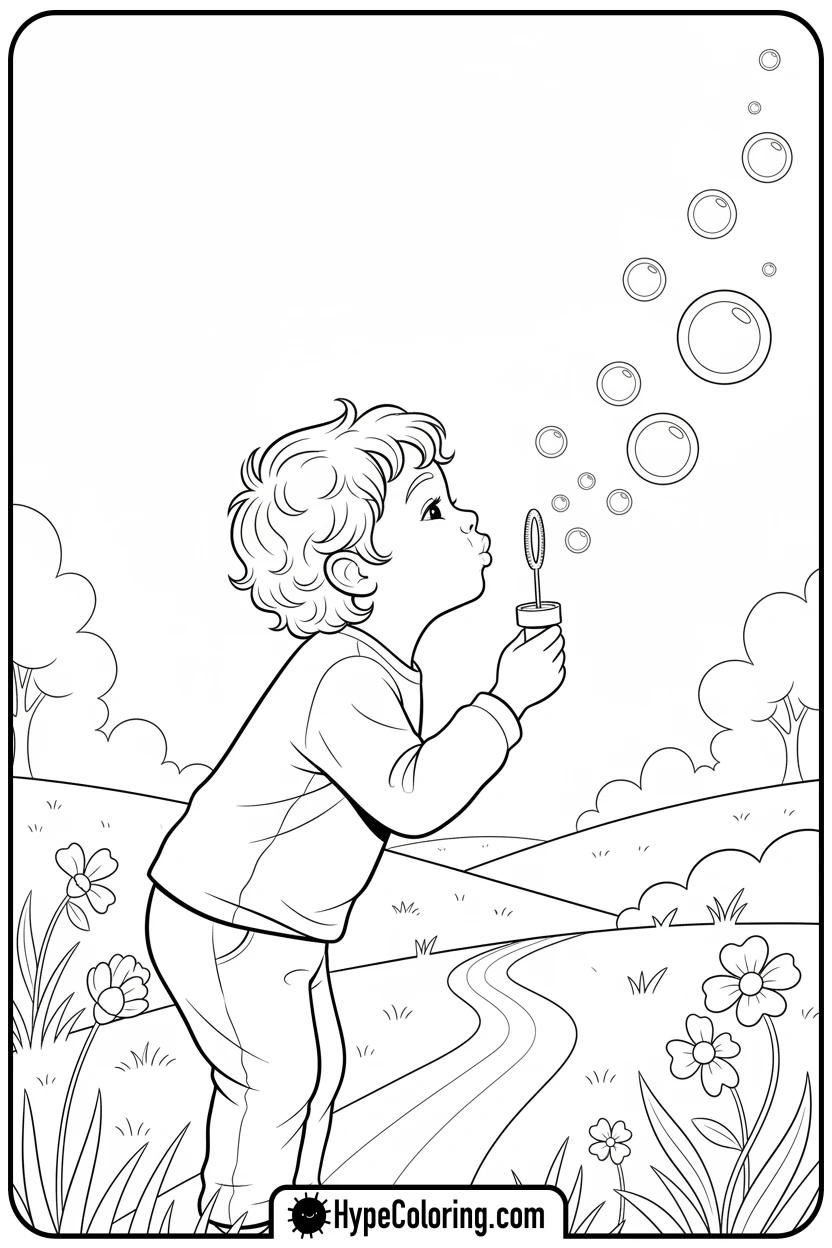
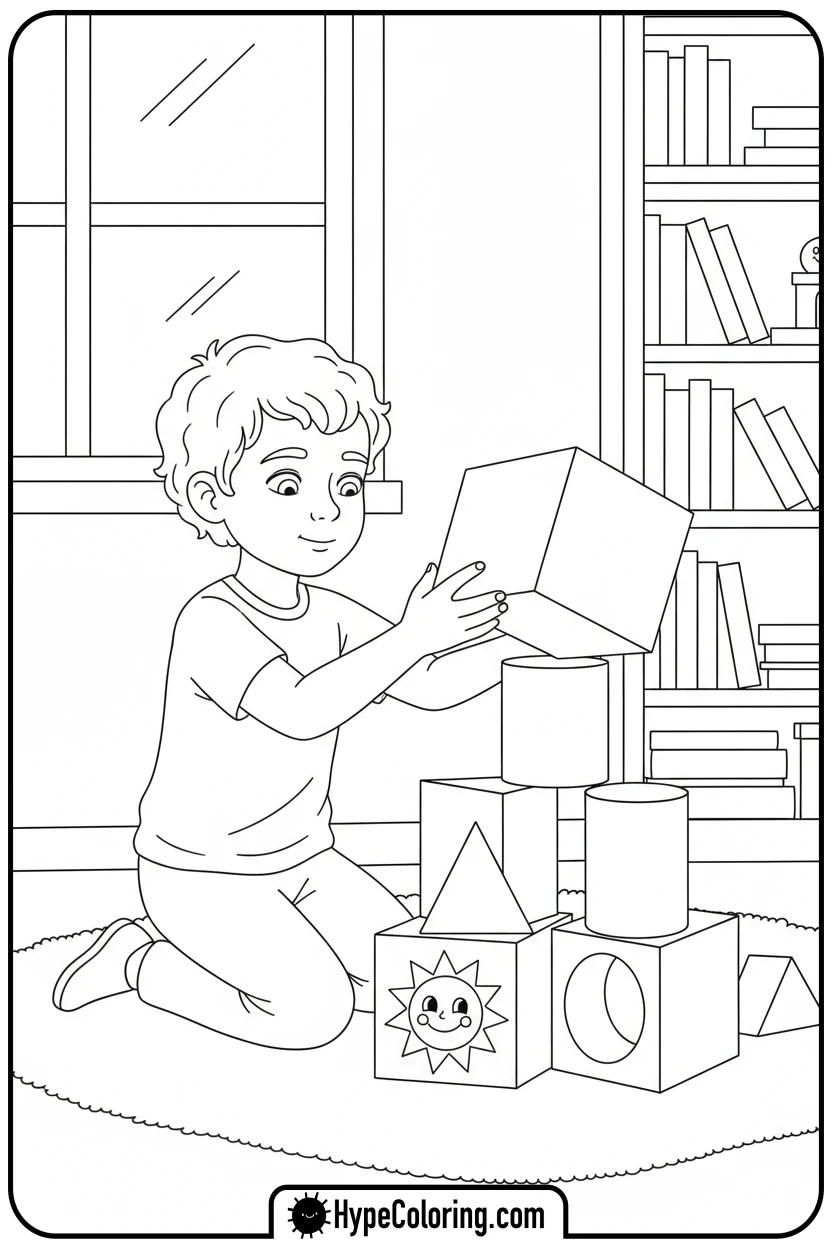
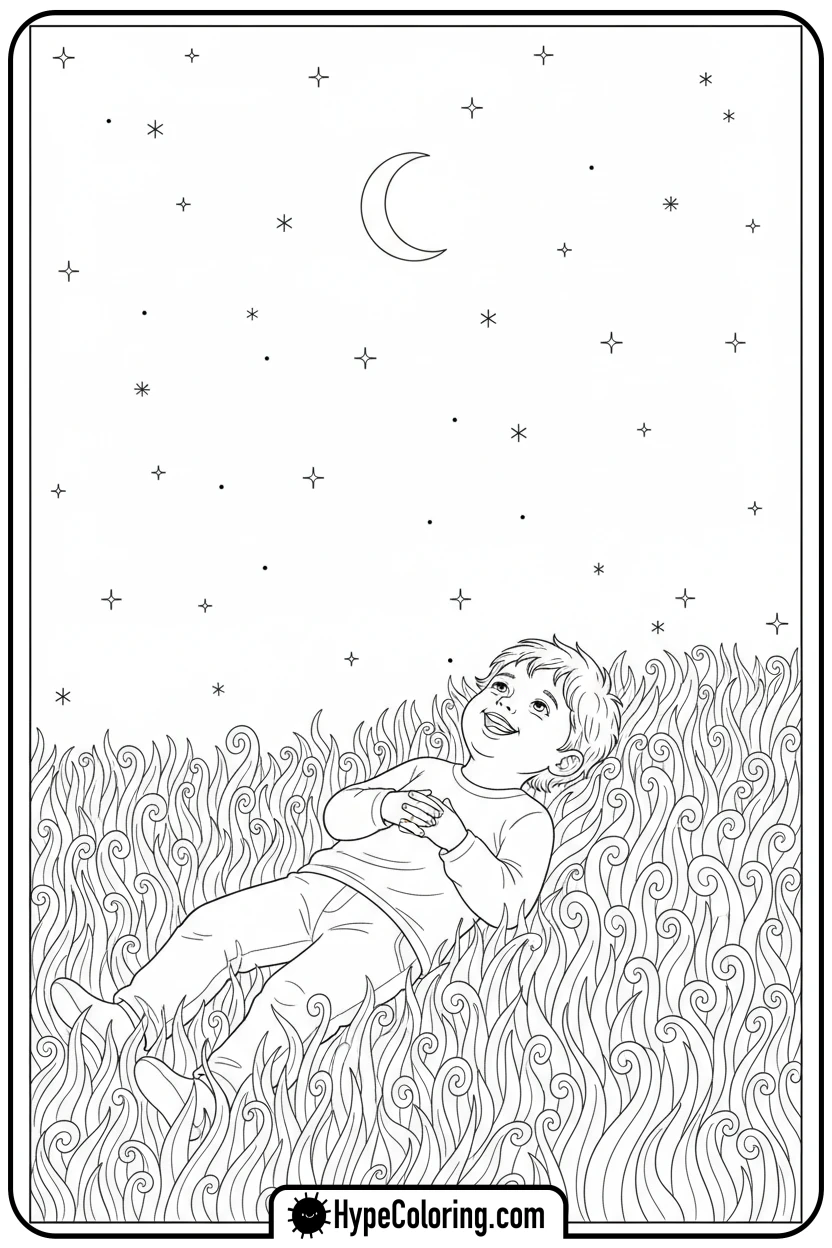
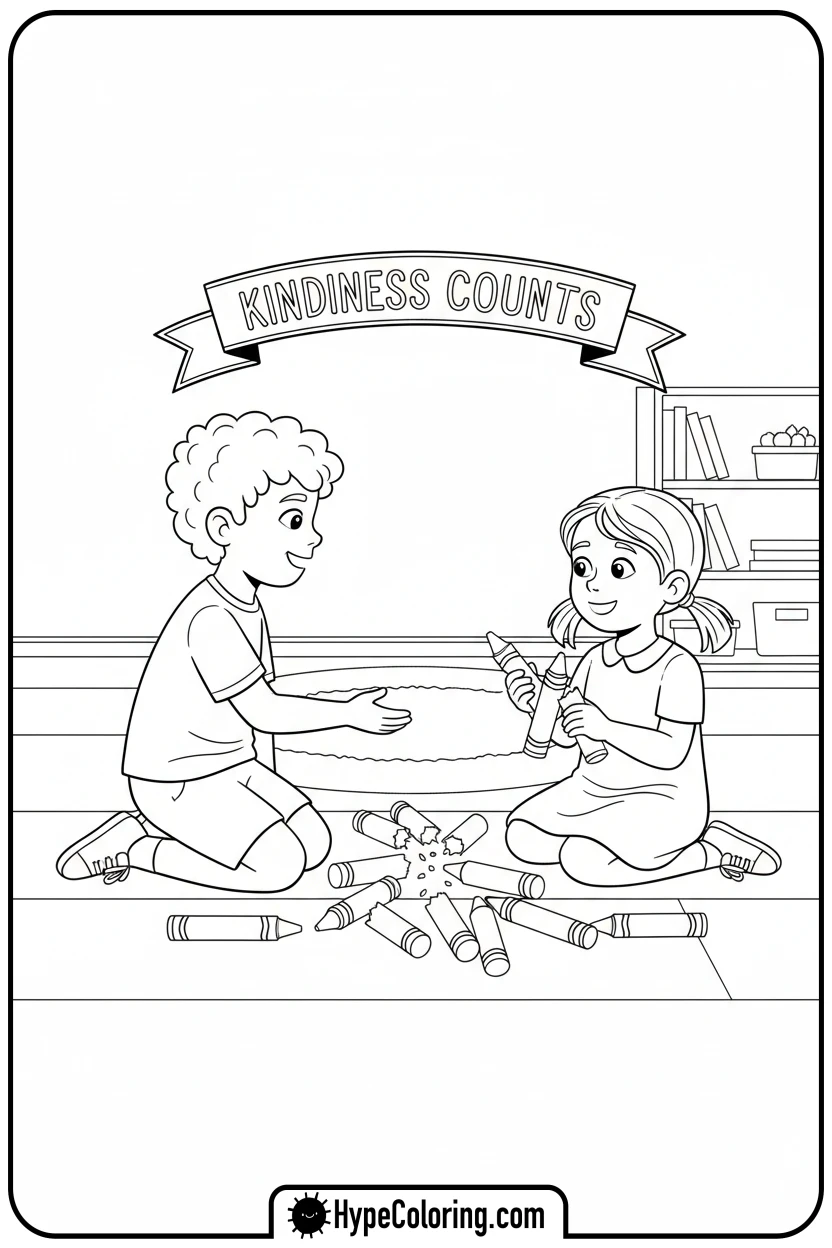
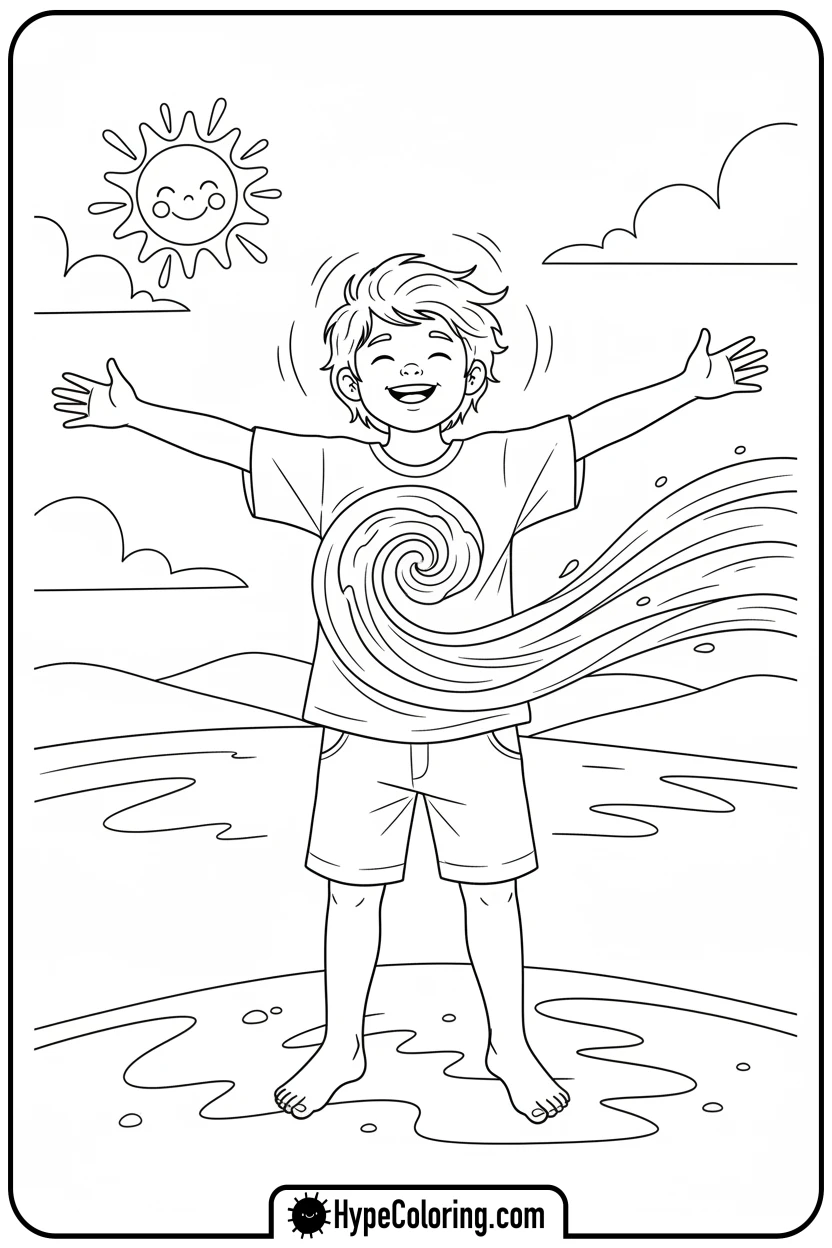
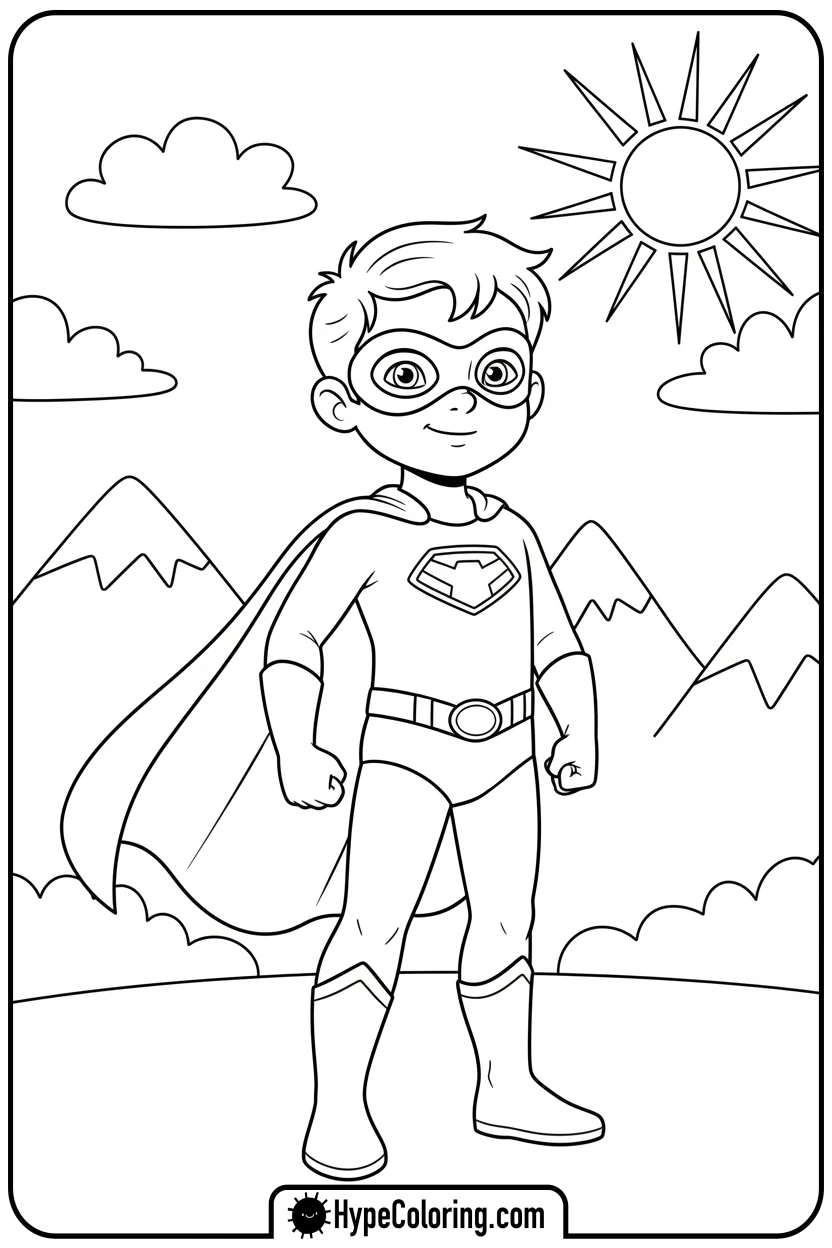
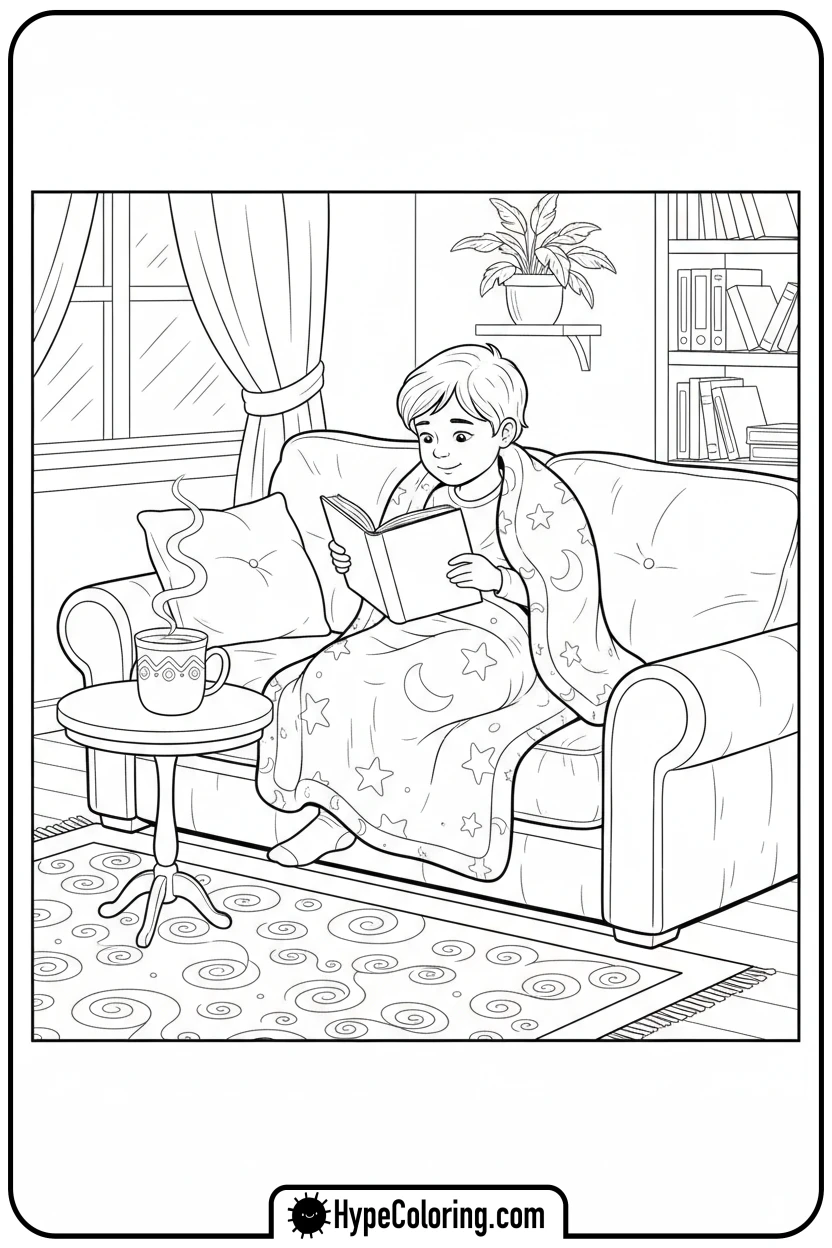
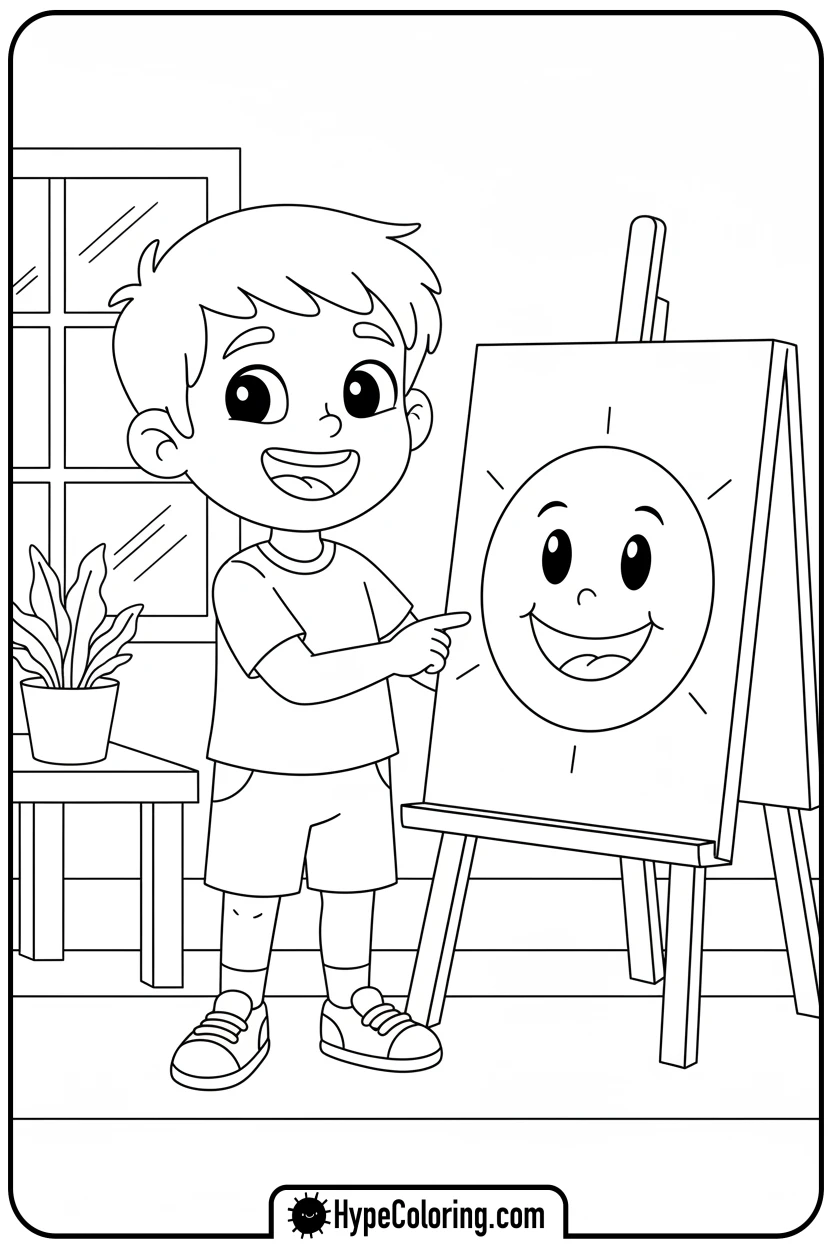
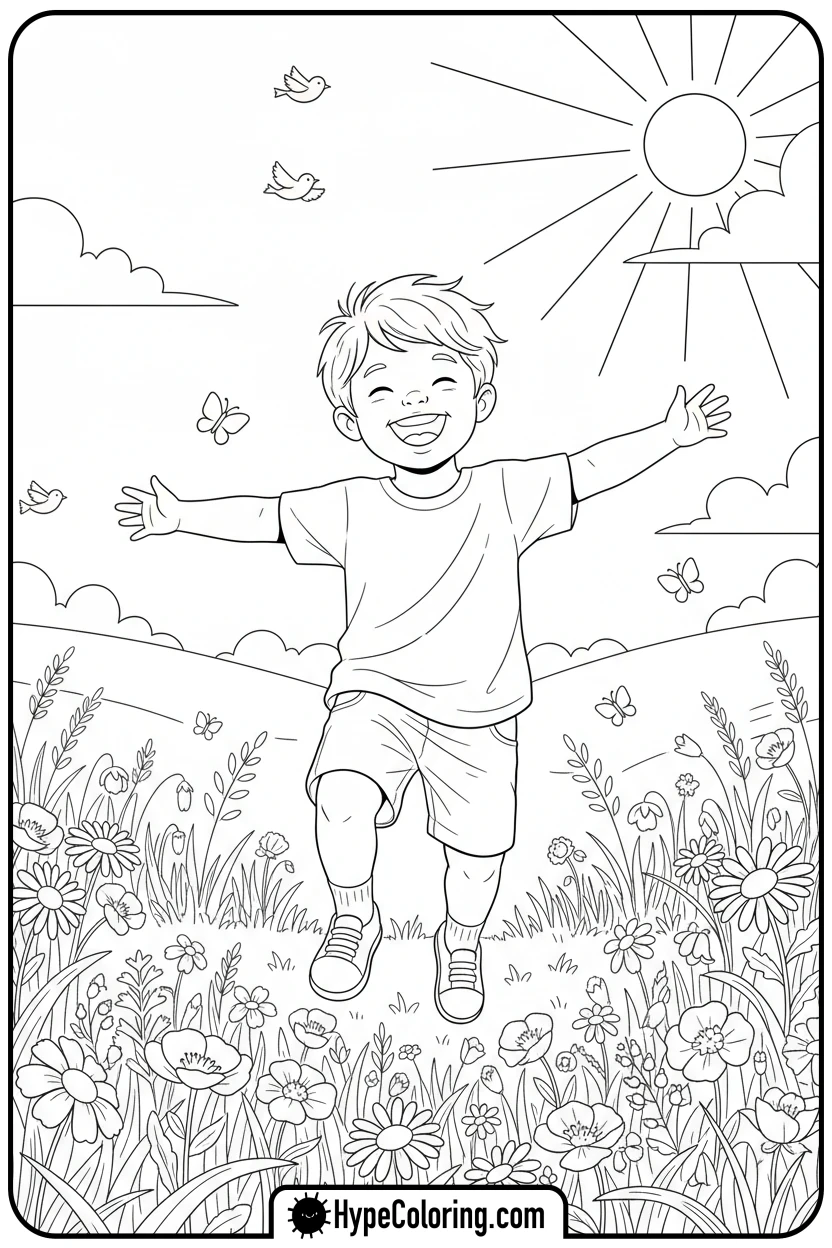

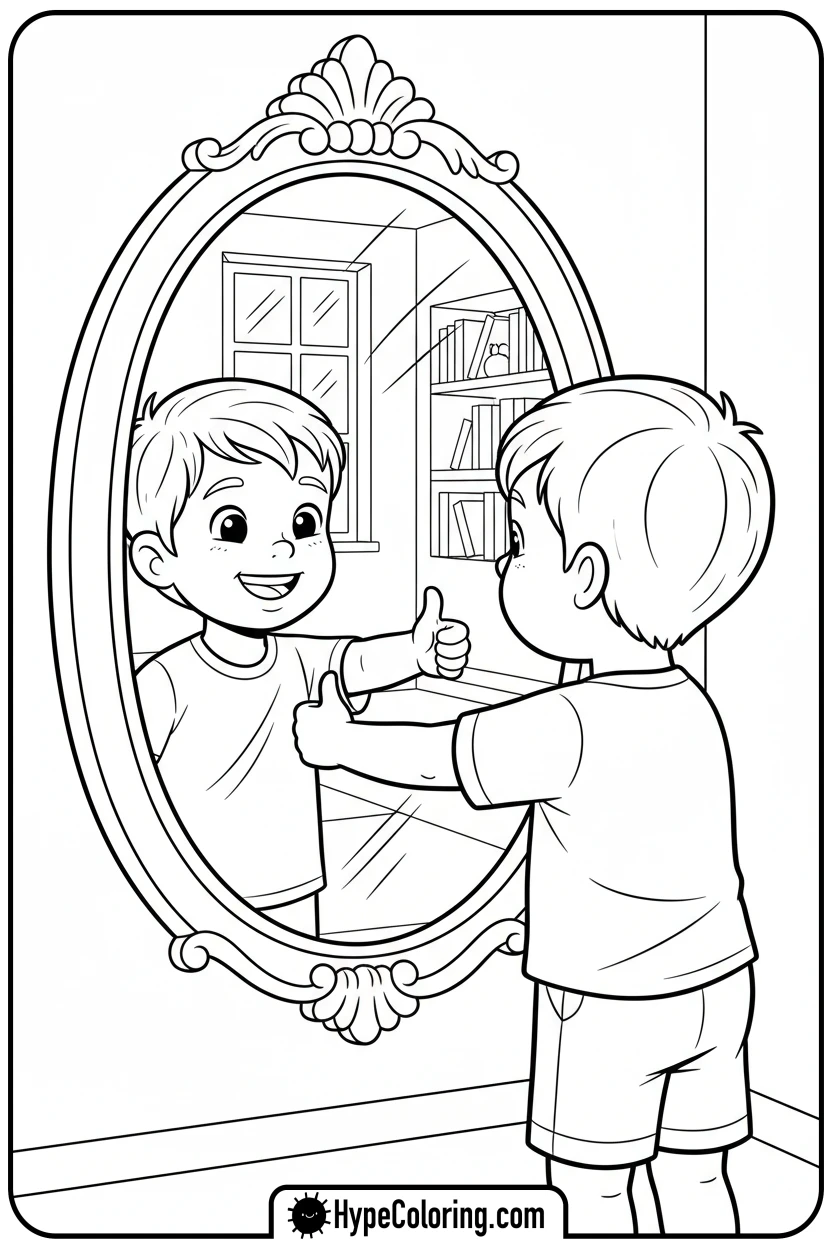
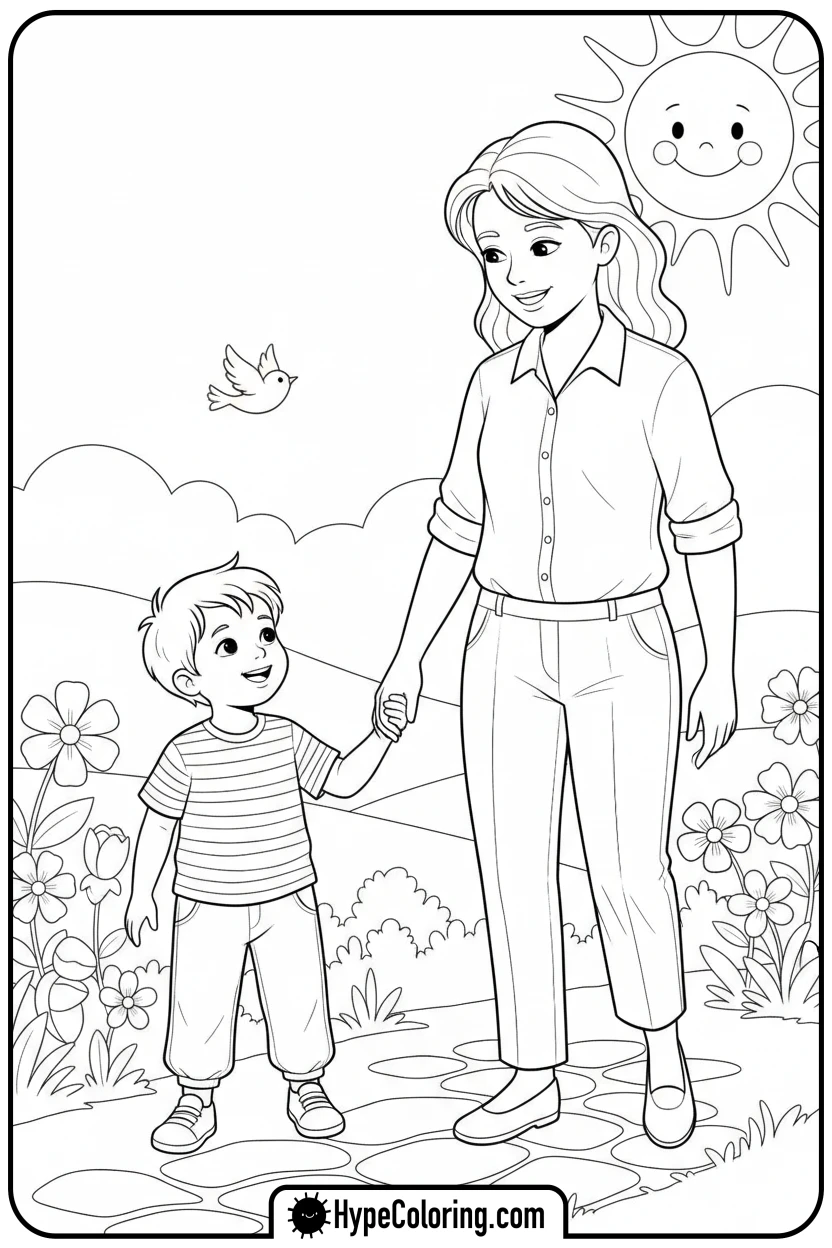
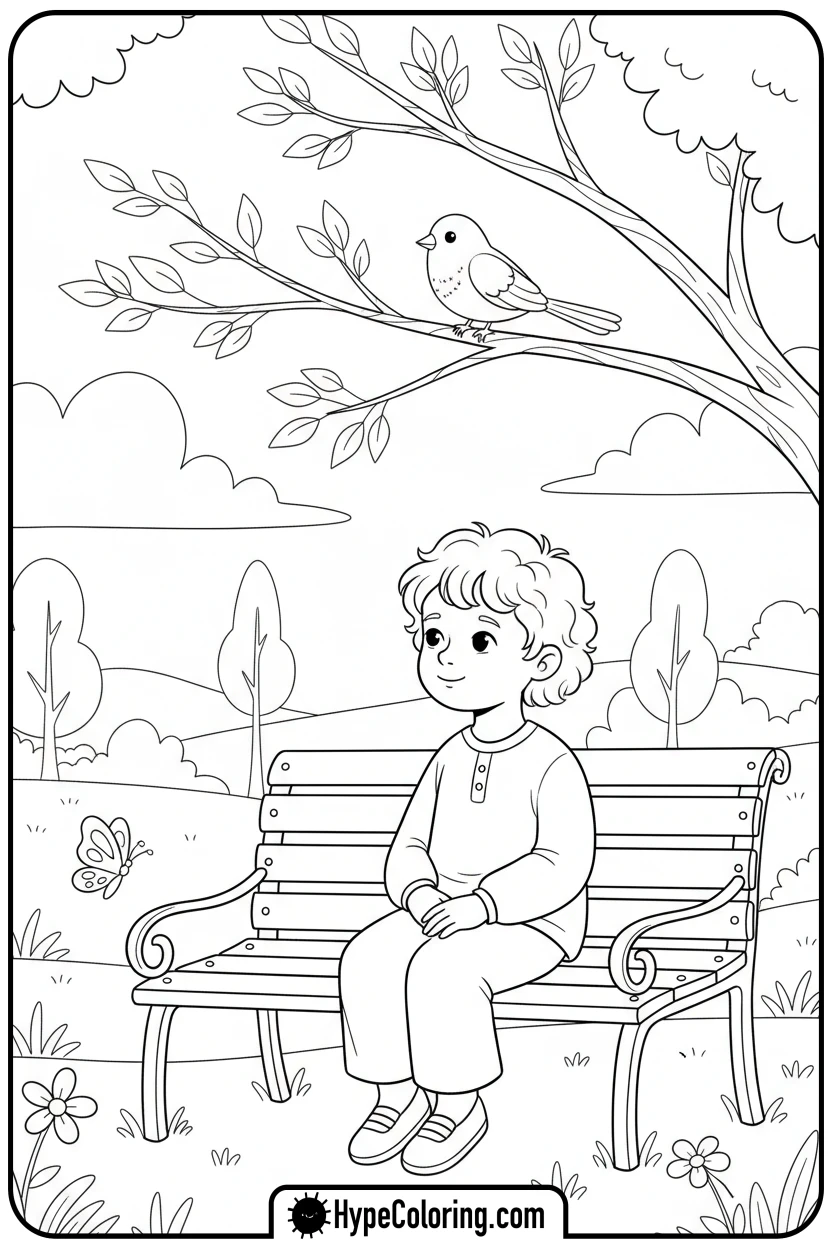
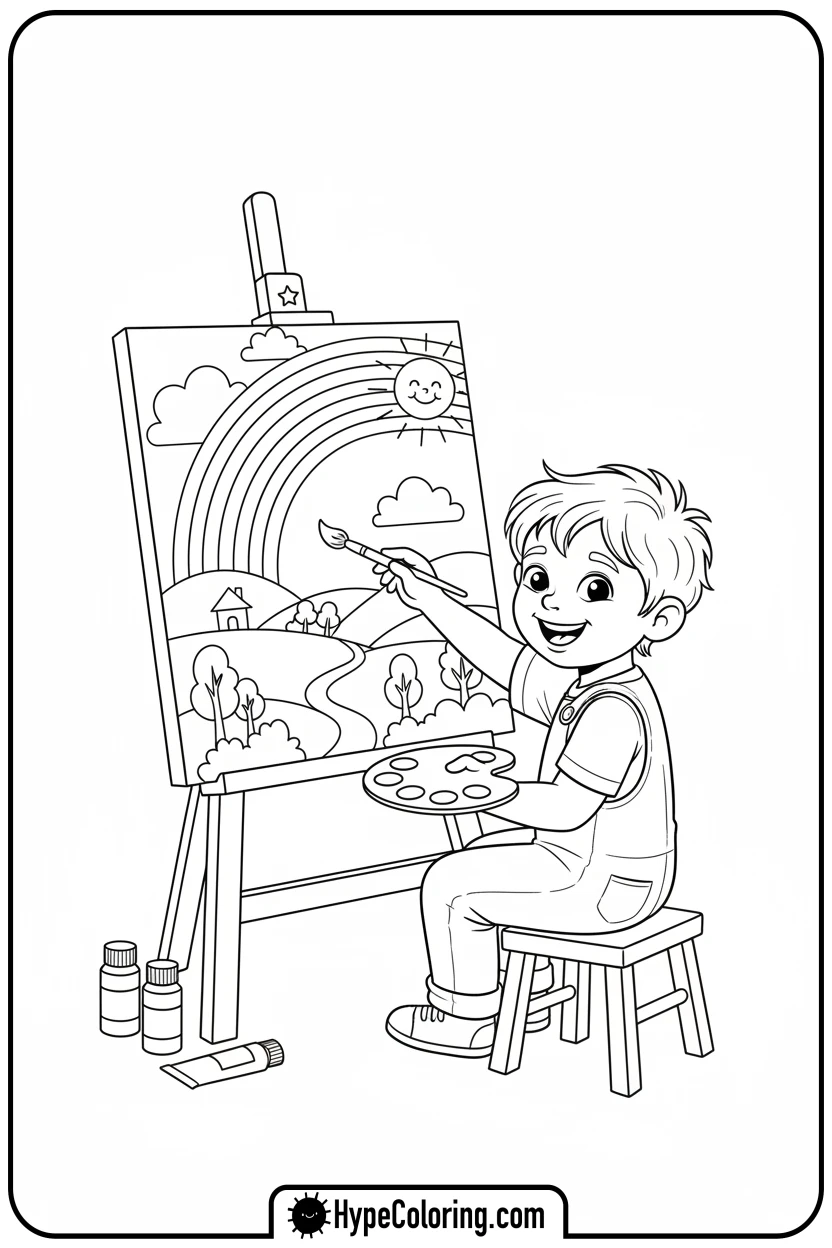
Table of Contents
Exploring Mental Health Coloring Pages Through Play and Reflection
Our collection groups these mental health coloring pages by the positive actions and emotions they represent, offering a variety of approaches to creative well-being. Each design is an opportunity for adult coloring pages enthusiasts and younger artists alike to connect with feelings of peace, joy, and resilience.
Moments of Inner Calm
Finding quiet moments for introspection is a cornerstone of mental well-being, and these detailed designs encourage just that. The child in design #1 is sitting cross-legged, eyes gently closed, surrounded by soft wavy lines. These lines can be colored in tranquil blues, soft greens, and gentle purples to represent peace and quiet calm. For the child,
use warm peach or light brown skin tones, a comfortable yellow or light blue shirt, and dark brown or black hair. With colored pencils, use light, circular strokes for the wavy lines, layering different shades of blue and green to create a serene, ethereal glow around the child. This particular image truly embodies the essence of mental health coloring pages, promoting serenity.
Design #9 features a child lying on their back in soft grass, gazing up at a clear night sky. The sky should be a deep indigo or midnight blue, dotted with bright yellow and white stars, and a gentle crescent moon in pale yellow or silver. The grass can be various shades of green, from lime to forest green. Use crayons for the sky to get a smooth, deep color,
then carefully add the stars and moon with a white or yellow crayon. This scene promotes a sense of wonder and connection to the vastness of nature, a common theme in mindfulness practices. You can learn more about the benefits of mindful observation in children by visiting resources like the Child Mind Institute.
Designs #6 and #19 further explore quiet reflection. In design #6, a child with oversized headphones sways to music, surrounded by floating musical notes. The headphones can be a vibrant color like teal or magenta, with the musical notes in contrasting shades like silver, gold, or even rainbow hues. The child’s clothing could be comfortable, in soft grays or pastel colors. With markers, use bold colors for the headphones and notes, then blend lighter shades for the child’s
clothes to create a sense of movement. Design #19 shows a child quietly observing a small bird on a park bench. The bench can be a weathered brown or grey, the bird a natural brown, blue, or red, and the tree branches a warm brown with green leaves. Use a fine-tipped marker or colored pencil for the bird’s delicate features, focusing on subtle shading to make it stand out against the bench.
Nurturing and Connection
These mental health coloring pages highlight the importance of caring for ourselves, others, and our environment. Design #2 depicts a child carefully watering a small, leafy potted plant on a windowsill. The pot can be terracotta orange or a cheerful ceramic blue. The plant’s leaves should be various vibrant greens, from light spring green to deeper emerald. The windowsill can be a light wood tone or clean white. For this detailed design, use fine-tipped colored pencils to carefully color each leaf, layering shades of green to give them depth and life. The act of nurturing a plant can be incredibly therapeutic, mirroring personal growth.
In design #3, two children happily share an apple under a big, friendly-looking tree. The apple should be a crisp red or green, and the tree a warm brown with lush green leaves, perhaps with a few yellow or orange leaves for variety. The children’s clothes can be bright and cheerful, reflecting their smiles. Use crayons for the broad strokes of the tree and grass, then switch to colored pencils for the details of the children’s faces and the apple, ensuring their expressions of joy are clear. These free printable pages emphasize the joy of connection.
Design #10 illustrates a child extending a hand to help another child pick up scattered colorful crayons. This scene can feature a vibrant array of crayon colors – reds, blues, yellows, greens – scattered on the floor, which could be a light wood or carpeted texture. The children’s clothes can be in complementary colors, showing their cooperative spirit. For this image, markers work well for the individual crayons, making each color pop. For the children’s skin and clothes, use colored pencils for softer blending, highlighting the warmth of their interaction. This collection of mental health coloring pages often focuses on positive social interactions.
Design #18 shows a child holding hands with a larger, kind-looking adult figure, walking together with a sense of security. The adult could be a parent or teacher, wearing practical yet comforting clothes in muted tones like blues, grays, or greens. The child’s attire
can be brighter, reflecting their sense of safety and joy. The setting could be a park path, with soft green grass and perhaps a distant tree line. Use colored pencils to create gentle shading on the figures, conveying depth and the comforting warmth of their connection. The blend of soft and bright colors in these grown-up coloring fun designs helps evoke a sense of peace.
Joyful Expression and Creativity
Unleashing creativity and expressing joy are vital components of a healthy mind, and these mental health coloring pages are perfect for that. Design #4 shows a child proudly holding up a drawing of a big, smiling sun and a vibrant rainbow on a piece of paper. The child’s drawing should burst with color: a brilliant yellow sun, a rainbow with distinct bands of red,
orange, yellow, green, blue, and purple. The child’s clothes can be cheerful and bright. Markers are fantastic for this page; use them to make the rainbow and sun pop with strong, clear colors, contrasting with the white paper the child holds.
In design #7, a child blows delicate bubbles into the air, watching them float away with focused wonder and joy. The bubbles themselves can be colored with iridescent pastels – hints of pink, blue, and yellow – to suggest their shimmering quality, perhaps with a touch of white for highlights. The child’s clothing could be light and airy, in soft blues or greens. With colored pencils, use very light pressure and blend multiple pastel shades for the bubbles to create a translucent effect. These printable coloring sheets capture pure, simple joy.
Designs #14, #15, and #20 amplify expressions of happiness. Design #14 features a child pointing to a “happy” face drawing next to them, clearly expressing their own joyful emotion with a big smile. The happy face drawing can be a simple yellow circle with black smile and eyes. The child’s face and clothes should reflect genuine happiness, using bright, warm colors.
Use markers to make the happy face drawing vibrant, then switch to colored pencils for the child’s expression to add depth and warmth. Design #15 shows a child joyfully skipping through a field of wildflowers. The wildflowers can be a riot of colors: reds, blues, purples, yellows, and oranges, against a backdrop of varying greens for the field. Use crayons to color the field and flowers, allowing for a loose, joyful application of color that mimics movement.
Design #20 depicts a child happily painting a vibrant rainbow arching across a simple landscape on a canvas. The painted rainbow should be brilliant and clear, with the landscape underneath (hills, trees) in soft greens and browns. The child’s clothes might have a
few paint splatters, adding to the authenticity. For this mental health coloring pages design, use watercolors if you’re feeling adventurous, or bright markers, to capture the fluidity and vividness of paint. The act of creating art is a powerful form of self-expression and emotional regulation, a concept explored by organizations like the National Alliance on Mental Illness (NAMI).
Building Focus and Resilience
These detailed designs focus on concentration, bravery, and self-affirmation, offering powerful messages through creative expression. Design #8 shows a child carefully stacking colorful, oversized blocks to build a tall, stable tower. Each block can be a different primary color – red, blue, yellow, green – or a mix of vibrant shades. The floor could be a neutral tone to make the blocks stand out. Use markers for the blocks to achieve crisp, solid colors, emphasizing the structure and stability of the tower. This activity promotes focus and patience, key elements for cognitive well-being.
Design #11 features a child standing with arms outstretched, taking a big, deep breath, with a visual of a gentle wave flowing in and out of their chest. The wave can be depicted with soft blues and whites, symbolizing calm and the rhythm of breathing. The child’s clothes should be comfortable and loose-fitting, in soothing colors like light blue or green. Use colored pencils to create a gentle gradient for the wave, blending the blues and whites smoothly to evoke a sense of fluidity and peace. This is an excellent visual for practicing mindful breathing, a core technique in stress relief.
Design #12 shows a child standing tall in a superhero cape and a small smile, fists gently clenched, ready for a brave adventure. The cape can be a bold color like red or blue, with a bright emblem (like a star or lightning bolt) in yellow. The child’s suit can be simple, in a complementary color like green or purple. Use vibrant markers for the cape and emblem, making them stand out. For the child’s face and suit, use colored pencils to add subtle shading, giving them a determined yet kind expression. This image encourages feelings of bravery and self-efficacy.
Designs #13, #5, and #17 further explore comfort and self-affirmation. Design #13 shows a child snuggled under a soft blanket on a cozy couch, reading an open book with a steaming mug nearby. The blanket can be a warm, fuzzy texture in soft pastels or comforting earth tones. The couch can be a rich brown or deep blue, and the mug could be a steaming white or patterned ceramic. Use crayons for the blanket to create a soft, textured feel, and colored pencils for the book and mug details. This free printable highlights self-care and quiet comfort.
In design #5, a child hugs a large, fluffy teddy bear close to their chest, a look of contentment and comfort on their face. The teddy bear can be classic brown, but also soft pink, blue, or cream, to emphasize its comforting nature. The child’s pajamas or comfortable clothes should be in gentle, soothing colors. Use colored pencils to give the teddy bear a fluffy texture, with light, feathery strokes, and use soft shading on the child’s face to convey their contentment.
These printable coloring sheets capture the essence of emotional security. Design #17 depicts a child looking into a mirror, giving their reflection a cheerful thumbs-up gesture, showing self-affirmation. The mirror frame can be ornate or simple, in a metallic or wooden tone. The child’s reflection should be a mirror image, and their clothes can be bright and confident. Use markers for the overall image, ensuring the thumbs-up is prominent and positive.
Creative Activities with Your Mental Health Coloring Pages
Once you’ve enjoyed coloring these designs, the fun doesn’t have to stop! These finished mental health coloring pages can become tools for further self-reflection and positivity.
- Create a “My Happy Moments” Journal: Cut out your favorite colored pages and paste them into a blank journal. For each image, write a few sentences about what the scene means to you, how it makes you feel, or a positive affirmation related to the image. For example, for the child watering a plant, you might write, “I am growing stronger every day,” or for the child taking a deep breath, “I choose calm.” This integrates your creative expression with journaling, reinforcing positive thoughts.
- Affirmation Art Display: Select several of your most inspiring colored mental health coloring pages. Mount them on cardstock and add a handwritten positive affirmation directly onto the page or on a separate strip of paper glued below. Create a small gallery on your wall, fridge, or bulletin board. Seeing these visual reminders of peace, joy, and resilience can serve as a daily boost, especially when featuring the detailed designs from this collection.
These mental health coloring pages offer a wonderful way to engage in self-care and promote emotional well-being through the simple, yet profound, act of coloring. Enjoy your creative journey!